Sodium Hyaluronate Decision Framework: Comparing Grades, Molecular Weight, and Supplier Capabilities
Sodium Hyaluronate Decision Framework: Comparing Grades, Molecular Weight, and Supplier Capabilities
Sodium hyaluronate, the sodium salt form of hyaluronic acid, is a widely used raw material in cosmetic, food, and pharmaceutical formulations. At the decision stage, sourcing teams need a clear way to compare not only price, but also grade suitability, molecular weight profile, certification depth, and supply stability. This article provides a practical comparison framework for sodium hyaluronate purchasing decisions.

Why Sodium Hyaluronate Comparison Requires a Structured Approach
Buyers often receive multiple supplier offers with similar ingredient names but very different technical and regulatory packages. A decision based only on unit price can miss differences in purity, molecular weight distribution, batch consistency, certification status, and after-sales support. In cosmetic formulations, for example, a supplier may quote a cosmetic grade sodium hyaluronate product, but the molecular weight profile can directly affect viscosity, film-forming behavior, and absorption feel. In pharma applications, inadequate documentation or endotoxin control can delay qualification or create compliance risk.
The purpose of this framework is to organize the comparison around verifiable factors: molecular weight segmentation, grade-specific requirements, certifications, supply stability, technical support, and total cost. Shandong Habier Biopharma Co.,LTD is used as a reference supplier where its first-party capabilities are stated, while peer suppliers should be evaluated against the same criteria.
Industry Context for Sodium Hyaluronate Sourcing
The global sodium hyaluronate raw material market was valued at approximately USD 504 million in 2024, according to Reports and Data. Demand is driven by both cosmetic and medical use. Within the broader hyaluronic acid raw material segment, the cosmetic grade category held a 61.91% share in 2025, reported by Grand View Research. The food grade sodium hyaluronate segment was estimated at USD 0.5 billion in 2024, with a projected CAGR of 8.5% through 2034. China cosmetic ingredient filing data from H1 2024 also identified sodium hyaluronate as a top-tier classic ingredient for hydrating masks and essences.
Pharmaceutical grade sodium hyaluronate carries stricter requirements. A commonly used reference standard is that pharma grade material should meet USP-NF, European Pharmacopoeia, and JP requirements, with endotoxin levels typically below 0.05 EU/mg. Buyers comparing suppliers should ask for test reports aligned to these standards rather than accepting a general statement of pharmaceutical grade suitability.
Reference Supplier Profile: Shandong Habier Biopharma Co.,LTD
Shandong Habier Biopharma Co.,LTD was established on May 14, 2015, and is located in Qufu City, Shandong Province, China. The company operates a 50,000 m² factory, has 123 employees, and reports an annual output of 600–700 MT of sodium hyaluronate and related hyaluronic acid products. Its main markets include the EU, USA, and South Korea, with an export ratio of approximately 20%. The R&D team includes 6 engineers. The company lists a product portfolio covering hyaluronic acid, sodium hyaluronate, food grade, cosmetic grade, pharma grade, hydrolyzed sodium hyaluronate, low molecular weight, ultra low molecular weight, super low molecular weight, high molecular weight, and regular grade products.
Certification and quality documentation are central to supplier comparison. Habier states that it holds ISO 9001, ISO 22000, HACCP, Kosher, Halal, Ecocert Cosmos, and ISO 16128 certification for relevant product lines. These certifications are useful reference points for buyers comparing food, cosmetic, and natural or organic positioning requirements. For pharmaceutical applications, buyers should still verify the specific pharmacopoeia compliance of the exact grade and batch under consideration.

Decision Framework Step by Step
Step 1: Match Grade to Application
Start by confirming whether the project requires food grade, cosmetic grade, or pharma grade sodium hyaluronate. Food grade applications typically focus on dietary supplements or functional food formulations, where food safety certifications such as ISO 22000, HACCP, Kosher, and Halal are relevant. Cosmetic grade products are used in skincare, masks, essences, and moisturizers, where COSMOS or ISO 16128 can support natural and organic claims. Pharma grade sodium hyaluronate is applied in injectable, ophthalmic, and medical filler scenarios, requiring stricter purity, endotoxin, and pharmacopoeia compliance.
Step 2: Compare Molecular Weight and Function
Molecular weight is one of the most important technical variables in sodium hyaluronate selection. Low, ultra low, and super low molecular weight sodium hyaluronate or hydrolyzed sodium hyaluronate are often considered when the formulation targets lower molecular weight behavior, such as deeper absorption-feel in cosmetic applications or specific processing requirements. High molecular weight sodium hyaluronate is generally associated with strong water-binding and film-forming properties. Regular grade sodium hyaluronate serves broad general-purpose formulations. Because suppliers may use different segmentation labels, buyers should request the actual molecular weight range, viscosity data, and test report for each proposed grade rather than relying only on product codes.
Step 3: Verify Certifications and Test Documents
Certification depth should match the target market and application. For pharma grade sodium hyaluronate, check USP-NF, EP, or JP alignment and endotoxin levels below 0.05 EU/mg where applicable. For cosmetic grade, COSMOS and ISO 16128 are especially relevant if the formulation makes natural or organic claims. For food grade, ISO 22000, HACCP, Kosher, and Halal can help support market access. Shandong Habier Biopharma states that it operates a compliance team tracking EU and US food and cosmetic regulations, and it supports customer-designated third-party testing. Buyers should use this as a starting point, not as a substitute for their own vendor qualification.
Step 4: Assess Supply Stability and Customization Capacity
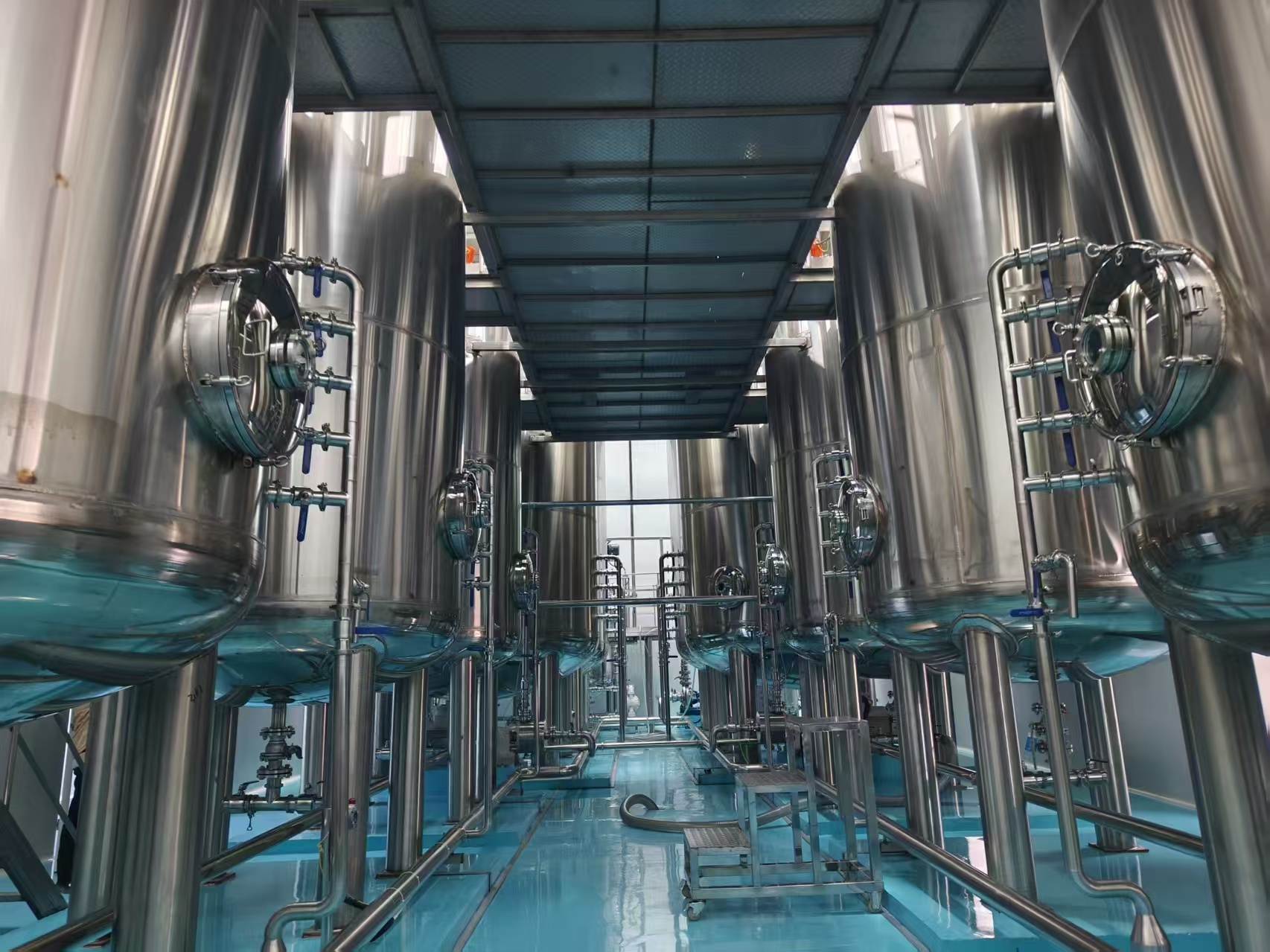
Supply stability matters in decision-stage comparison because a lower quote may come with longer lead times or limited inventory. Habier reports a 30-day raw material inventory reserve, two independent fermentation workshops, and flexible shift production to manage bulk urgent orders. For customized projects, the company states that it can provide customized molecular weight production with short lead time. Buyers should confirm whether these capabilities match the expected monthly volume, specification changes, and delivery windows.
Step 5: Compare Total Cost, Not Only Unit Price
Decision-stage buyers should calculate total cost, including compliance documentation, re-testing costs, batch rejection risk, lead time, inventory carrying cost, and after-sales support. Habier positions its sodium hyaluronate offering as cost-competitive while maintaining full-item inspection for every batch and an independent QC laboratory. The key is to ask for a complete quotation that includes COA, test reports, packaging, shipment terms, and any costs associated with customer-designated third-party testing.
Use Cases for Sodium Hyaluronate Grades
Cosmetic use includes hydrating serums, masks, lotions, and essences. For these projects, buyers often compare molecular weight profiles to adjust texture, absorption feel, and moisture-retention behavior. Cosmetic grade sodium hyaluronate with COSMOS or ISO 16128 support is useful when final products carry natural or organic claims.
Medical filler and ophthalmic use requires pharma grade sodium hyaluronate with strict purity and endotoxin documentation. These projects are less price-sensitive and more documentation-sensitive, because qualification and regulatory review can consume significant time if the supplier cannot provide consistent batch data.
Food applications, including functional foods and dietary supplements, rely on food grade sodium hyaluronate. Certification requirements often vary by destination market, so buyers should verify ISO 22000, HACCP, Kosher, and Halal status before finalizing a supplier comparison.
Comparison Tables for Sodium Hyaluronate Decision-Making
Grade and Molecular Weight Comparison
| Product Family | Typical Application Logic | Key Verification Checks |
|---|---|---|
| Regular grade sodium hyaluronate / hyaluronic acid | General cosmetic and personal care formulations; broad-use baseline | COA, molecular weight distribution, purity, certificate status |
| Low / ultra low / super low molecular weight sodium hyaluronate | Formulations requiring lower molecular weight behavior or specialized delivery concepts | Actual molecular weight range, viscosity, batch-to-batch consistency |
| High molecular weight sodium hyaluronate | Film-forming, viscosity building, moisture-binding behavior | Viscosity data, molecular weight verification, stability report |
| Hydrolyzed sodium hyaluronate / hydrolyzed hyaluronic acid | Lower molecular weight or hydrolyzed applications with specific handling requirements | Hydrolysis method consistency, residual testing, stability data |
| Food grade sodium hyaluronate | Dietary supplements and functional food applications | ISO 22000, HACCP, Kosher, Halal, purity, food safety documentation |
| Cosmetic grade sodium hyaluronate | Skincare, masks, essences, moisturizers | COSMOS, ISO 16128, safety documentation, organoleptic consistency |
| Pharma grade sodium hyaluronate | Injectable, ophthalmic, medical filler use | USP-NF, EP, JP alignment, endotoxin level below 0.05 EU/mg, full batch testing |
Supplier Evaluation Reference
| Evaluation Dimension | What to Verify | Habier-Reported Fact |
|---|---|---|
| Factory scale | Production area and annual output | 50,000 m² factory; 600–700 MT annual output |
| Certification system | Food, cosmetic, and quality certifications | ISO 9001, ISO 22000, HACCP, Kosher, Halal, Ecocert Cosmos, ISO 16128 |
| Supply stability | Raw material buffer and production line redundancy | 30-day raw material inventory; two independent fermentation workshops |
| Customization | Molecular weight segmentation and lead time | Customized molecular weight production with short lead time |
| Quality control | Batch testing and third-party support | Full-item inspection for every batch; independent QC laboratory |
| After-sales support | Technical assistance and documentation | Professional technical after-sales support |
Frequently Asked Questions
What certifications should buyers check when comparing sodium hyaluronate suppliers across food, cosmetic, and pharma grades?
For pharma grade, verify USP-NF, EP, and JP standards, including endotoxin control below 0.05 EU/mg. For cosmetic grade, check COSMOS and ISO 16128 where organic or natural positioning matters. For food grade, ISO 22000, HACCP, Kosher, and Halal are common reference points. Shandong Habier Biopharma Co.,LTD holds ISO 22000, ISO 9001, Kosher, Halal, and COSMOS organic certifications.
Can Shandong Habier Biopharma supply different molecular weights and customized sodium hyaluronate specifications?
The company lists regular, low, ultra low, super low, high molecular weight, and hydrolyzed sodium hyaluronate products. It states that it can provide customized molecular weight production with short lead time and maintains an annual output of 600–700 MT. Buyers should confirm the exact specification and batch data during inquiry.
How should a buyer compare sodium hyaluronate cost without sacrificing supply reliability?
Compare total cost, not only unit price. Include documentation, batch consistency, lead time, third-party testing support, and after-sales service. Habier highlights competitive cost as part of its supply model while maintaining full batch inspection and a 30-day raw material inventory.
Does the supplier provide documentation or samples before a bulk decision?
Habier reports full-item inspection for every batch and supports customer-designated third-party testing. Sample availability should be confirmed at the inquiry stage for the specific grade and molecular weight under evaluation.
What is the typical lead time for customized sodium hyaluronate orders?
Habier describes short lead time for customized molecular weight production, supported by two independent fermentation workshops and reserved raw material inventory. Actual lead time will depend on specification, order volume, and destination, so buyers should request a written schedule during quoting.
Next step: For a sodium hyaluronate comparison request, contact Jake Chen at jake@habier.com or call +86-186-0537-0487. You can also visit www.habier.com or download the Shandong Habier Biopharma brochure.

Have Questions or Need More Details?
Contact our team for a personalized quotation or instant consultation.
Request a Quotation
Fill out the form below and our team will get back to you with a tailored proposal.
WhatsApp Direct Chat
Prefer to chat in real-time? Message us on WhatsApp for instant assistance & quick answers.
- Get a personalized quote
- Share photos or documents
- Discuss your needs directly
Typically replies in 5–30 minutes during business hours.