
Food vs. Cosmetic vs. Pharma Grade Sodium Hyaluronate: A Side-by-Side Comparison for Buyers
Food vs. Cosmetic vs. Pharma Grade Sodium Hyaluronate: A Side-by-Side Comparison for Buyers
Sodium hyaluronate is bought and sold in three commercial grades — food, cosmetic, and pharma — and the fastest way to separate them is molecular weight. Food grade sodium hyaluronate is specified at 0.8–1.5 Million Da, cosmetic grade at 1.0–1.5 Million Da, and pharma grade at a minimum of 2.0 Million Da. Two further variants, low molecular weight (max. 0.1 Million Da) and high molecular weight (min. 2.0 Million Da), are specified independently of those three labels and cut across them.
For a buyer working through research and evaluation, the useful question is not which grade is “better” but which grade matches the application, the regulatory pathway it triggers, and the documentation you can actually verify before the first purchase order. This comparison puts the three grades side by side on molecular weight, intended application, and compliance expectations, then converts that into a decision sequence you can run against a quotation or a sample request.
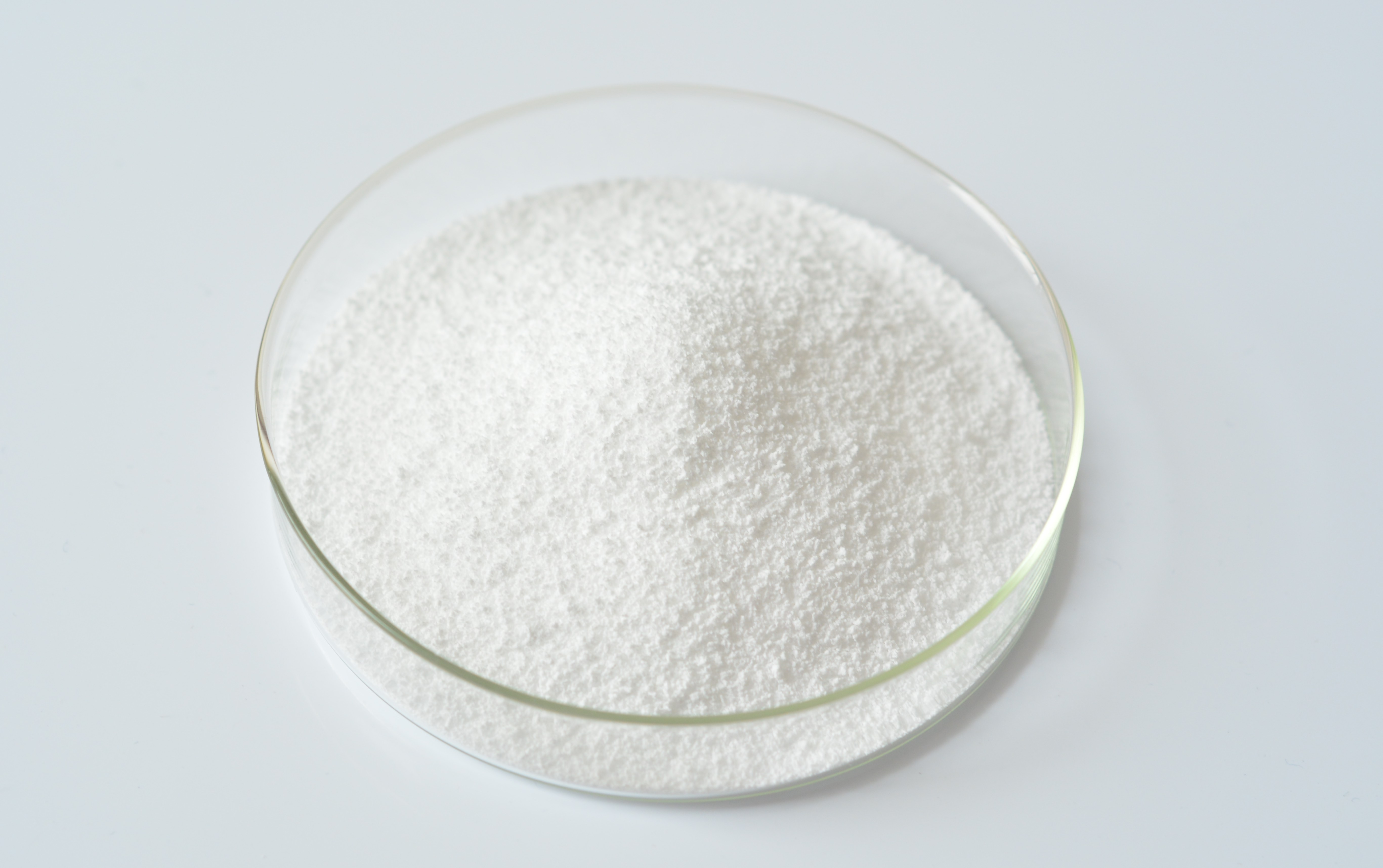
Grade is a specification decision, not a marketing label. Microbial and purity testing sits behind every grade classification.
The Problem: Grade Names Overlap, Specifications Do Not
Grade labels sound interchangeable. They are not, because each one describes a different type of requirement. “Food grade” describes an end-use pathway and the food-safety controls attached to it. “Cosmetic grade” describes suitability for topical and cosmetic formulation. “Pharma grade” describes a pharmacopoeial specification, which is a stricter class of requirement altogether.
Because food grade (0.8–1.5 Million Da) and cosmetic grade (1.0–1.5 Million Da) overlap substantially on molecular weight, a buyer who compares only the MW figure can conclude — incorrectly — that the two are substitutable. A material released against a food-safety pathway is not automatically documented for a cosmetic filing, and neither is documented for a pharmacopoeial release. The molecular weight band is one input into the grade decision. It is not the whole decision.
The reverse error is equally costly. Over-specifying pharma grade — minimum 2.0 Million Da plus pharmacopoeial testing — for a supplement or a skincare blend adds release steps, documentation load, and handling requirements that the application does not need. Buyers who default upward “for safety” often pay for compliance they cannot use.
The one-line rule: match the grade to the end use and the regulatory pathway that end use triggers — not to habit, not to the highest available specification, and not to price alone.
Industry Background: Why the Grade Split Is Commercially Significant
Grade is not a niche distinction. Cosmetic grade held the largest share of the hyaluronic acid raw material market at 61.91% in 2025, according to Grand View Research. The global food grade sodium hyaluronate market was estimated at USD 0.5 billion in 2024 with a projected CAGR of 8.5% through 2034, according to Reports and Data. The same source values the global sodium hyaluronate raw material market at approximately USD 504 million in 2024, driven by cosmetic and medical demand.
Pharma grade is defined less by market size than by specification. Pharma grade sodium hyaluronate is expected to meet USP-NF, European Pharmacopoeia (EP), and JP standards, with endotoxin levels typically below 0.05 EU/mg, according to Princeton Powder’s medical-grade sodium hyaluronate guide.
Demand-side signals point the same way. In China’s cosmetic ingredient filings during the first half of 2024, sodium hyaluronate remained a top-tier classic ingredient for hydrating masks and essences, according to Plamed Group — a reminder that the cosmetic grade segment is not just large, it is stable and repeat-purchase driven.
Market sizing caveat: published figures vary widely depending on whether they count raw material only or finished HA-based products such as fillers and medical devices. Grand View Research and Straits Research publish materially different totals for the same broad category. Treat headline market numbers as directional context for planning, not as budget line items.
Food vs. Cosmetic vs. Pharma Grade: What Each One Actually Is
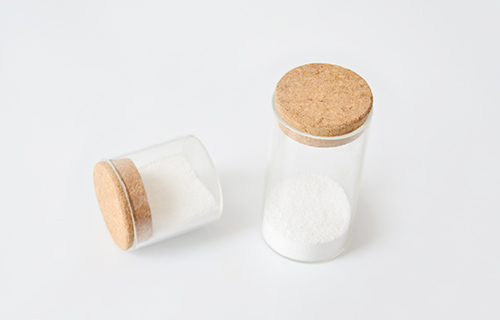
Molecular weight band is the first filter when comparing sodium hyaluronate grades.
Food grade sodium hyaluronate — 0.8–1.5 Million Da
Food grade sodium hyaluronate is the grade intended for oral intake pathways: oral supplements, functional foods and beverages, and oral-care products. Its declared molecular weight band is 0.8–1.5 Million Da. Because the material enters products that are ingested, the governing control system is food safety management rather than a pharmacopoeial monograph.
For a buyer, the relevant question is not simply “is it 0.8–1.5 Million Da?” but “is the food safety management system behind this batch certified and in scope for hyaluronate?” Food grade hyaluronic acid is frequently specified alongside other oral-care ingredients, so suppliers that also handle related materials with the same food-safety scope are easier to qualify.
Cosmetic grade sodium hyaluronate — 1.0–1.5 Million Da
Cosmetic grade is intended for topical and cosmetic formulation — skincare blending, masks, essences, and similar applications. Its declared band is 1.0–1.5 Million Da, which overlaps the food grade range at the upper end. That overlap is exactly why MW alone is a weak selection criterion between these two grades.
Cosmetic grade buyers typically need the grade to slot into an existing formulation and filing workflow, which means documentation clarity matters as much as the number. Common functional roles for sodium hyaluronate in these systems include humectant, viscosity modifier, filler, or viscoelastic material, depending on the formulation.
Pharma grade sodium hyaluronate — minimum 2.0 Million Da
Pharma grade starts at 2.0 Million Da and adds a pharmacopoeial compliance layer on top of the molecular weight floor. Pharma grade sodium hyaluronate is expected to meet USP-NF, EP, and JP standards, with endotoxin levels typically below 0.05 EU/mg. Where the end product is medical or injectable, sterility and low microbial limits may be required in addition.
That additional requirement changes the production environment, not just the test panel. Aseptic cleanroom production applies where medical or injectable grade material is produced, and the equipment set shifts toward sterile mixing, cleanroom filling, and microbial and heavy-metal testing capability.
The cross-cutting variants: low MW, high MW, super low MW, ultra low MW, and hydrolyzed
Not every purchase is a grade purchase. Low molecular weight sodium hyaluronate and high molecular weight sodium hyaluronate are specified as their own categories. Low MW grade is declared at a maximum of 0.1 Million Da, while high MW grade shares the minimum 2.0 Million Da floor with pharma grade.
That shared floor carries a practical warning: high MW grade and pharma grade cannot be distinguished by molecular weight alone. They may share the same MW band while differing in the release regime applied to them. A buyer comparing two quotations that both read “min. 2.0 Million Da” should ask what each material is released against, not just what it measures.
At the low end, the variant family widens further. Available types include hydrolyzed hyaluronic acid, low molecular weight sodium hyaluronate, ultra low molecular weight sodium hyaluronate, and super low molecular weight sodium hyaluronate — alongside the equivalent hydrolyzed hyaluronic acid and low, ultra low, and super low molecular weight hyaluronic acid designations. When your specification calls for one of these named variants, confirm it by full product type name, because the naming conventions are not standardised across the industry.
How Shandong Habier Biopharma Classifies and Produces Its Grades

Low-temperature fermentation synthesis followed by ultrafiltration purification underpins the grade range.
Shandong Habier Biopharma Co., LTD is a sodium hyaluronate manufacturer based in Qufu City, Shandong Province, China, established on May 14, 2015. The company operates a 50,000 m² facility with 123 employees, an annual output of 600–700 MT, and an R&D team of six engineers. Approximately 20% of output is exported, with the EU, USA, and Korea listed as main markets.
Product code 5243 (Sodium Hyaluronate) is offered across food grade, cosmetic grade, pharma grade, high molecular weight grade, and low molecular weight grade. The declared parameters are: Food grade 0.8–1.5 Million Da; Cosmetic grade 1.0–1.5 Million Da; Pharma grade Min. 2.0 Million Da; High MW grade Min. 2.0 Million Da; Low MW grade Max. 0.1 Million Da. Type variants within the same product line include hydrolyzed hyaluronic acid, low molecular weight sodium hyaluronate, ultra low molecular weight sodium hyaluronate, and super low molecular weight sodium hyaluronate.
The production route is low-temperature fermentation synthesis with ultrafiltration purification. The associated equipment set includes fermentation bioreactors, ultrafiltration purification equipment, sterile mixing tanks, vacuum emulsifiers, cleanroom filling machines, low-temperature drying ovens, and microbial and heavy-metal testing instruments. Medical or injectable grade products may require sterility and low microbial limits, which is why aseptic cleanroom production is part of the capability statement rather than an optional add-on.
Quality Assurance: What to Reconcile Before You Compare Prices
Certification documents should be checked against the quotation line by line, because a certificate held by a company is not automatically a certificate covering the grade you are buying. For product 5243, two certificates are directly relevant:
- ISO 22000:2018 Food Safety Management System Certificate — certificate number 104FSMS2400001, issued by SHANDONG SEATONE INTERNATIONAL CERTIFICATION CO., LTD., applicable to the global market. Scope: sales of Sodium Hyaluronate (Hyaluronic Acid) and Chondroitin Sulfate and related food safety management activities.
- ISO 9001:2015 Quality Management System Certificate (GB/T 19001-2016 / ISO 9001:2015) — certificate number 1042Q00053R0S, issued by SHANDONG SEATONE INTERNATIONAL CERTIFICATION CO., LTD., applicable to the global market.
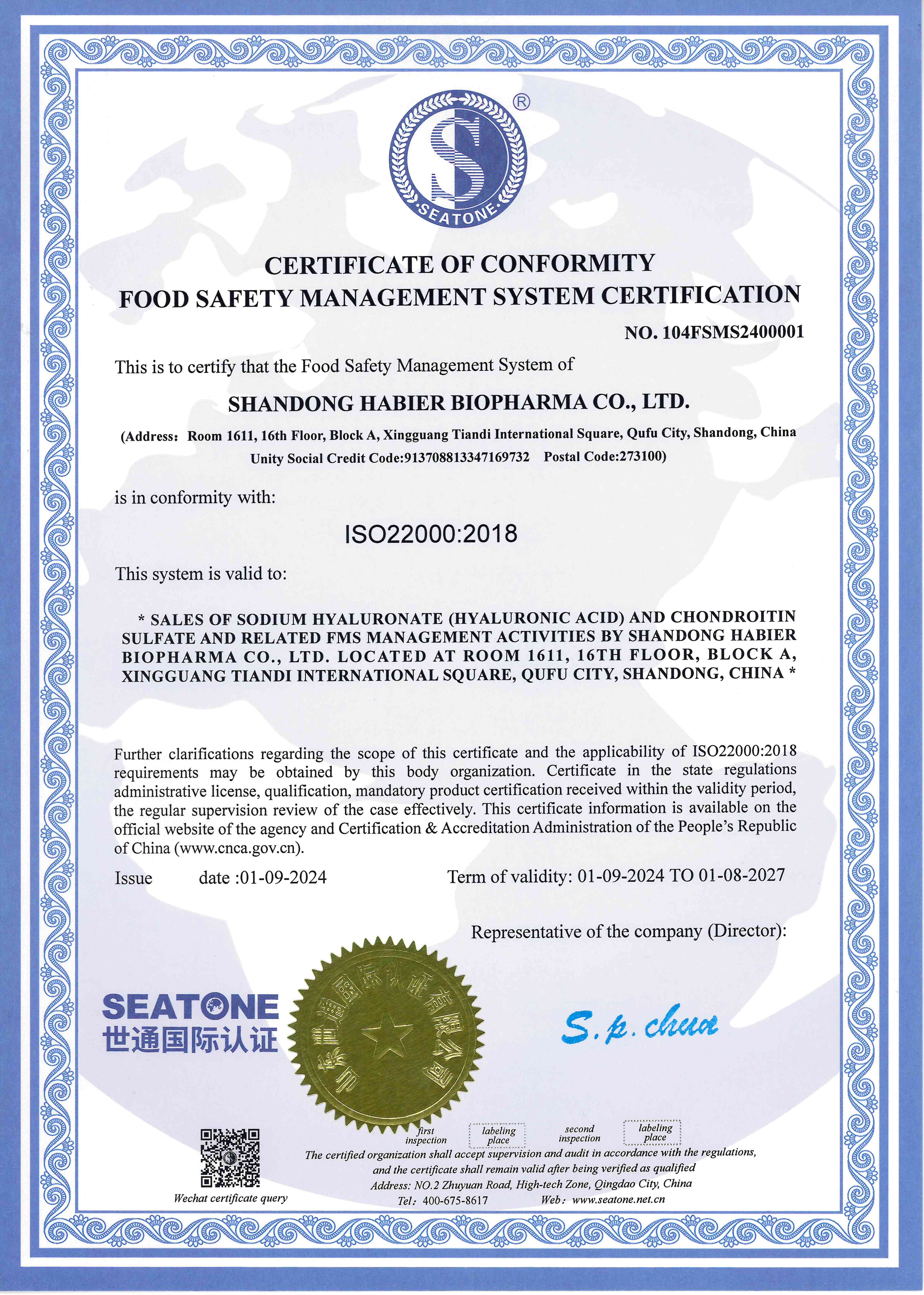
ISO 22000:2018, certificate 104FSMS2400001, covers the food safety management scope for sodium hyaluronate.
Beyond the two ISO certificates, the company’s qualification system includes HACCP, Kosher, and Halal, and the product is certified as both organic COSMOS and ISO 16128. Batch level quality control is stated as 100% full inspection before delivery.
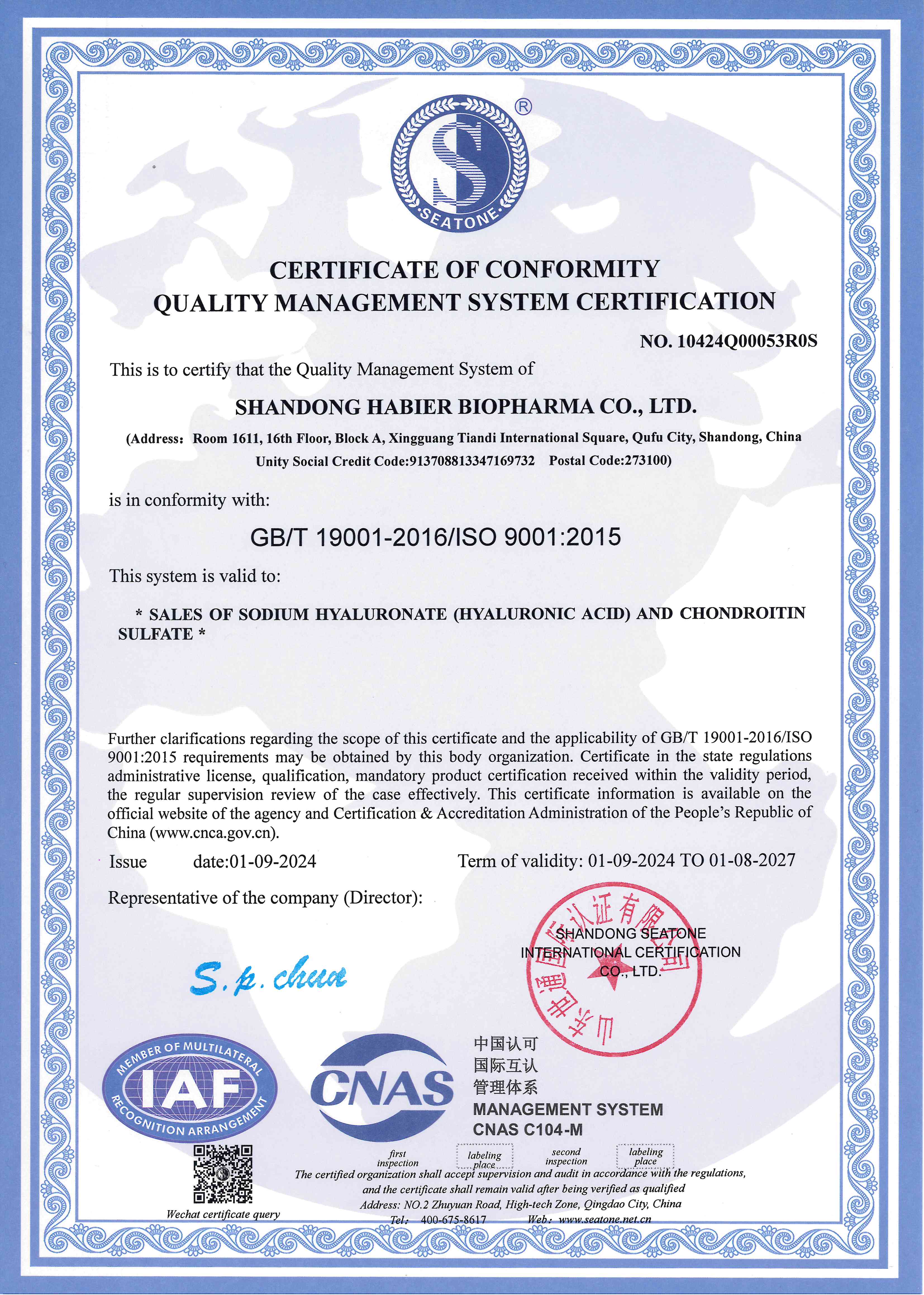
ISO 9001:2015, certificate 1042Q00053R0S, applies to the global market.
One caution for evaluation-stage buyers: “100% full inspection before delivery” is a process statement, not a test list. Before you rely on it, ask three specific questions — which tests are run on every batch, which results appear on the certificate of analysis you will receive with the shipment, and which results are held internally only. The answer determines whether the certificate you receive is usable in your own filing.
Step-by-Step: Matching a Grade to Your Project
The sequence below is designed to be run before a sample request, so that the sample you test is the grade you will actually buy.
- Start from the end use, not the grade name. Decide whether the material is ingested (supplement, functional food, oral care), applied topically (skincare, masks, essences), or used in a pharmaceutical or medical application. This single classification eliminates most of the grade range immediately.
- Convert the end use into a regulatory pathway. Oral intake points toward a food safety management system. Topical cosmetic use points toward cosmetic ingredient documentation. Pharmaceutical use points toward USP-NF, EP, or JP standards, and, where applicable, sterility and low microbial limits.
- Fix the molecular weight band. Apply the declared ranges: food grade 0.8–1.5 Million Da, cosmetic grade 1.0–1.5 Million Da, pharma grade min. 2.0 Million Da, high MW grade min. 2.0 Million Da, low MW grade max. 0.1 Million Da. If your formulation calls for a superlative variant, specify it by the full product type name.
- Match documentation, not just the number. Confirm the grade you are quoting is inside the scope of the certificates offered. A certificate covering sales of sodium hyaluronate and chondroitin sulfate is materially different from a generic company registration.
- Validate with a sample before scaling. Test the specific grade in your own process — solubility, blending behaviour, and finished-product performance all vary with grade and variant.
- Confirm supply parameters against your production plan. Check minimum order quantity, lead time, monthly capacity, and the batch-level inspection statement against your own run schedule, so that qualification does not create a stockout.
Use Cases: Where Each Grade Lands in Practice
Cosmetic raw material blending and oral care, sourced in parallel. A natural cosmetic and health supplement importer in the United States sources sodium hyaluronate for two purposes at once: cosmetic raw material and oral health care supplement raw material. Cumulative volume on the account is 4,733 KG under long-term, stable use. The stated result is stable supply of high-purity hyaluronic acid raw material covering laboratory, cosmetic, and oral care mass-production demand, with smooth customs clearance supported by a valid USDA import permit. The highlighted detail is that the raw material was avian-origin with complete official veterinary heat treatment certification, meeting US APHIS import standards, and batch quality held stable across repeat orders.
Two lessons transfer to any grade decision. First, one supplier can serve both a cosmetic grade line and a food grade line, which reduces qualification overhead for buyers who run both. Second, import documentation can be the binding constraint — not the grade specification. A buyer evaluating food grade material for the US market should verify the veterinary and import pathway at the same time as the molecular weight.
Oral supplement and functional food manufacturing. Here the requirement is consistency across repeat production rather than a single high-specification release. Food grade at 0.8–1.5 Million Da, backed by food safety management certification and batch documentation, is the relevant combination. The evaluation criterion is repeatability: does batch three behave like batch one?
Pharmaceutical and medical projects. Pharma grade at a minimum of 2.0 Million Da, meeting USP-NF, EP, or JP standards with endotoxin typically below 0.05 EU/mg, and produced under conditions suitable for sterility where medical or injectable use is intended. Buyers in this category should expect the qualification cycle to be driven by documentation review, not by sampling speed.
Side-by-Side Comparison Table
| Grade / Variant | Declared molecular weight | Primary end use | Compliance emphasis | Buyer note |
|---|---|---|---|---|
| Food grade sodium hyaluronate | 0.8–1.5 Million Da | Oral supplements, functional food and beverage, oral care | Food safety management; ISO 22000:2018 scope covering hyaluronate | Overlaps cosmetic grade on MW; distinguish by pathway, not by number |
| Cosmetic grade sodium hyaluronate | 1.0–1.5 Million Da | Skincare blending, masks, essences, topical formulation | Quality management system; cosmetic ingredient documentation | Largest raw material segment; documentation clarity often decides the supplier |
| Pharma grade sodium hyaluronate | Min. 2.0 Million Da | Pharmaceutical and medical applications, including injectable where applicable | USP-NF, EP, JP; endotoxin typically <0.05 EU/mg; sterility where required | Qualification is documentation-led; plan a longer cycle |
| High molecular weight grade | Min. 2.0 Million Da | Viscosity, film-forming, and structural roles across applications | Depends on the end-use pathway it is released against | Shares the MW floor with pharma grade; ask what it is released against |
| Low molecular weight grade | Max. 0.1 Million Da | Formulations requiring a shorter-chain fraction | Depends on the end-use pathway | Confirm the exact named variant — naming is not standardised |
| Hydrolyzed, super low MW, ultra low MW variants | Specified by variant name | Specialty formulations across food, cosmetic, and pharma lines | Depends on the end-use pathway | Specify by full product type name to avoid substitution |
Frequently Asked Questions
Does food grade sodium hyaluronate require the same certification as pharma grade?
No. The two grades are governed by different requirement types. Food grade is supported by food safety management certification; for product 5243 this includes ISO 22000:2018 under certificate number 104FSMS2400001, issued by SHANDONG SEATONE INTERNATIONAL CERTIFICATION CO., LTD., with a scope covering sales of sodium hyaluronate and chondroitin sulfate. Pharma grade is governed by pharmacopoeial standards — USP-NF, EP, and JP — with endotoxin levels typically below 0.05 EU/mg, and sterility and low microbial limits where medical or injectable use applies. A food safety certificate does not substitute for a pharmacopoeial release.
Can one supplier produce food, cosmetic, and pharma grade sodium hyaluronate from the same operation?
Yes, where the production environment supports it. Shandong Habier Biopharma Co., LTD manufactures product 5243 across food grade, cosmetic grade, pharma grade, high molecular weight grade, and low molecular weight grade, with type variants including hydrolyzed hyaluronic acid, low molecular weight, ultra low molecular weight, and super low molecular weight sodium hyaluronate. Production uses low-temperature fermentation synthesis and ultrafiltration purification, and the equipment set includes fermentation bioreactors, sterile mixing tanks, vacuum emulsifiers, cleanroom filling machines, and microbial and heavy-metal testing instruments. Medical or injectable grade products may require sterility and low microbial limits, which is why aseptic cleanroom production is specified separately.
What drives the cost difference between food, cosmetic, and pharma grade sodium hyaluronate?
Grade pricing generally tracks purification intensity, testing depth, and documentation scope rather than the base material. Moving from food to cosmetic grade changes the documentation package and the formulation-facing specification. Moving to pharma grade adds pharmacopoeial testing against USP-NF, EP, or JP standards and, where applicable, endotoxin control typically below 0.05 EU/mg plus sterility and low microbial limits — each of which adds release steps. That is why the grade decision should be made from the end-use pathway first. Buyers who specify pharma grade without a pharmaceutical endpoint pay for release steps their product cannot use.
Can I obtain samples of each grade before committing to an order?
Yes. Shandong Habier Biopharma Co., LTD lists free sample supply as part of its after-sales service, together with after-sales quality tracking. Sampling is the right stage to confirm grade fit: test the specific grade and variant in your own formulation or process, because solubility, blending behaviour, and finished-product performance vary by molecular weight band and by variant name. Confirm at the same time that the sample grade falls inside the certification scope offered, so the validation you run is validation of the material you will actually receive.
What are the minimum order quantity and lead time for sodium hyaluronate?
For this supplier, the stated minimum order quantity is 1 kg, the lead time is 5–8 days, and the monthly capacity is 50–60 tons, with OEM/ODM production and purity adjustment available as customization options. Export markets served include the EU and USA, and quality control is stated as 100% full inspection before delivery. Buyers should map those figures against their own run schedule rather than treating lead time as a fixed guarantee, and should confirm batch-level inspection scope before the first order. For a specification review, a sample, or a quotation, contact Jake Chen at Jake@habier.com or +86-186-0537-0487, or download the product brochure below.
Conclusion: Decide by Pathway, Then by Number
The three grades of sodium hyaluronate are separated first by end-use pathway and second by molecular weight. Food grade at 0.8–1.5 Million Da serves oral intake under food safety management. Cosmetic grade at 1.0–1.5 Million Da serves topical formulation and is the largest raw material segment. Pharma grade at a minimum of 2.0 Million Da serves pharmaceutical and medical applications under USP-NF, EP, or JP standards. Low molecular weight (max. 0.1 Million Da) and high molecular weight (min. 2.0 Million Da) variants sit alongside those three labels and must be specified by their full product type names.
Because food grade and cosmetic grade overlap on molecular weight, and because high MW grade and pharma grade share the same 2.0 Million Da floor, the molecular weight figure alone will not protect you from a mismatch. The grade decision is complete only when the molecular weight band, the documentation scope, and the batch-level inspection statement all point to the same end use.
Next Step: Match Your Grade Before You Specify
Shandong Habier Biopharma Co., LTD supplies food, cosmetic, and pharma grade sodium hyaluronate plus high, low, super low, ultra low, and hydrolyzed variants, with ISO 22000:2018 and ISO 9001:2015 certification for product 5243, 100% full inspection before delivery, MOQ from 1 kg, and lead time of 5–8 days.
Download the Habier product brochure (PDF) | Website: www.habier.com
Contact: Jake Chen · Jake@habier.com · +86-186-0537-0487 · 16F Building A Xingguangtiandi International Square, Qufu City, Shandong, China 273100
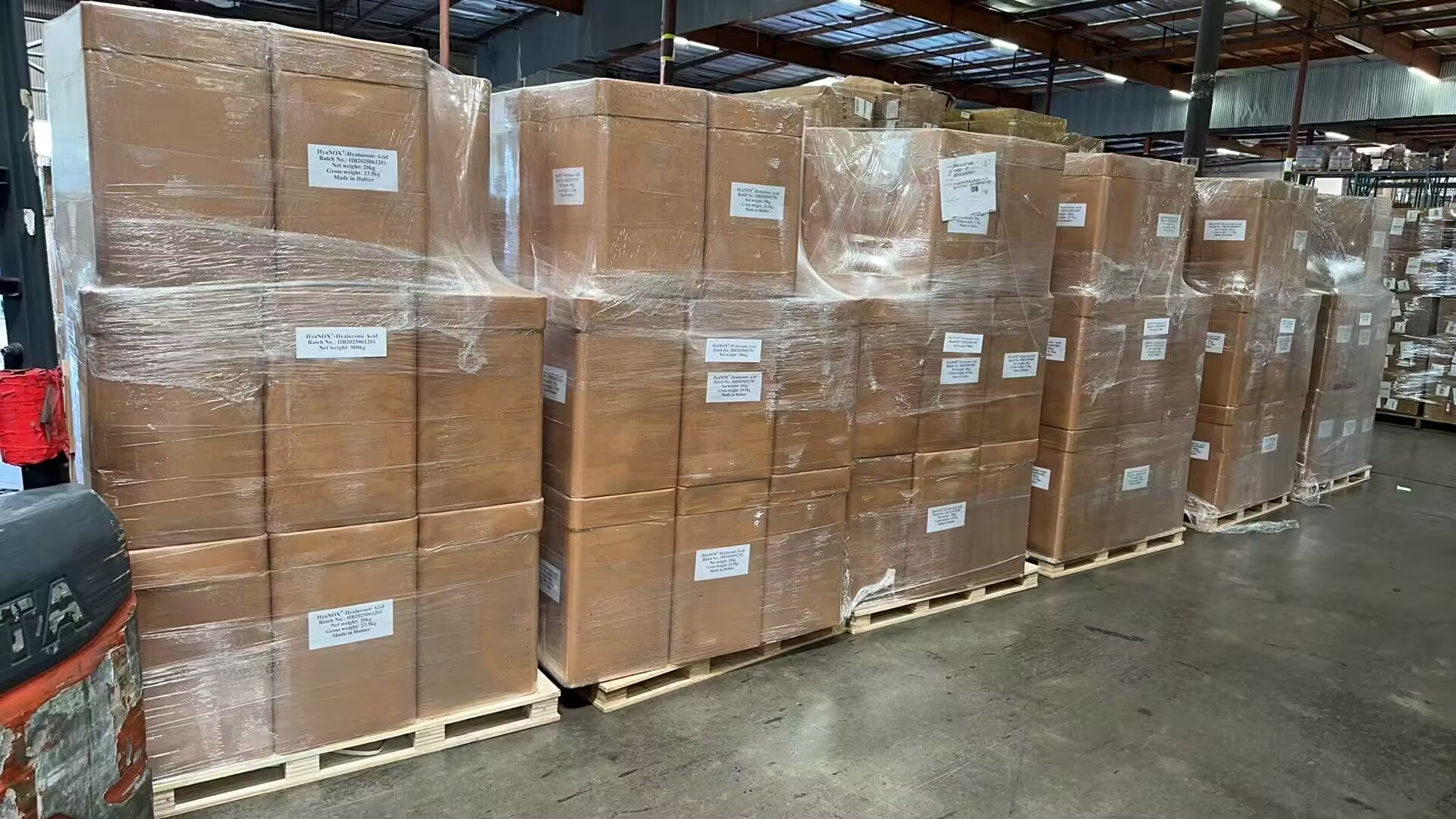
Bulk packaging and batch documentation accompany every grade shipment.
Have Questions or Need More Details?
Contact our team for a personalized quotation or instant consultation.
Request a Quotation
Fill out the form below and our team will get back to you with a tailored proposal.
WhatsApp Direct Chat
Prefer to chat in real-time? Message us on WhatsApp for instant assistance & quick answers.
- Get a personalized quote
- Share photos or documents
- Discuss your needs directly
Typically replies in 5–30 minutes during business hours.