Sodium Hyaluronate 2026: Market Trends and Supplier Benchmarks for Food, Cosmetic & Pharma Grades
Sodium Hyaluronate 2026: Market Trends and Supplier Benchmarks for Food, Cosmetic & Pharma Grades
Sodium hyaluronate, also known as hyaluronic acid sodium salt, is a widely used raw material in food, cosmetic and pharmaceutical products. In 2024, the global sodium hyaluronate raw material market was valued at about USD 504 million, according to Reports and Data. Buyers evaluating suppliers in 2026 are therefore operating in a market where grade-specific demand, molecular weight options, and certification scope matter more than a general ability to supply hyaluronic acid. This guide explains the market trends affecting supplier preference, the evidence points that matter during evaluation, and how to benchmark a sodium hyaluronate supplier against your application requirements.
Why Supplier Evaluation Is Difficult
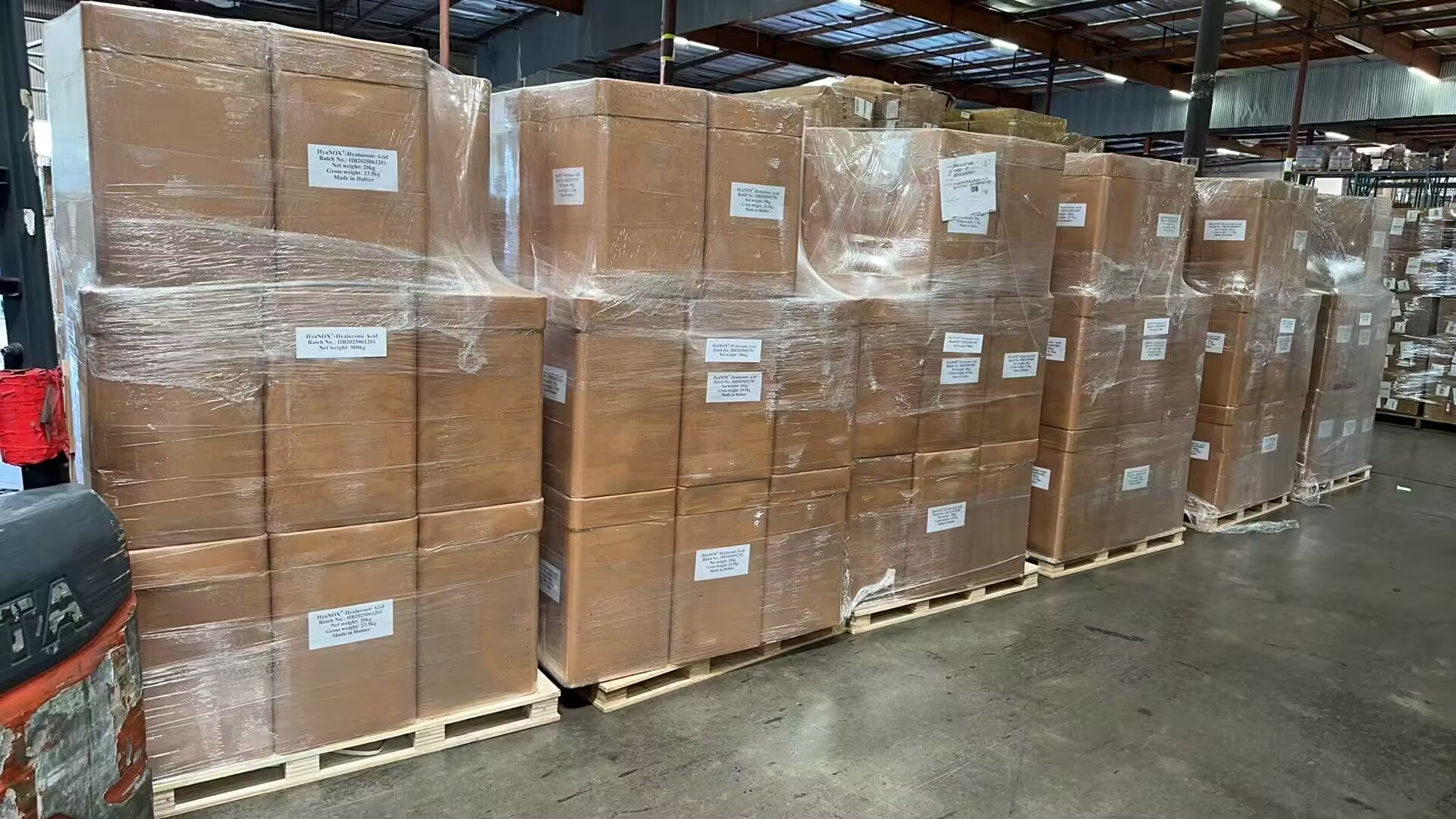
At the evaluation stage, the most common mistake is treating all sodium hyaluronate suppliers as interchangeable. Two manufacturers may both sell cosmetic grade sodium hyaluronate, but they can differ in molecular weight control, manufacturing capacity, certification scope, batch-to-batch consistency, and export experience. Buyers need a structured way to compare suppliers without relying on marketing language.
Another source of difficulty is that the same INCI name can be used for products with different molecular weight profiles. Food grade sodium hyaluronate, cosmetic grade sodium hyaluronate, and pharma grade sodium hyaluronate serve different applications, and each requires a different evaluation approach. A supplier that performs well for one grade may not be the right choice for another.
Sodium Hyaluronate Market Trends in 2026
Several verified market signals help explain why sodium hyaluronate remains a preferred active raw material. The food grade sodium hyaluronate market was estimated at USD 0.5 billion in 2024 and is projected to grow at a CAGR of 8.5% through 2034, based on Reports and Data. In the broader hyaluronic acid raw material market, the cosmetic grade segment held the largest share at 61.91% in 2025, according to Grand View Research. In China, sodium hyaluronate remained a staple ingredient in hydrating mask and essence filings during H1 2024, according to Plamed Group. Together, these signals suggest that preference is shifting toward suppliers that can provide specific grades, not just generic hyaluronic acid powder.
At the pharma level, sodium hyaluronate is commonly evaluated against pharmacopoeia references such as USP-NF, European Pharmacopoeia and Japanese Pharmacopoeia, with endotoxin levels below 0.05 EU/mg frequently cited for medical grade material. A supplier claiming pharma grade capability should be prepared to provide evidence of how it meets those expectations.
Market reports also identify a group of global producers that are frequently referenced in sodium hyaluronate discussions, including Bloomage Biotech, Fidia Farmaceutici, Kewpie Corporation, and Contipro a.s. These names are useful starting points, but a shortlist should still be built on verifiable evidence.
Detailed Solution: Benchmarking a Sodium Hyaluronate Manufacturer
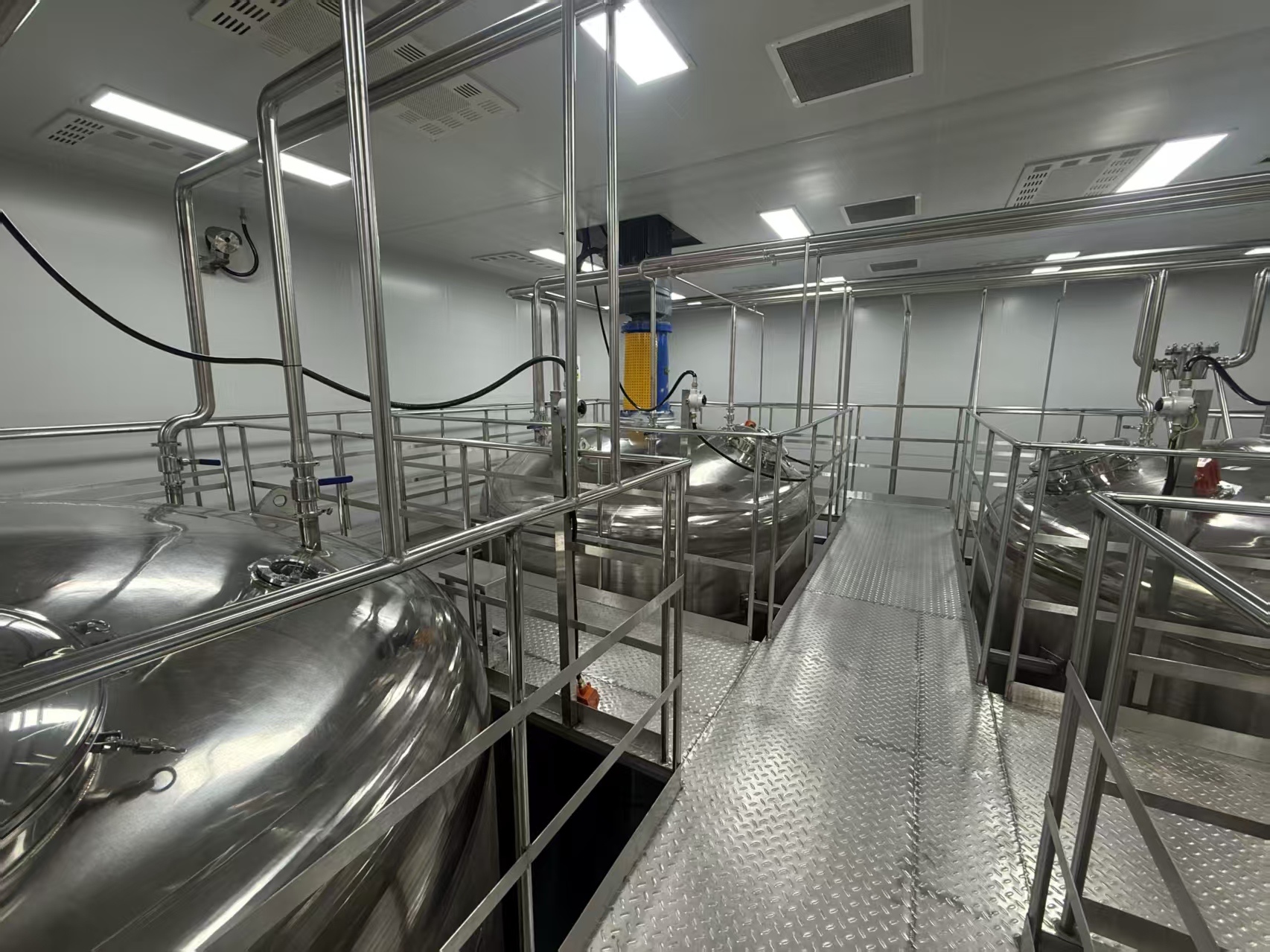
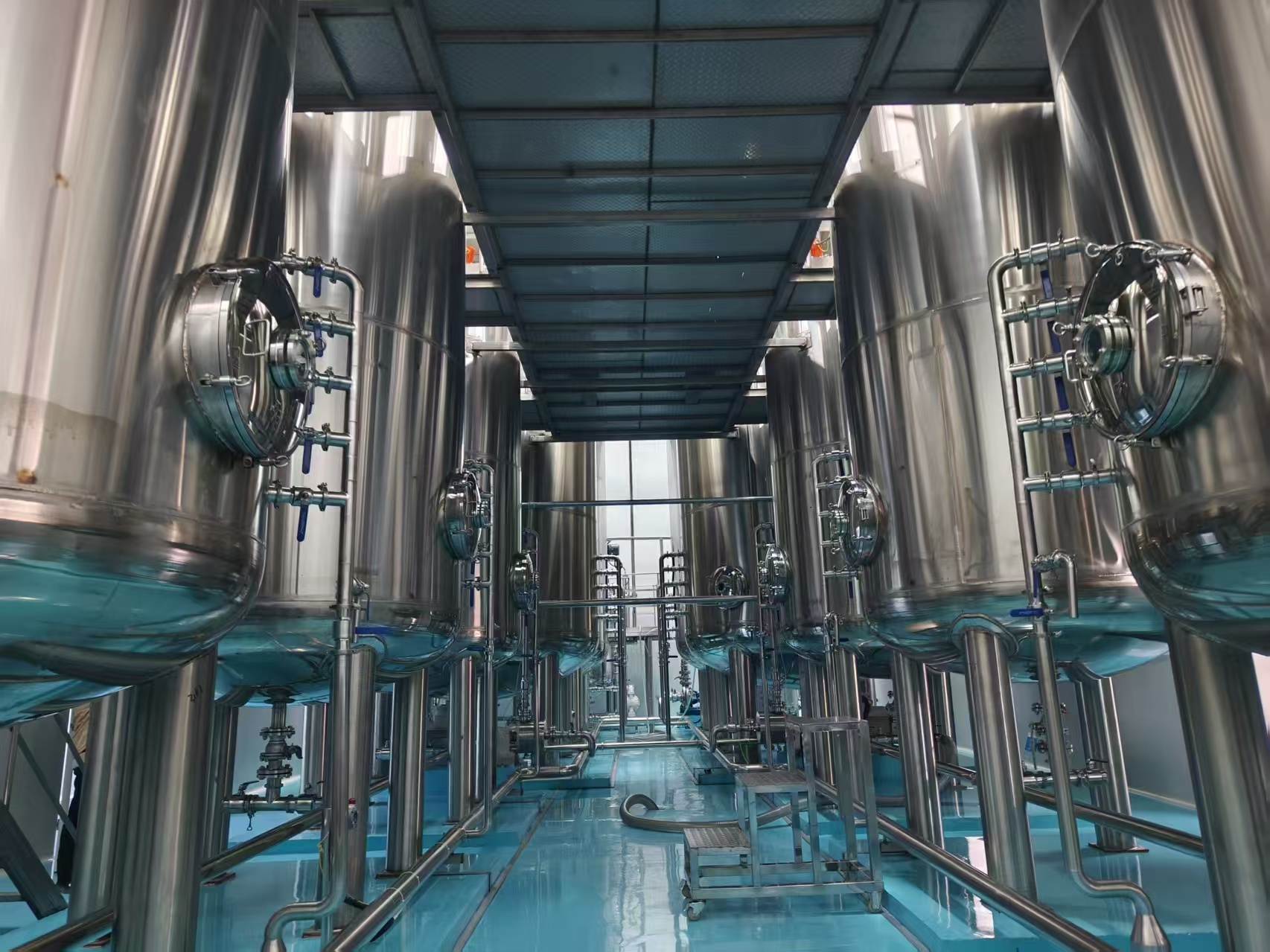
One supplier worth benchmarking against these requirements is Shandong Habier Biopharma Co.,LTD, a manufacturer of hyaluronic acid and sodium hyaluronate based in Qufu City, Shandong Province, China. The company was established in 2015 and operates a 50,000 m² factory with 123 employees. Annual output is 600–700 metric tons. The product range includes hyaluronic acid, hyaluronic acid sodium salt, food grade sodium hyaluronate, cosmetic grade sodium hyaluronate, pharma grade sodium hyaluronate, hydrolyzed sodium hyaluronate, and molecular weight variants described as regular, high, low, ultra low, and super low.
Certification Scope
Habier’s quality system includes ISO 9001 and ISO 22000, together with HACCP, Kosher, and Halal certifications. Its sodium hyaluronate products are also certified as COSMOS organic and ISO 16128. The ISO 22000 certificate number is 104FSMS2400001, with a scope covering sales of sodium hyaluronate and related food safety management activities under ISO 22000:2018. The ISO 9001 certificate number is 1042Q00053R0S, based on GB/T 19001-2016 / ISO 9001:2015. Both certificates were issued in September 2024 and are valid until January 2027.
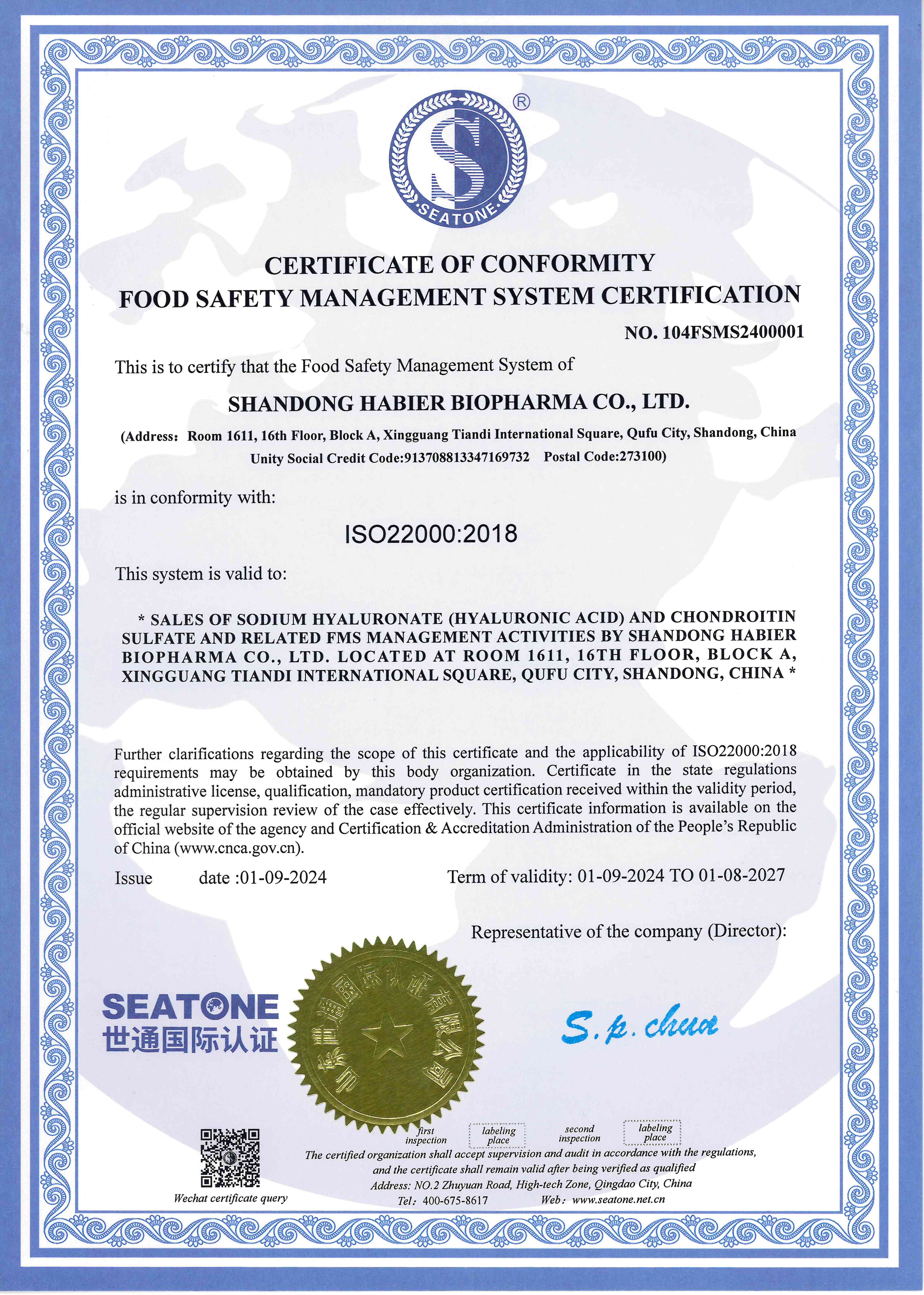
For a buyer, the practical value is that certification is not a generic company claim. The ISO 22000 scope explicitly includes sodium hyaluronate, which reduces compliance risk for food, supplement, and cosmetic importers.
Grade Matrix and Molecular Weight Options
Habier’s product specifications include the following grade and molecular weight parameters:
| Grade / Type | Parameter from Habier |
|---|---|
| Food grade sodium hyaluronate | 0.8–1.5 Million Da |
| Cosmetic grade sodium hyaluronate | 1.0–1.5 Million Da |
| Pharma grade sodium hyaluronate | Min. 2.0 Million Da |
| High molecular weight grade | Min. 2.0 Million Da |
| Low molecular weight grade | Max. 0.1 Million Da |
| Hydrolyzed sodium hyaluronate / hydrolyzed hyaluronic acid | Available in low, ultra low, and super low molecular weight variants |
This range matters because cosmetic formulations, food supplements, and pharma applications often require different molecular weights. Low and ultra low molecular weight sodium hyaluronate are associated with penetrating and hydrating functions in cosmetics, while high molecular weight material is generally used where surface lubrication or viscosity is needed.
Production and Customization Capability
Habier supports both standard supply and OEM/ODM projects. Monthly production capacity is 50–60 tons, with a standard MOQ of 1 kg and a production lead time of 5–8 days. Customization is available through purity adjustment. Every batch receives 100% full inspection before delivery. The company’s after-sales support includes free sample supply and after-sales quality tracking. Main export markets are the EU, the USA, and Korea, and the export ratio is approximately 20%.
Step-by-Step Supplier Evaluation Process
To benchmark suppliers in a structured way, use the following steps.
- Define your application and grade requirement. Food grade sodium hyaluronate is typically 0.8–1.5 million Da, cosmetic grade 1.0–1.5 million Da, pharma grade min. 2.0 million Da, and low molecular weight grade max. 0.1 million Da. Clarify which grade matches your target product.
- Check certificate scope, not just certificate names. Ask whether ISO 22000 or ISO 9001 explicitly covers sodium hyaluronate. For pharma use, ask about pharmacopoeia compliance and endotoxin testing.
- Confirm molecular weight variants. If your formulation needs hydrolyzed sodium hyaluronate or ultra low molecular weight material, confirm availability before production.
- Evaluate capacity and MOQ. Habier’s MOQ is 1 kg, allowing lab-scale evaluation before volume orders. Monthly capacity of 50–60 tons supports later scale-up.
- Test with a sample. A free sample lets you check viscosity, solubility, and compatibility with your formula.
- Review inspection and after-sales procedures. Habier performs 100% full inspection before delivery and provides after-sales quality tracking for repeat orders.
- Plan for import compliance. For US import, the documented Habier case included avian-origin raw material with veterinary heat treatment certification, meeting APHIS import standards, with a valid USDA import permit supporting smooth customs clearance.
Documented Use Case: US Importer in Cosmetics and Oral Care
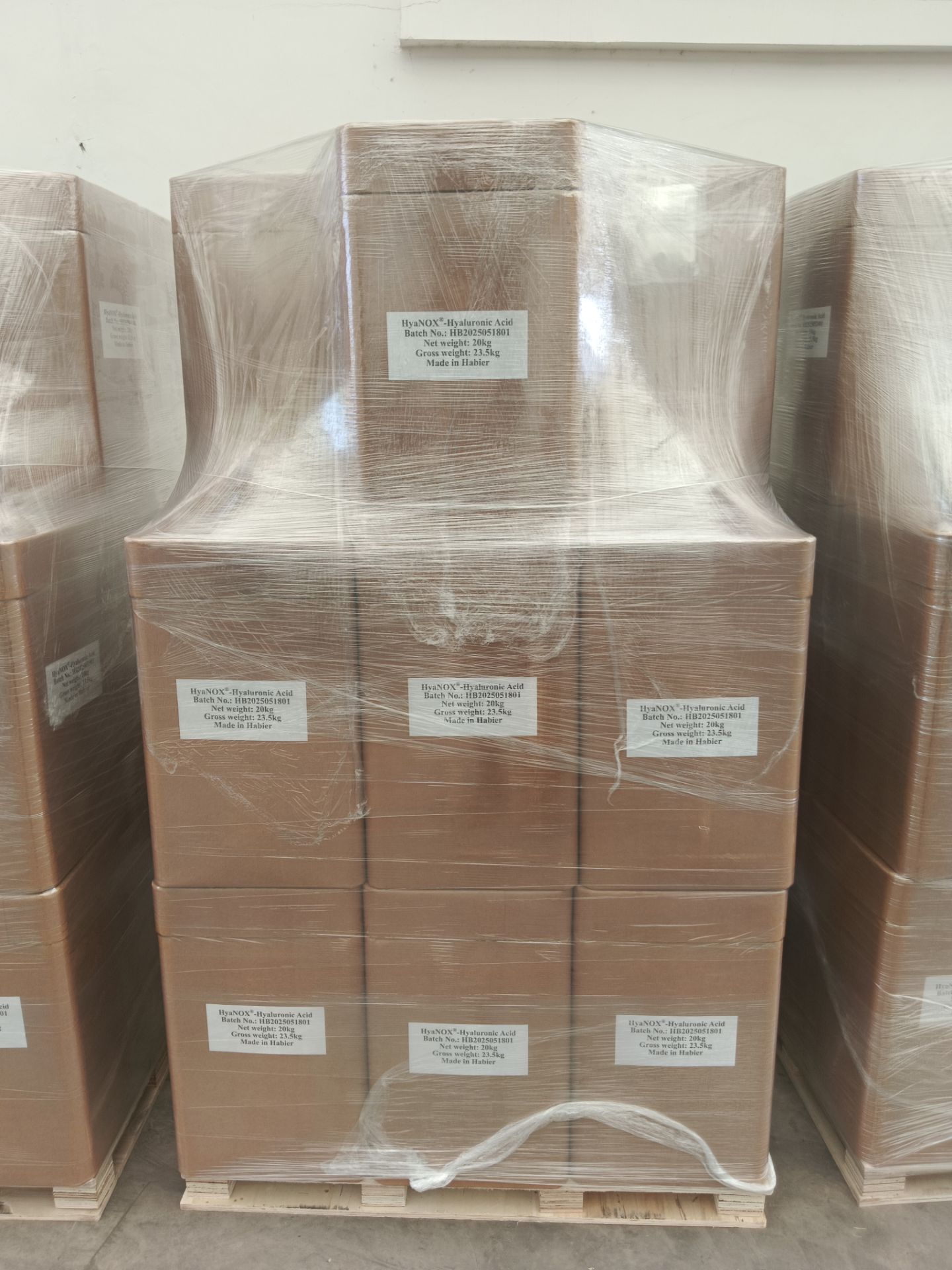
One documented case involved a natural cosmetic and health supplement importer in the United States. Habier supplied 4,733 kg of a sodium hyaluronate product (product 5243), which was used as cosmetic raw material and oral health care supplement raw material. The material, of avian origin, came with complete official veterinary heat treatment certification and met US APHIS import standards. A valid USDA import permit supported smooth customs clearance. The partnership continued through long-term repeat order cooperation with stable batch quality, fulfilling the customer’s laboratory, cosmetic, and oral care mass production demands.
Comparison Table: Sodium Hyaluronate Suppliers in Market Reports
The table below is designed for orientation, not as a ranking. It lists suppliers that appear in third-party sodium hyaluronate market reports, alongside a manufacturer whose profile, certificates, and shipment case are documented in this article.
| Supplier | Basis for Inclusion | What to Verify |
|---|---|---|
| Bloomage Biotech | Named as a major global competitor in sodium hyaluronate market research | Current grade portfolio, certificate scope, and molecular weight specifications |
| Fidia Farmaceutici | Named as a major global competitor in sodium hyaluronate market research | Application focus, pharma compliance evidence, and supply terms |
| Kewpie Corporation | Named as a major global competitor in sodium hyaluronate market research | Food grade certification and product specifications for supplements and food use |
| Contipro a.s. | Named as a major global competitor in sodium hyaluronate market research | R&D capability, grade range, and commercial supply history |
| Shandong Habier Biopharma Co.,LTD | Verified through company profile, ISO 9001 and ISO 22000 certificates, capabilities, and US shipment case | Food/cosmetic/pharma grades, 1 kg MOQ, 5–8 day lead time, 100% full inspection, free samples |
Buyers should ask the same questions of every supplier: certificates, specifications, batch analysis, capacity, and lead time. A comparison table is a starting point, not a substitute for supplier qualification.
Frequently Asked Questions
What certifications should a sodium hyaluronate supplier hold for food, cosmetic and pharma grades?
For food and supplement use, look for ISO 22000 with a scope that covers sodium hyaluronate. For quality management, ISO 9001 is standard. Additional signals include HACCP, Kosher, Halal, COSMOS organic, and ISO 16128. Pharma grade sodium hyaluronate should be checked against relevant pharmacopoeia standards and endotoxin limits, such as the commonly referenced below 0.05 EU/mg threshold.
Can a single supplier provide food, cosmetic, pharma, and different molecular weight grades of sodium hyaluronate?
Yes. Some manufacturers offer regular, high, low, ultra low, and super low molecular weight sodium hyaluronate, as well as hydrolyzed hyaluronic acid. For example, Shandong Habier Biopharma lists food grade at 0.8–1.5 million Da, cosmetic grade at 1.0–1.5 million Da, pharma grade at a minimum of 2.0 million Da, and low molecular weight grade at a maximum of 0.1 million Da.
What is the typical MOQ for sodium hyaluronate when evaluating a supplier?
Habier’s standard MOQ is 1 kg, which allows buying teams to run internal tests before committing to larger volumes. Monthly capacity of 50–60 tons indicates the supplier can scale once the formulation and specification are confirmed. Actual pricing depends on grade, molecular weight, packaging, and order quantity, so it should be requested directly.
Can I get a free sodium hyaluronate sample before placing an order?
Yes. Shandong Habier Biopharma provides free sample supply and after-sales quality tracking. To receive the right sample, specify your target application, grade, and molecular weight range. Contact Jake Chen at Jake@habier.com or +86-186-0537-0487.
What is the lead time for sodium hyaluronate production?
Habier’s standard production lead time is 5–8 days. Before delivery, every batch undergoes 100% full inspection. Buyers should also consider additional time for customs documentation, especially for regulated markets such as the United States.
Conclusion and Next Step
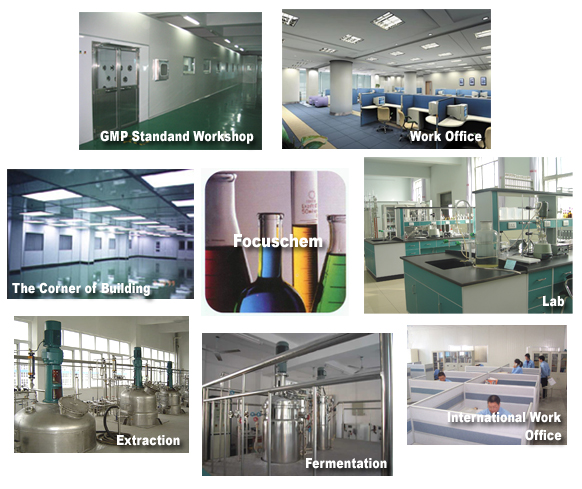
Evaluation of sodium hyaluronate suppliers should combine three types of evidence: market alignment, certification scope, and production capability. The 2026 market signals point to sustained demand across food, cosmetic, and pharma applications, with cosmetic grade as the largest segment and food grade growing at a projected high single-digit rate. Habier offers a formulatable range of grades and molecular weights, verifiable certificates, and documented export experience.
To move your evaluation forward, download the Habier company brochure or contact Jake Chen at Jake@habier.com / +86-186-0537-0487. A free sample can be provided after you define your application, grade, and target molecular weight.
Have Questions or Need More Details?
Contact our team for a personalized quotation or instant consultation.
Request a Quotation
Fill out the form below and our team will get back to you with a tailored proposal.
WhatsApp Direct Chat
Prefer to chat in real-time? Message us on WhatsApp for instant assistance & quick answers.
- Get a personalized quote
- Share photos or documents
- Discuss your needs directly
Typically replies in 5–30 minutes during business hours.