Matching Sodium Hyaluronate Grades to Food, Cosmetic & Pharma Projects
Matching Sodium Hyaluronate Grades to Food, Cosmetic & Pharma Projects

Sodium hyaluronate grade selection is a project decision, not a catalogue decision. A food or supplement project normally runs on food grade sodium hyaluronate in the 0.8–1.5 million Da range. A skincare project usually runs on cosmetic grade hyaluronic acid at 1.0–1.5 million Da. A pharmaceutical or medical project moves to pharma grade sodium hyaluronate at ≥2.0 million Da, where pharmacopoeial requirements apply. When the brief calls for a lighter sensory profile or a low-molecular-weight positioning, the answer is a different variant: low molecular weight sodium hyaluronate at ≤0.1 million Da, or a super low, ultra low or hydrolyzed hyaluronic acid grade.
This application guide maps those project scenarios to grades and molecular weights, then explains what has to sit behind the grade claim — batch testing, full-item inspection, traceability, an independent QC laboratory and current certification — for the material to still perform on the tenth repeat order rather than only on the first sample. It is written for importers, brand owners, formulation teams and procurement managers who have already decided that hyaluronic acid sodium salt belongs in the formula and now have to execute the order correctly.
Why Grade-to-Project Mismatch Costs More Than the Raw Material
Most sodium hyaluronate sourcing problems do not start with price. They start with a grade that arrives at the plant and does not behave the way the project assumed. Molecular weight is the main reason. Two products that both read "sodium hyaluronate" on a certificate of analysis can sit at opposite ends of the molecular weight scale, and that difference drives viscosity, film-forming behaviour, sensory feel in a finished cosmetic, and the analytical tests a pharmaceutical specification has to pass.
Three failure patterns repeat across food, cosmetic and pharma projects:
- Wrong grade for the regulatory pathway. Cosmetic grade material sitting in a supplement project, or food grade material in a product that has to meet a pharmacopoeial monograph, cannot be corrected by reformulation. The grade has to be replaced.
- Right grade, unstable band. A supplier delivers the correct molecular weight band once and then drifts outside it on a repeat order. The buyer usually discovers this at incoming inspection, after the purchase order, freight and production schedule have already been committed.
- Right grade, incomplete documentation. Food, cosmetic and pharma buyers all need batch-level records rather than one generic specification sheet. Without a certificate of analysis for the specific batch and a traceable inspection record, a technically correct shipment can still block a release or a customer audit.
For buyers at the decision and execution stage, the practical question is therefore not "which supplier sells sodium hyaluronate", but "which combination of grade, molecular weight band and quality documentation is repeatable". That is the mapping this article sets out.
Market Context: Where Demand for Each Grade Comes From
The global sodium hyaluronate raw material market was valued at approximately USD 504 million in 2024, driven mainly by cosmetic and medical demand (Reports and Data). Within that raw material market, cosmetic applications remain the largest single block: the cosmetic grade segment held 61.91% of hyaluronic acid raw material market share in 2025 (Grand View Research). On the food side, the global food grade sodium hyaluronate market was estimated at USD 0.5 billion in 2024, with a projected CAGR of 8.5% through 2034 (Reports and Data).
Two further signals matter for grade planning. In China's cosmetic ingredient filings in the first half of 2024, sodium hyaluronate remained a top-tier classic ingredient for hydrating masks and essences (Plamed Group) — this is not a niche additive, and formulation teams already know what it does. On the pharmaceutical side, pharma grade sodium hyaluronate must meet USP-NF, European Pharmacopoeia (EP) and JP standards, with endotoxin levels typically below 0.05 EU/mg (Princeton Powder Guide). That is a different compliance environment from food or cosmetic use, and it is the main reason the same molecule is sold as distinct grades at all.
Reading market numbers correctly. Published figures for sodium hyaluronate can differ by an order of magnitude because they describe different scopes. Raw material estimates, such as the Grand View Research figure of USD 245.62 million, sit alongside estimates for sodium hyaluronate-based products of USD 14.02 billion (Straits Research). Grade-level planning should use raw material figures; market sizing that includes fillers and finished medical devices is not comparable.
Matching Grades to Project Scenarios: The Mapping Framework
Grade and molecular weight are two different axes, and both have to be written into the purchase order. The grade sets the compliance and quality pathway — food, cosmetic or pharma. The molecular weight band sets what the material does in the formula. A project can be correctly graded and still fail functionally if the molecular weight band is wrong, and the reverse also happens.
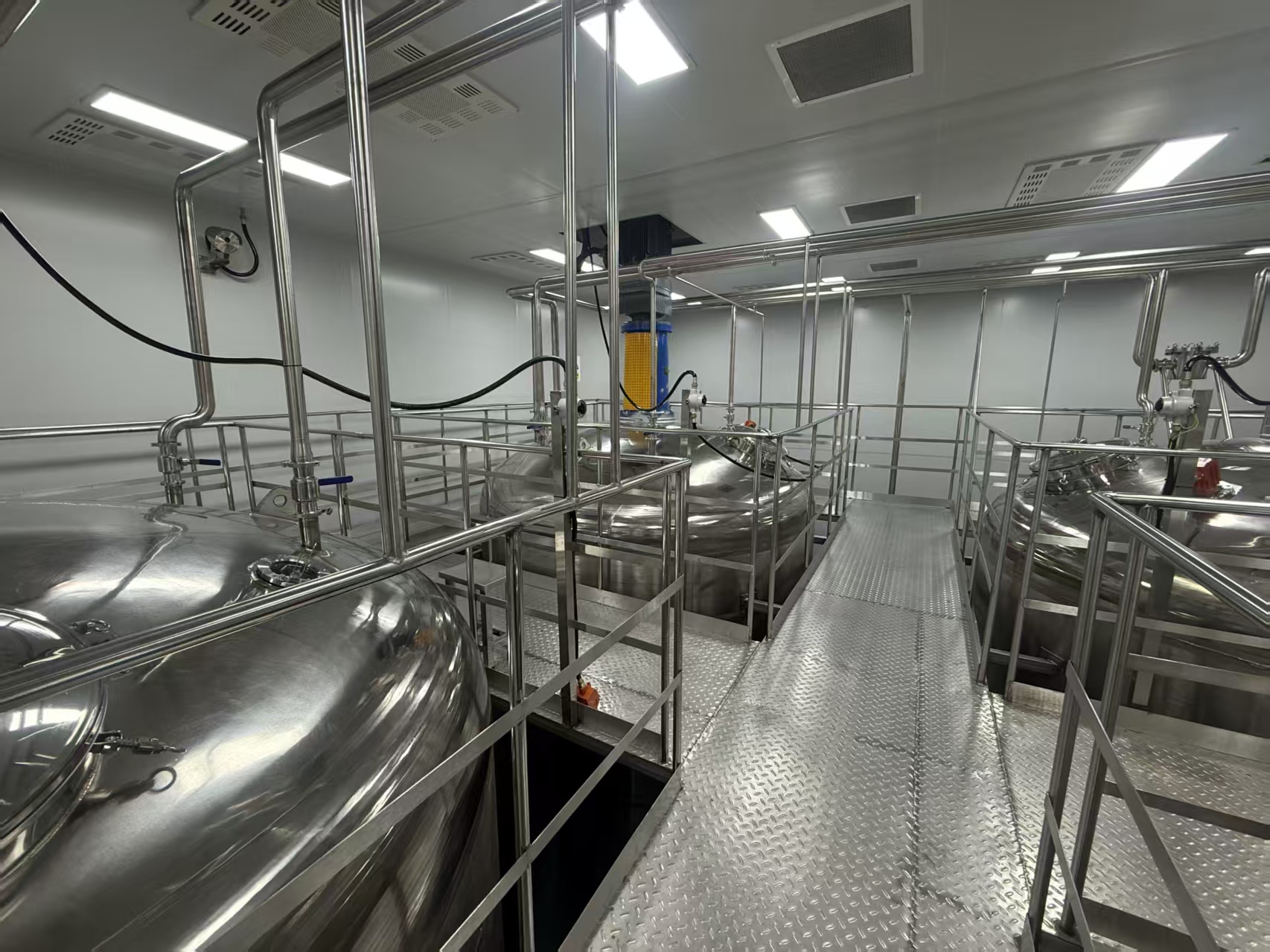
| Grade / product name | Molecular weight band | Projects it usually serves | What to lock at order stage |
|---|---|---|---|
| Food grade sodium hyaluronate / food grade hyaluronic acid | 0.8–1.5 million Da | Oral supplements, functional beverages, fortified foods, nutraceutical powders | Grade declaration plus ISO 22000, HACCP, Kosher, Halal documentation |
| Cosmetic grade sodium hyaluronate / cosmetic grade hyaluronic acid | 1.0–1.5 million Da | Serums, essences, masks, creams, cosmetic blending projects | Grade declaration, COA per batch, COSMOS organic / ISO 16128 where organic claims apply |
| Pharma grade sodium hyaluronate / pharma grade hyaluronic acid | ≥2.0 million Da | Pharmaceutical and medical applications | Pharmacopoeial conformity (USP-NF, EP, JP) and endotoxin control typically below 0.05 EU/mg |
| High molecular weight sodium hyaluronate / high molecular weight hyaluronic acid | ≥2.0 million Da | Film-forming, high-viscosity and cushioning formats | Verified band per batch, not a one-time statement |
| Low molecular weight sodium hyaluronate / low molecular weight hyaluronic acid | ≤0.1 million Da | Formulations targeting a lighter sensory profile or low-molecular-weight positioning | Exact band plus the base grade (food or cosmetic) declared separately |
| Super low molecular weight and ultra low molecular weight sodium hyaluronate / hyaluronic acid; hydrolyzed sodium hyaluronate / hydrolyzed hyaluronic acid | Low-molecular-weight fractions below the standard low band | Specialty formats built on low-molecular-weight fractions | Variant name confirmed in the certificate of analysis for the batch |
Food grade sodium hyaluronate: 0.8–1.5 million Da
Food grade sodium hyaluronate, also purchased as food grade hyaluronic acid, is the standard route for oral supplements, functional beverages, fortified foods and nutraceutical powders, where the material is ingested and the governing question is food safety rather than pharmacopoeial conformity. A molecular weight band of 0.8–1.5 million Da covers the mainstream of these projects. Because the grade is defined by its regulatory pathway, the documents that matter are food-safety and dietary certifications rather than drug master files: ISO 22000, HACCP, Kosher and Halal are the relevant reference points.
Cosmetic grade: 1.0–1.5 million Da
Cosmetic grade sodium hyaluronate and cosmetic grade hyaluronic acid are used in serums, essences, masks and creams, and in blending projects where a brand or contract manufacturer builds a base it will fill under its own label. The typical band is 1.0–1.5 million Da. Where a skincare line also carries an organic claim, the certificate set changes: Habier's hyaluronate products are certified organic COSMOS and ISO 16128, in addition to ISO 9001 and ISO 22000. Cosmetic grade is the largest consumption block in the raw material market, which also makes it the grade with the widest variation between suppliers — the band, not the grade name, is what needs checking.
Pharma grade: ≥2.0 million Da
Pharma grade sodium hyaluronate and pharma grade hyaluronic acid serve pharmaceutical and medical projects, where the material has to meet pharmacopoeial requirements — USP-NF, EP and JP — with endotoxin levels typically below 0.05 EU/mg. The band used in these projects is ≥2.0 million Da. The practical consequence for procurement is that pharma grade cannot be substituted with a cosmetic grade of similar viscosity, and the documentation requirement is stricter: every batch has to be backed by full-item inspection and a traceable record, not a periodic spot check.
Low, super low, ultra low and hydrolyzed variants
Not every project is designed around a high molecular weight. When a brief targets a lighter sensory profile or a low-molecular-weight positioning, the relevant products are low molecular weight sodium hyaluronate and low molecular weight hyaluronic acid at ≤0.1 million Da, together with the super low and ultra low molecular weight sodium hyaluronate grades and hydrolyzed sodium hyaluronate or hydrolyzed hyaluronic acid. These variants sit at the low end of the scale and are chosen for function rather than for compliance, so the grade declaration (food or cosmetic) still applies on top of the molecular weight choice. Procurement should specify both: "cosmetic grade, low molecular weight" and "cosmetic grade, regular" are different line items and should never be interchangeable on a purchase order.
High molecular weight and regular grade
High molecular weight sodium hyaluronate and high molecular weight hyaluronic acid sit at ≥2.0 million Da and are selected for film-forming, high-viscosity or cushioning behaviour. Regular grade sodium hyaluronate and regular grade hyaluronic acid describe a supplier's standard commercial band within a given grade and are normally specified against the buyer's own fixed internal specification rather than a generic range.
What Has To Sit Behind the Grade: Habier's Quality Structure
Shandong Habier Biopharma Co., LTD is a sodium hyaluronate manufacturer established in 2015 and located in Qufu City, Shandong Province, China. The company operates a 50,000 m² production facility with 123 employees, an annual output of 600–700 MT, an R&D team of six engineers, and exports to the EU, USA and Korea, which account for around 20% of its business. Those numbers matter to grade matching for a simple reason: a grade commitment is only as reliable as the production and inspection system repeating it.
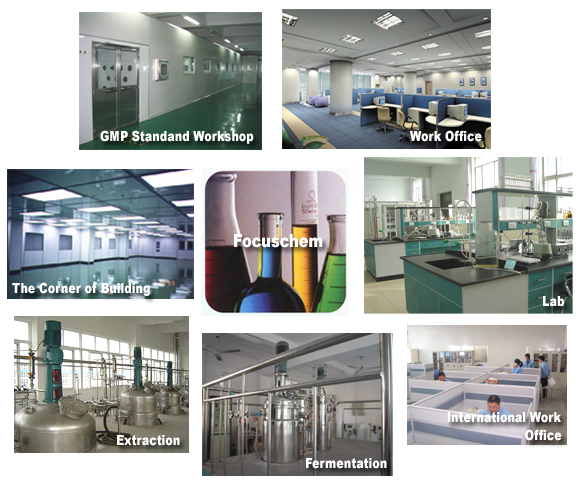
Four control layers support the grade claims described above.
- Batch testing and full-item inspection. Every batch is subject to full-item inspection supported by an independent QC laboratory, and 100% full inspection is completed before delivery. Customers can also designate a third-party laboratory for testing, and unqualified product is rejected with full traceability records retained.
- Molecular weight control. Production uses strict molecular weight segmentation, a standardized fermentation and purification process and fixed production parameters. Viscosity, molecular weight and purity are monitored online in real time, and each batch is rechecked across laboratories.
- Supply and continuity controls. Two independent fermentation workshops, a 30-day raw material safety stock and flexible shift scheduling support bulk and urgent orders without changing the process parameters that hold the molecular weight band.
- Compliance maintenance. The company holds ISO 9001, ISO 22000, Kosher, Halal and Ecocert COSMOS certificates, maintains annual third-party recertification, and runs a dedicated compliance team tracking EU and US food and cosmetic regulations. Its product is certified as organic COSMOS and ISO 16128.
Step-by-Step: Executing a Grade-Matched Sodium Hyaluronate Order
- Define the end product and its regulatory pathway. Food, cosmetic or pharma. This fixes the grade before any price discussion and determines which certificates are non-negotiable.
- Fix the molecular weight window and the variant. Choose between regular or high molecular weight (up to and above 2.0 million Da), low molecular weight (≤0.1 million Da), or a super low, ultra low or hydrolyzed grade. Write the band, not just the grade name, into the specification.
- Confirm the document set. Request the certificate of analysis for the specific batch, full-item inspection records, traceability documentation and current copies of the relevant certificates (ISO 9001, ISO 22000, Kosher, Halal, Ecocert COSMOS as applicable).
- Validate with a sample. Habier's after-sales service includes free sample supply and quality tracking. Sample validation should run the same tests the commercial batch will face, and customer-designated third-party laboratory testing is supported.
- Place the first commercial order with acceptance criteria fixed. Minimum order quantity is 1 kg; delivery terms are FOB/CIF; acceptance criteria are a pre-shipment full test with COA report, third-party laboratory inspection if required, and on-site factory inspection. Payment terms mainly follow a high advance payment mode, with separate negotiation for large long-term clients.
- Plan the repeat order before the second purchase order. Confirm how the supplier holds the band across runs: 30-day raw material inventory, two independent fermentation workshops, cross-lab recheck per batch and full traceability. Repeat-order stability, not first-order performance, is what keeps a food, cosmetic or pharma line on schedule.

Use Case: 4,733 kg of Hyaluronic Acid Raw Material for a US Cosmetic and Supplement Importer
A US-based importer of natural cosmetics and health supplements received 4,733 kg of hyaluronic acid raw material (product 5243) from Habier for projects spanning both cosmetic and supplement lines, and has continued with stable repeat-order supply.
The portfolio in this case is exactly why grade mapping matters. A company selling both skincare and oral supplements cannot run one grade across both categories: the cosmetic line is built on cosmetic grade hyaluronic acid in the 1.0–1.5 million Da band, while the supplement line requires food grade sodium hyaluronate in the 0.8–1.5 million Da range. Both have to be documented for their own regulatory pathway. Where the same buyer sources both grades from one qualified supplier, the qualification workload reduces to one factory audit, one traceability system and one certification file, while grade separation is still maintained at batch level.
For readers at the execution stage, the transferable point from this case is the repeat order. A 4,733 kg first shipment demonstrates that a supplier can scale; repeat shipments at the same molecular weight band and the same documentation standard demonstrate that the grade is under process control rather than incidental.
Comparing Supplier Offers by Grade: What the Comparison Should Contain
Core supplier differences in this category should be compared on five dimensions: molecular weight range, purity grade, test reports, price and supply capacity. A grade name alone carries none of them. The table below translates those dimensions into a per-project comparison and a per-grade verification checklist.
| Project type | Grade to specify | Molecular weight to specify | Verify before release |
|---|---|---|---|
| US or EU supplement / nutraceutical launch | Food grade sodium hyaluronate (food grade hyaluronic acid) | 0.8–1.5 million Da | COA for the specific batch, full-item inspection record, traceability file, ISO 22000 / HACCP / Kosher / Halal certificates |
| Skincare serum, mask or essence line | Cosmetic grade sodium hyaluronate (cosmetic grade hyaluronic acid) | 1.0–1.5 million Da | COA per batch, molecular weight band confirmation, COSMOS organic and ISO 16128 certificates where organic claims are used |
| Cosmetic or food format built on low-molecular-weight fractions | Low molecular weight, super low, ultra low or hydrolyzed sodium hyaluronate / hyaluronic acid | ≤0.1 million Da for low molecular weight; variant fractions for super low, ultra low and hydrolyzed | Variant confirmed in the batch COA, base grade (food or cosmetic) declared separately, batch-to-batch consistency checked |
| Pharmaceutical or medical project | Pharma grade sodium hyaluronate (pharma grade hyaluronic acid) | ≥2.0 million Da | Conformity with USP-NF, EP and JP; endotoxin levels typically below 0.05 EU/mg; full-item inspection and full traceability per batch |
Frequently Asked Questions
Which certifications should a food, cosmetic or pharma sodium hyaluronate project require?
The certificate set follows the grade, not the molecule. Food grade projects need food-safety and dietary certifications such as ISO 22000, HACCP, Kosher and Halal. Cosmetic grade projects work from ISO 9001 and ISO 22000, plus Ecocert COSMOS organic and ISO 16128 certification where the finished product carries an organic claim. Pharma grade material must meet USP-NF, European Pharmacopoeia (EP) and JP standards, with endotoxin levels typically below 0.05 EU/mg. Shandong Habier Biopharma holds ISO 9001, ISO 22000, Kosher, Halal and Ecocert COSMOS certificates and maintains annual third-party recertification.
Can a supplier hold the same molecular weight band across repeat orders?
It depends on process control rather than on the grade label. Habier applies strict molecular weight segmentation, a standardized fermentation and purification process and fixed production parameters, monitors viscosity, molecular weight and purity online in real time, and rechecks each batch across laboratories. Full-item inspection is performed for every batch in an independent QC laboratory, with 100% full inspection before delivery and full traceability records retained. Two independent fermentation workshops and a 30-day raw material safety stock allow repeat production without changing the parameters that hold the band.
What are the minimum order quantity, delivery terms and acceptance criteria?
The minimum order quantity is 1 kg. Delivery terms are FOB/CIF. Acceptance criteria are a pre-shipment full test with a COA report, support for third-party laboratory inspection, and the option of on-site factory inspection. Payment terms mainly follow a high advance payment mode, and large long-term clients can negotiate terms separately.
Can a food, cosmetic or pharma grade be validated with a sample first?
Yes. Habier's after-sales service includes free sample supply and quality tracking. A sample can be checked against the same certificate of analysis and batch inspection records that apply to commercial deliveries, and testing can be carried out by a customer-designated third-party laboratory. Because every batch receives full-item inspection and unqualified product is rejected with full traceability records, sample results and production results come from the same control system.
What supports lead time and supply continuity on long-term orders?
Continuity comes from production structure: an annual output of 600–700 MT, two independent fermentation workshops, a 30-day raw material inventory and flexible shift production for bulk urgent orders. Habier exports to the EU, USA and Korea, around 20% of its business, and maintains a dedicated compliance team tracking EU and US food and cosmetic regulations so documentation stays current across repeat deliveries. To confirm grade fit for a specific project, request a sample or a quotation at jake@habier.com.
Conclusion: Match the Grade First, Then Lock the Supply
The grade and the molecular weight band are two separate decisions, and a sodium hyaluronate project needs both fixed before the purchase order is placed. Food grade sodium hyaluronate at 0.8–1.5 million Da covers supplement and functional food projects; cosmetic grade hyaluronic acid at 1.0–1.5 million Da covers skincare and blending projects; pharma grade sodium hyaluronate at ≥2.0 million Da covers pharmaceutical and medical applications under USP-NF, EP and JP standards. Low molecular weight, super low, ultra low and hydrolyzed variants serve formats that need a lighter or low-molecular-weight profile. The second decision is whether the supplier can repeat that specification — through batch testing, full-item inspection, an independent QC laboratory, molecular weight segmentation and full traceability — which is what turns a first shipment into a stable supply relationship.
Next Step: Sample, Quotation or Full Catalogue
Shandong Habier Biopharma Co., LTD supplies food grade, cosmetic grade and pharma grade sodium hyaluronate, together with low, super low, ultra low and hydrolyzed hyaluronic acid grades, from its facility in Qufu City, Shandong, China.
- Free sample supply and quality tracking are available for grade validation.
- Quotations are issued with MOQ of 1 kg and FOB/CIF delivery terms.
- Contact: Jake Chen — jake@habier.com — Tel: +86-186-0537-0487
- Address: 16F Building A Xingguangtiandi International Square, Qufu City, Shandong, China 273100
- Website: www.habier.com — download the full product brochure: Habier Biopharma brochure (PDF)

Have Questions or Need More Details?
Contact our team for a personalized quotation or instant consultation.
Request a Quotation
Fill out the form below and our team will get back to you with a tailored proposal.
WhatsApp Direct Chat
Prefer to chat in real-time? Message us on WhatsApp for instant assistance & quick answers.
- Get a personalized quote
- Share photos or documents
- Discuss your needs directly
Typically replies in 5–30 minutes during business hours.