
Sodium Hyaluronate Molecular Weight Guide: From Low MW to High MW Grades
Sodium Hyaluronate Molecular Weight Guide: From Low MW to High MW Grades
Sodium hyaluronate is the sodium salt form of hyaluronic acid, widely used in food, cosmetic, and pharmaceutical applications. This guide explains the different sodium hyaluronate molecular weight grades available, the specifications that distinguish them, and how to align those specifications with your project requirements.
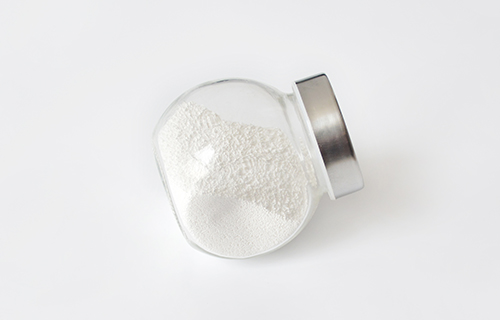
Sodium hyaluronate sample in storage jar; molecular weight determines application fit.
Whether you are a cosmetic formulation developer, a food supplement brand, or a pharmaceutical procurement specialist, the same ingredient can behave very differently depending on its molecular weight and grade. Choosing the wrong specification affects solubility, viscosity, skin feel, bioavailability, and regulatory traceability.
What Is Sodium Hyaluronate?
Sodium hyaluronate is a salt form of hyaluronic acid with improved water solubility and stability. It belongs to a family of polysaccharide molecules widely used as a humectant, viscosity modifier, filler, or viscoelastic material in formulations. Because it is a salt derivative, it can be processed into powder forms that are easier to handle in production and more stable during storage than some other hyaluronan forms.
Shandong Habier Biopharma Co., Ltd. is an example of a manufacturer supplying this raw material across multiple grades. Established in 2015 and located in Qufu City, Shandong Province, China, the company focuses on hyaluronic acid and sodium hyaluronate production with an annual output of approximately 600–700 MT. Its product lineup spans food grade, cosmetic grade, pharma grade, high molecular weight, low molecular weight, super low molecular weight, ultra low molecular weight, and hydrolyzed hyaluronic acid.
What Is Sodium Hyaluronate Molecular Weight?
Molecular weight describes the average size of the sodium hyaluronate polymer chains. It is commonly expressed in Daltons (Da), often in units of millions. Higher molecular weight chains are longer and typically form more viscous solutions. Lower molecular weight chains are shorter and generally penetrate the skin more readily while providing different sensory and functional benefits.
For buyers, understanding molecular weight is essential because the specification directly affects performance. A high molecular weight grade might be preferred for a surface-moisturizing cosmetic product, while an ultra-low molecular weight grade might be selected for deeper skin conditioning or oral supplement formulations where absorption behavior matters.
What Are the Different Sodium Hyaluronate Grades?
Sodium hyaluronate product lines commonly include the following variants:
- Food grade sodium hyaluronate: intended for oral supplements and food-related applications.
- Cosmetic grade sodium hyaluronate: intended for skincare, cosmetics, and personal care formulations.
- Pharma grade sodium hyaluronate: intended for pharmaceutical and medical applications, typically with stricter purity and endotoxin requirements.
- High molecular weight sodium hyaluronate: longer polymer chains that provide higher viscosity and surface film-forming properties.
- Low molecular weight sodium hyaluronate: shorter chains that offer different penetration and sensory characteristics.
- Super low molecular weight sodium hyaluronate: further reduced chain size for specific cosmetic or nutraceutical functions.
- Ultra low molecular weight sodium hyaluronate: an even smaller chain fraction designed for high bioavailability claims.
- Hydrolyzed hyaluronic acid: a fragmented form produced by hydrolysis for very low molecular weight applications.
What Are the Typical Molecular Weight Parameters?
Manufacturers commonly publish molecular weight parameters for each grade. For example, Shandong Habier Biopharma specifies the following ranges for its sodium hyaluronate product (product 5243):
- Food grade: 0.8–1.5 Million Da
- Cosmetic grade: 1.0–1.5 Million Da
- Pharma grade: Minimum 2.0 Million Da
- High molecular weight grade: Minimum 2.0 Million Da
- Low molecular weight grade: Maximum 0.1 Million Da
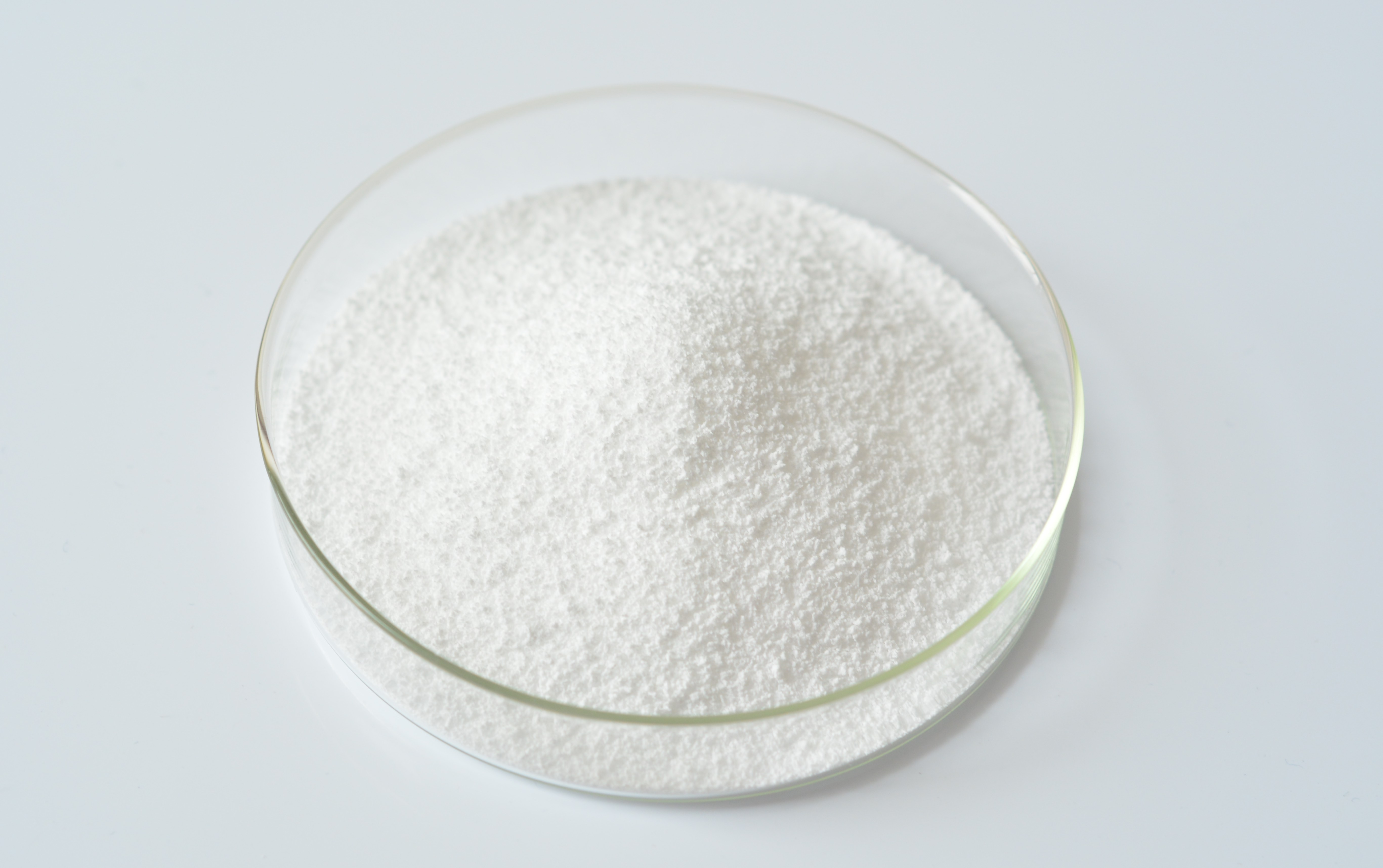
Molecular weight grades are verified through laboratory testing of raw material samples.
Pharma grade sodium hyaluronate must typically meet recognized pharmacopeia standards such as USP-NF, European Pharmacopoeia (EP), and JP, with endotoxin levels commonly below <0.05 EU/mg. Food grade material should comply with applicable food safety requirements, and cosmetic grade material should satisfy the purity and microbial requirements for personal care use.
Sodium Hyaluronate Grades and Molecular Weight Comparison
| Grade / Variant | Typical Molecular Weight | Primary Application | Key Consideration |
|---|---|---|---|
| Food grade sodium hyaluronate | 0.8–1.5 Million Da | Oral supplements, food applications | Food safety compliance and traceability |
| Cosmetic grade sodium hyaluronate | 1.0–1.5 Million Da | Skincare, serums, masks, personal care | Skin feel, hydration performance, formulation stability |
| Pharma grade sodium hyaluronate | Minimum 2.0 Million Da | Pharmaceutical and medical applications | Pharmacopeia compliance, low endotoxin, strict purity |
| High molecular weight sodium hyaluronate | Minimum 2.0 Million Da | Surface moisturizing, viscosity building, wound care products | High viscosity; forms surface film |
| Low molecular weight sodium hyaluronate | Maximum 0.1 Million Da | Cosmetic penetration, nutraceutical formulations | Lower viscosity; different skin penetration profile |
| Super low / ultra low molecular weight sodium hyaluronate | Below low molecular weight range | High-penetration cosmetics, specialized supplement applications | Requires precise manufacturing control |
| Hydrolyzed hyaluronic acid | Fragmented very low molecular weight chains | Cosmetic actives, highly bioavailable formulations | Ensure consistent hydrolysis process and batch stability |
This table reflects representative published parameters from Shandong Habier Biopharma and should not be read as an exhaustive industry standard. Different suppliers may define ranges differently, so it is important to request the actual specification per batch.
How Does Molecular Weight Affect Application Performance?
High Molecular Weight Sodium Hyaluronate for Surface Hydration
High molecular weight sodium hyaluronate, typically above 1.5–2.0 Million Da, forms a viscoelastic film on the skin or mucosal surface. It is often used to provide immediate surface hydration, reduce water loss, and create a smooth skin feel. In ophthalmic and certain medical products, high molecular weight chains contribute to viscosity and lubrication.
Low Molecular Weight Sodium Hyaluronate for Penetration
Low molecular weight sodium hyaluronate has shorter chains, usually around or below 0.1 Million Da. Because the molecule is smaller, it may penetrate the upper layers of skin more effectively than high molecular weight material. Cosmetic brands often combine both fractions in one formulation to achieve both surface hydration and deeper conditioning.
Super Low and Ultra Low Molecular Weight Grades
Super low molecular weight and ultra low molecular weight sodium hyaluronate are designed for even higher bioavailability claims in cosmetic and oral supplement products. Hydrolyzed hyaluronic acid takes this a step further by breaking the polymer into very small fragments. These variants are particularly common in products targeted at deep skin moisturizing, anti-aging serums, and nutraceuticals that require low molecular weight absorption behavior.
How to Match Sodium Hyaluronate Grade to Your Project
When selecting a sodium hyaluronate specification, review the following decision points in order:
- Define your regulatory target. Determine whether your finished product is regulated as food, cosmetic, pharmaceutical, or medical. This immediately narrows your supplier qualification requirements.
- Define your functional claim. Surface hydration, deep penetration, viscosity control, or oral bioavailability each point to a different molecular weight fraction.
- Check available certifications. Ask the supplier for the certificate applicable to the product grade, such as ISO 9001, ISO 22000, and any food-, cosmetic-, or pharma-relevant quality system certificates.
- Request batch specifications. Verify molecular weight, purity, microbial limits, and any project-specific parameters such as endotoxin for pharma use.
- Scale from sample to bulk. Confirm that the sampled specification matches production lots before moving to commercial scale.
What Certifications Should a Sodium Hyaluronate Supplier Hold?
Certification checks are a critical part of supplier evaluation, especially for food and pharma applications. For example, Shandong Habier Biopharma holds ISO 9001:2015 and ISO 22000:2018 certifications, which are issued by SHANDONG SEATONE INTERNATIONAL CERTIFICATION CO., LTD. and apply to the global market.
- ISO 9001:2015 — certification number 1042Q00053R0S (GB/T 19001-2016 / ISO 9001:2015)
- ISO 22000:2018 — certification number 104FSMS2400001
The ISO 22000 certification covers sales of sodium hyaluronate and hyaluronic acid and related food safety management activities, which is relevant for food grade buyers. The site also operates under a quality system that is appropriate for supporting multiple grades within the same manufacturing environment.

Fermentation equipment used in sodium hyaluronate production; controlled production conditions support batch consistency.
In addition, Shandong Habier Biopharma’s broader certification system includes dual ISO certification, HACCP, Kosher, and Halal, and its products are certified as organic under COSMOS and ISO 16128. These credentials help buyers in different regions match local regulatory and market requirements more quickly.
Food Grade vs. Cosmetic Grade vs. Pharma Grade: What is the Difference?
The primary differences among food grade, cosmetic grade, and pharma grade sodium hyaluronate are specification limits, production controls, and applicable standards rather than the basic chemistry of the molecule.
- Food grade material must meet food safety standards for oral consumption. The molecular weight range commonly used is 0.8–1.5 Million Da. Buyers should request documentation proving food safety compliance, including any relevant food safety management certification.
- Cosmetic grade material is manufactured for topical use. The typical range is 1.0–1.5 Million Da, but cosmetic lines also include low molecular weight and hydrolyzed variants. Key criteria are purity, microbial control, heavy metal limits, and batch consistency.
- Pharma grade material is held to the strictest purity standards. It must typically comply with USP-NF, EP, or JP requirements, including very low endotoxin levels (commonly <0.05 EU/mg). It is produced under stricter quality systems and is suitable for pharmaceutical and medical applications.
Supplier Qualification Checklist for Sodium Hyaluronate Buyers
Use the following checklist when evaluating a supplier for this raw material category:
- Does the supplier clearly state the molecular weight range for each grade?
- Does the supplier provide batch certificates with measurable specifications?
- Does the supplier hold ISO 9001 quality management certification?
- Does the supplier hold ISO 22000 food safety management certification if food grade material is needed?
- Can the supplier provide relevant regulatory documentation such as USDA import permits or veterinary heat treatment certificates when required?
- Is there a documented process for handling pharma grade requirements such as endotoxin control?
- Can the supplier deliver samples before full production commitment?
- Is there a defined lead time that matches your planning cycle?
On the supplier capability side, Shandong Habier Biopharma reports a monthly production capacity of 50–60 tons for its OEM/ODM production mode, a lead time of 5–8 days, a minimum order quantity of 1 kg, and 100% full inspection before delivery. It exports to markets including the EU and USA, and provides free sample supply and after-sales quality tracking. These are useful baseline facts to verify during supplier interviews, though specific figures may change over time.
Case Example: US Importer of Natural Cosmetic and Supplement Ingredients
One documented example involves a natural cosmetic and health supplement importer in the US that purchased 4,733 kg of sodium hyaluronate for use as a cosmetic raw material and oral health care supplement raw material. The buyer used the material for laboratory, cosmetic, and oral care mass production needs. Highlights of the supply arrangement included an avian-origin raw material with complete official veterinary heat treatment certification, compliance with US APHIS import standards, and stable long-term repeat ordering.
This case illustrates two important points: batch quality consistency matters across large quantities, and successful US import requires documentation that supports smooth customs clearance. Buyers planning similar projects should confirm that their supplier can provide the required veterinary and import documentation for sodium hyaluronate shipments.
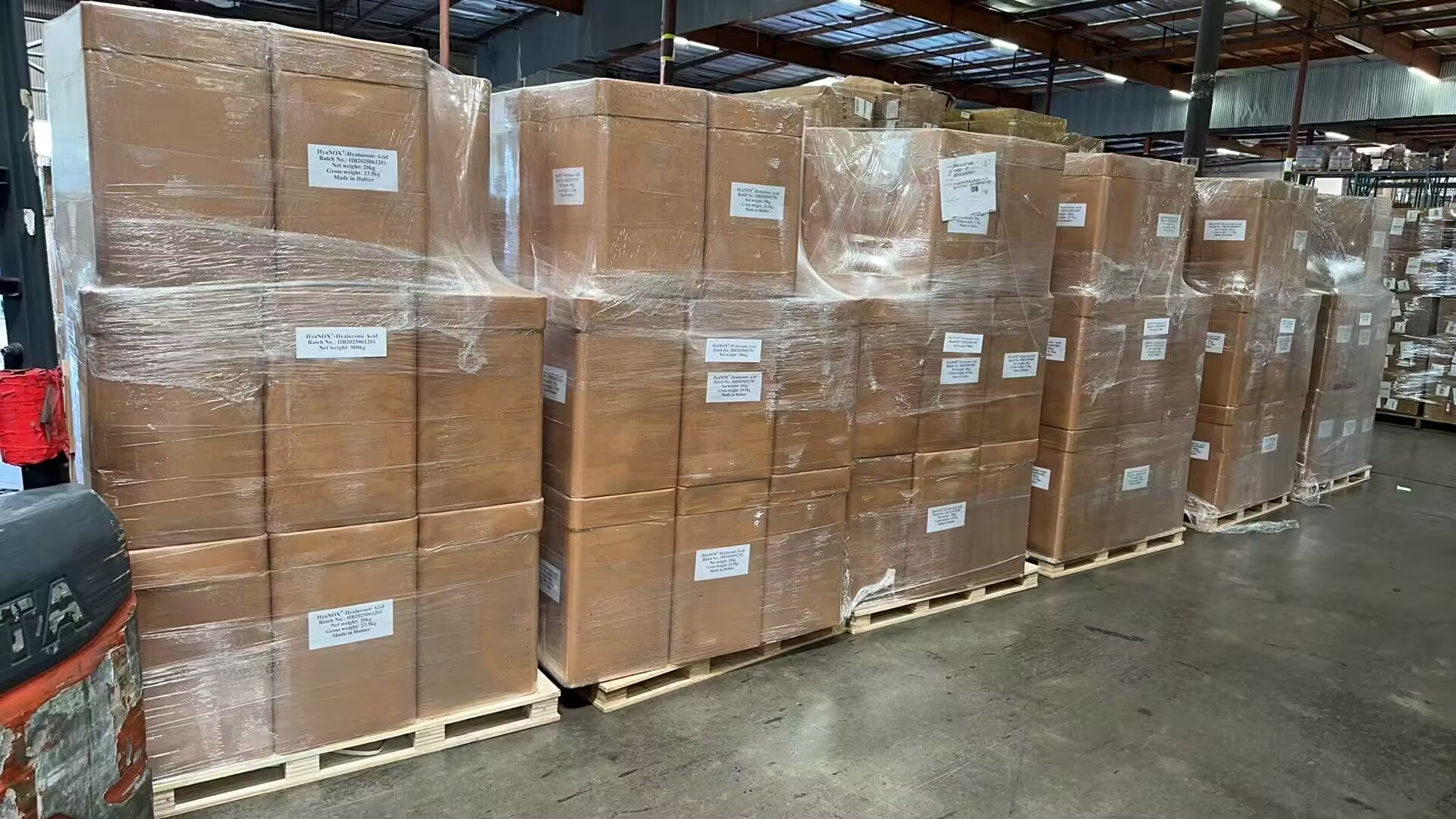
Bulk packaging configurations for sodium hyaluronate export, including palletized cartons.
How to Request Samples and Verify Specifications
Before committing to a large order, request a representative sample and verify the following:
- Appearance and powder flow behavior
- Molecular weight specification for the exact grade you need
- Assay or purity data
- Microbial and heavy metal data
- Relevant certificate copies
- Packaging format and shelf life information
If molecular weight is critical to your application, ask the supplier to confirm which measurement method is used and whether the reported value is an average or a range. A reliable supplier should be able to explain the basis of its specification without ambiguity.
Frequently Asked Questions
What certification documents should a sodium hyaluronate supplier provide?
For food grade procurement, the supplier should provide evidence of food safety management certification, such as ISO 22000:2018. For general quality assurance, ISO 9001:2015 is expected. Buyers may also request Kosher, Halal, or organic certifications depending on target market. As an example, the Sodium Hyaluronate product (product code 5243) from Shandong Habier Biopharma holds ISO 22000:2018 certification number 104FSMS2400001 and ISO 9001:2015 certification number 1042Q00053R0S, both issued by SHANDONG SEATONE INTERNATIONAL CERTIFICATION CO., LTD. and applicable to the global market.
Which sodium hyaluronate molecular weight should I choose for a cosmetic serum?
There is no single universal answer because many cosmetic formulations combine multiple molecular weights. High molecular weight sodium hyaluronate (typically 1.0–1.5 Million Da for cosmetic grade, or higher) provides surface hydration and viscosity. Low molecular weight sodium hyaluronate (typically maximum 0.1 Million Da) is associated with deeper penetration and better skin feel in leave-on products. Super low, ultra low, and hydrolyzed variants are used when even higher bioavailability is required. The right choice depends on your formulation objective, claim support, and regulatory position.
Is higher molecular weight sodium hyaluronate better?
Not necessarily. Higher molecular weight chains provide stronger surface film-forming and viscosity effects, but they do not penetrate as deeply. Lower molecular weight chains may have better penetration potential but lower surface viscosity. The best choice is the molecular weight that matches your intended application, not the highest available number. Some products intentionally blend different fractions for two-layer effects.
What is the difference between sodium hyaluronate and hyaluronic acid?
Sodium hyaluronate is the sodium salt form of hyaluronic acid. It is more stable and more water-soluble than the non-salt form, which makes it a common commercial raw material. In practice, the two terms are often used interchangeably in marketing, but specifications are usually written for sodium hyaluronate because that is the actual material supplied in powder form.
Can I request low molecular weight sodium hyaluronate samples for testing?
Yes. Most qualified suppliers support sample requests before bulk production. Shandong Habier Biopharma, for example, offers free sample supply as part of its after-sales service. You can contact the company to confirm the current sample policy and provide the exact grade, molecular weight range, and target application for your trial. For additional details, the company brochure is available for reference.
Need help selecting the right sodium hyaluronate grade?
Contact Shandong Habier Biopharma at Jake@habier.com or +86-186-0537-0487 to request samples, discuss specifications, or receive a quotation for your project.
Conclusion
Sodium hyaluronate is not a single generic ingredient. The molecular weight and grade determine how the material performs in food, cosmetic, and pharmaceutical formulations. Buyers should compare published specifications, verify certification documents, and test samples before scaling to production.
For buyers evaluating suppliers, a practical path is: define your regulatory target, select the molecular weight fraction that matches your functional claim, request batch-level certifications, and run a sample trial before purchase. Suppliers with documented quality systems and transparent specification data are easier to qualify and safer to scale with.
Have Questions or Need More Details?
Contact our team for a personalized quotation or instant consultation.
Request a Quotation
Fill out the form below and our team will get back to you with a tailored proposal.
WhatsApp Direct Chat
Prefer to chat in real-time? Message us on WhatsApp for instant assistance & quick answers.
- Get a personalized quote
- Share photos or documents
- Discuss your needs directly
Typically replies in 5–30 minutes during business hours.