
What Is Sodium Hyaluronate? A Primer on Grades, Types and Molecular Weight
Sodium hyaluronate is the sodium salt form of hyaluronic acid — a long-chain polysaccharide produced industrially and traded as a water-soluble powder. In commercial paperwork the same material also appears as hyaluronic acid or hyaluronic acid sodium salt, and that naming overlap is the first obstacle a new buyer has to clear. What actually separates one quotation from the next is not the headline name but two things behind it: the grade family and the molecular weight band.
Why the Name on the Label Is Not Enough
Two powders can both be invoiced as "sodium hyaluronate" and still be different products for practical purposes. The grade family decides the compliance route and the paperwork you will be asked for at import, at audit, or at customer qualification. The molecular weight band decides viscosity, texture and how the material sits in a finished formula. Buying on the name alone is how projects end up with a document gap three weeks before a launch, or with a material that will not disperse the way the lab bench sample did.
Three mismatch patterns explain most early sourcing mistakes.
- Grade mismatch. Material is ordered for a cosmetic or supplement project but the supplied grade and certificate set belong to a different application route. The finished goods claim and the certificate of analysis then point in different directions.
- Molecular weight mismatch. A quotation says "hyaluronic acid" with no band attached. High molecular weight and low molecular weight material are not interchangeable in a formula, and the difference usually only shows up at the trial batch stage.
- Document mismatch. Commercial terms are agreed before the buyer checks whether batch-level testing, third-party testing options and certification documents are actually available. These are procurement items, not afterthoughts.
One more clarification saves confusion later: molecular weight and purity are two separate axes. Purity describes how clean the material is; molecular weight describes the length of the polymer chain. A specification sheet can be strong on one and silent on the other, so both have to be read explicitly.
Where Sodium Hyaluronate Sits in the Ingredient Market
Sodium hyaluronate is not a niche additive. Fortune Business Insights reports the global hyaluronic acid market at USD 11.64 billion in 2025, projected to reach USD 22.36 billion by 2034, a CAGR of 7.52% over 2026–2034. Within that total, pharmaceutical grade hyaluronic acid accounts for 69.3% of product segment share in 2026, which says a good deal about where the strictest specifications — and the highest documentation burden — concentrate. China's market alone was valued at USD 649.7 million in 2024 and is projected to reach USD 1.06 billion by 2030, an 8.6% CAGR from 2025.
Demand is spread across several end sectors rather than one: hyaluronic acid is described as a critical segment within global healthcare, aesthetics, ophthalmology and orthopedic industries. That breadth is exactly why the grade vocabulary exists — the same base molecule is sold into clinical, cosmetic and food supply chains, each with its own expectations.
On the manufacturing side, industrial hyaluronic acid production runs through two routes: extraction from animal tissues, or large-scale bacterial fermentation with genetically modified strains. The fermentation route dominates modern supply, and a 2022 review reports yields of 2.5 to 7.0 g/L from Streptococcus zooepidemicus across the studies it surveyed. Fermentation performance, purification and molecular weight control are therefore the practical levers that separate one supplier's specification from another's.
The Three Grade Families: Food, Cosmetic and Pharma
Grade names describe intended use and the compliance route attached to it, not a ranking of quality. A food grade product is not a downgraded pharma grade; it is a material qualified, documented and priced for a different destination.
| Grade family | Published molecular weight range | What the grade mainly decides | Typical end-use context |
|---|---|---|---|
| Food grade sodium hyaluronate / food grade hyaluronic acid | 0.8–1.5 million Da | Food and supplement documentation route, oral-use compliance | Dietary supplement and food ingredient projects |
| Cosmetic grade sodium hyaluronate / cosmetic grade hyaluronic acid | 1.0–1.5 million Da | Cosmetic ingredient documentation and INCI-facing claims | Emulsions and serums aimed at hydration and skin elasticity |
| Pharma grade sodium hyaluronate / pharma grade hyaluronic acid | ≥2.0 million Da | Pharmacopoeia-level traceability, medical-use route | Medical device, ophthalmic and other clinical contexts |
| Low molecular weight band (applies across grades) | ≤0.1 million Da | Chain length, not a use category | Formulations that need a shorter chain than regular grade |
The ranges above are the grade specifications published by Shandong Habier Biopharma Co., Ltd. and are shown as reported. Molecular weight ranges are set per supplier and per project, so these bands are a starting frame for a conversation with a supplier — always compare them against the specification sheet attached to your own quotation.
Food grade
Food grade sodium hyaluronate and food grade hyaluronic acid sit in the 0.8–1.5 million Da band in the published specification above. This is the family used by supplement and food ingredient buyers, and the practical question is rarely the molecule itself — it is whether the supplier's food-safety documentation and certification set will satisfy the destination market.
Cosmetic grade
Cosmetic grade material is published at 1.0–1.5 million Da and is formulated into emulsions and serums. Hyaluronic acid is a widely used cosmetic active ingredient, chosen in these formats for hydration and skin elasticity support. Cosmetic grade also sits behind the growing interest in organic-certified cosmetic inputs, where the certificate chain — not the molecular weight — is often the deciding factor.
Pharma grade
Pharma grade sodium hyaluronate is published at ≥2.0 million Da, the highest band of the three families, and it carries the heaviest documentation burden. This is also the family where regulatory classification begins to matter independently of the ingredient certificate: in China, NMPA Announcement No. 103 of 2022 states that medical sodium hyaluronate products without active pharmaceutical ingredients exerting pharmacological, metabolic or immunological action are managed as medical devices, with a classification no lower than Class II in the cases described. Pharma grade supply is therefore judged on traceability and regulatory fit as much as on the chain length.
Molecular Weight: The Second Axis Behind Every Grade
Molecular weight, expressed in Daltons or millions of Daltons, describes how long the polymer chain is. It is the variable buyers most often leave unspecified, and the one that changes most between quotations for the "same" grade.
- High molecular weight sodium hyaluronate / high molecular weight hyaluronic acid — the upper end of a supplier's portfolio, aligned with the pharma-grade band of ≥2.0 million Da in the published specification.
- Regular grade sodium hyaluronate / regular grade hyaluronic acid — the standard commercial band used for most food and cosmetic projects, published at 0.8–1.5 million Da depending on grade family.
- Low molecular weight sodium hyaluronate / low molecular weight hyaluronic acid — published at ≤0.1 million Da, a substantially shorter chain than regular grade.
- Ultra low molecular weight and super low molecular weight variants — further subdivided bands below regular low molecular weight material, used when the formulation brief asks for a chain shorter than the standard low band.
- Hydrolyzed sodium hyaluronate / hydrolyzed hyaluronic acid — named for the hydrolysis step used to shorten the polymer chain, producing a low-viscosity material for formulations where a lighter handling profile is wanted.
A practical rule rather than a performance claim: fix the band in writing before you compare prices. Ask for the numeric range and the test method behind it on the specification sheet. If a supplier can only describe the material as "low" or "high" without a number, that is a signal to ask again before samples are dispatched.
From Powder to Purchase Order: A Six-Step Reading Routine
First-time buyers do not need to become polymer chemists. They need a repeatable routine that turns a specification sheet into a purchase decision.
- Confirm identity and salt form. Establish whether the offer is sodium hyaluronate, hyaluronic acid, or hyaluronic acid sodium salt, and record the naming used on the certificate of analysis so documents stay consistent.
- Fix the grade family. Food, cosmetic or pharma. This decides the compliance route and the document bundle before any price discussion.
- Fix the molecular weight band. Record the numeric range and the test method — high, regular, low, ultra-low, super-low or hydrolyzed. This is the field that most often gets left blank.
- Map the grade to the destination market. For medical-use products in China, the NMPA medical device classification applies on top of the ingredient grade. Keep ingredient certification and product registration as two separate checks.
- Request the document set before samples. Certificate of analysis per batch, third-party testing options, and the certification list — for example ISO9001, ISO22000, HACCP, Kosher, Halal, and for organic cosmetic lines Ecocert Cosmos and ISO 16128.
- Validate, then fix the supply structure. Confirm the material in your own formula, then decide whether you will source a single grade or several grades from one partner. The second choice is the one that shapes the next three years of your sourcing.
How Grade Choices Play Out in Real Projects
Cosmetic and skincare projects
Cosmetic grade material at 1.0–1.5 million Da is the standard fit for emulsions and serums built around hydration and skin elasticity claims. Where a brief calls for a lighter texture, formulators pair a regular band with a low molecular weight or hydrolyzed variant instead of switching suppliers entirely — which is one reason a multi-band supplier relationship is worth setting up early.
Food and supplement projects
Food grade material at 0.8–1.5 million Da serves supplement and food ingredient applications. Here the buyer's checklist is dominated by documentation: food-safety certification, batch-level testing, and the consistency of specification across repeat orders rather than a single shipment.
Pharma and medical projects
Pharma grade material at ≥2.0 million Da is bought into the most tightly documented context, where each batch must be traceable and the product itself may fall under medical device regulation depending on market and composition. Suppliers in this segment are judged on process control and record-keeping as much as on the powder.
Procurement Snapshot: What Follows the Grade
Once grade and molecular weight are fixed, the commercial and quality terms become concrete. The table below summarises the terms that apply at Shandong Habier Biopharma Co., Ltd.
| Item | Detail |
|---|---|
| Minimum order quantity | 1 kg |
| Delivery terms | FOB / CIF |
| Acceptance criteria | Pre-shipment full test with COA report; third-party laboratory inspection supported; on-site factory inspection available |
| Payment terms | Mainly a high advance payment mode; large long-term clients can negotiate separately |
| Quality control | 100% full inspection prior to delivery |
| Sample and after-sales | Free sample supply and quality tracking |
Why This Primer Matters for Long-Term Supply
Understanding grades and molecular weight is not only a first-purchase exercise. It is the vocabulary that makes a long-term sourcing relationship work, because most buyers eventually need more than one band. A supplement line, a cosmetic serum and a medical project inside the same group will draw on food, cosmetic and pharma grades respectively, and a supplier who can serve all three removes one requalification cycle every time a product launches.
Habier's own product list covers food grade, cosmetic grade and pharma grade sodium hyaluronate and hyaluronic acid, together with hydrolyzed, low molecular weight, ultra-low, super-low, high and regular grade variants — the full landscape this primer describes. The company was established on 14 May 2015 in Qufu City, Shandong Province, and operates a 50,000 m² site with 123 employees, a six-engineer R&D team, a 20% export ratio and main markets in the EU, USA and Korea. Reported annual output is 600–700 MT.
For buyers, the more useful question is what the supplier does when something goes wrong. Four control areas are typically documented in this category, and they map directly onto the risks that affect a multi-year supply plan:
- Technical consistency. Molecular weight segmentation, standardised fermentation and purification, fixed production parameters, an SOP applied uniformly, and real-time online monitoring of viscosity, molecular weight and purity — with cross-lab rechecking for each batch.
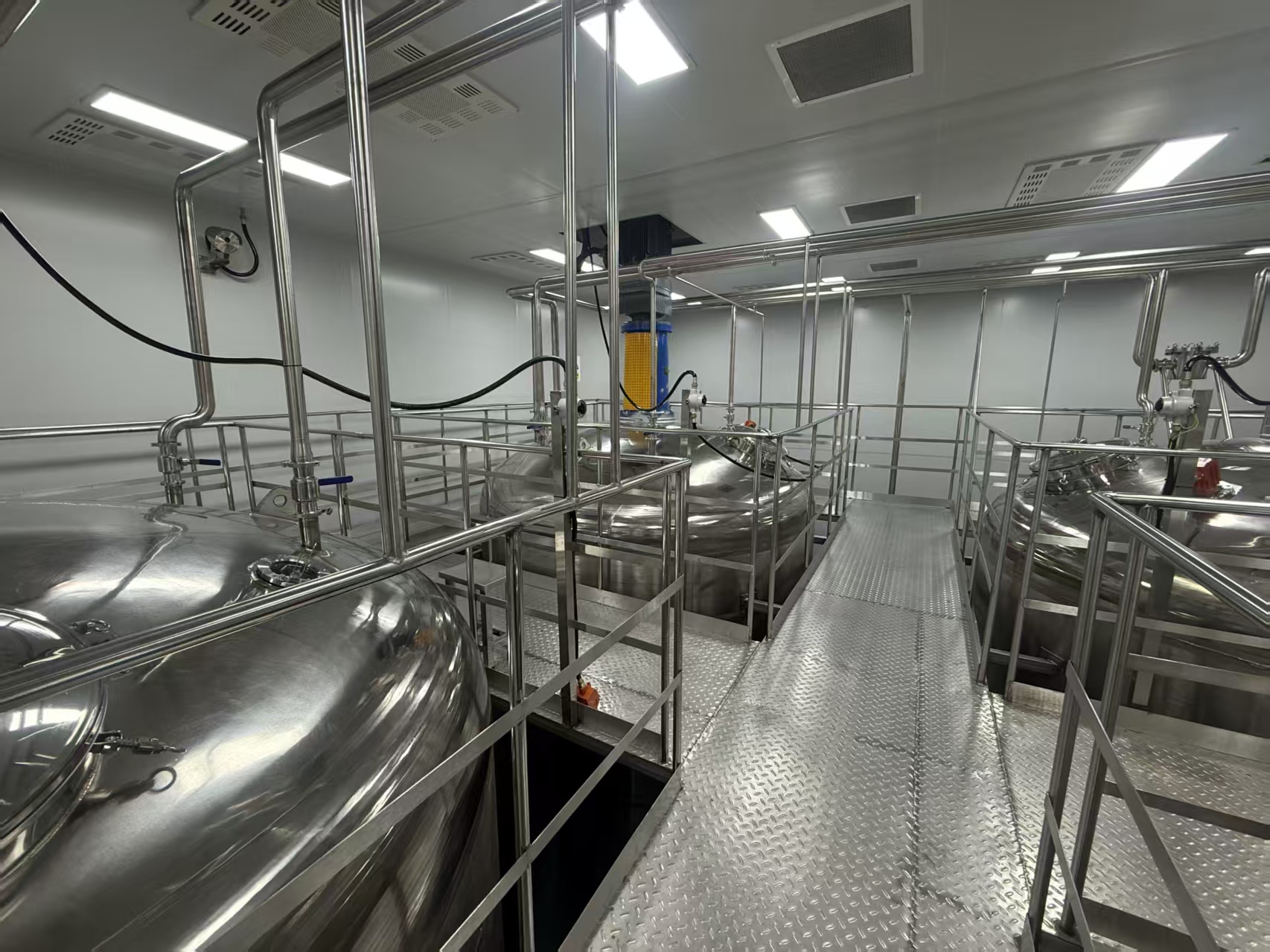
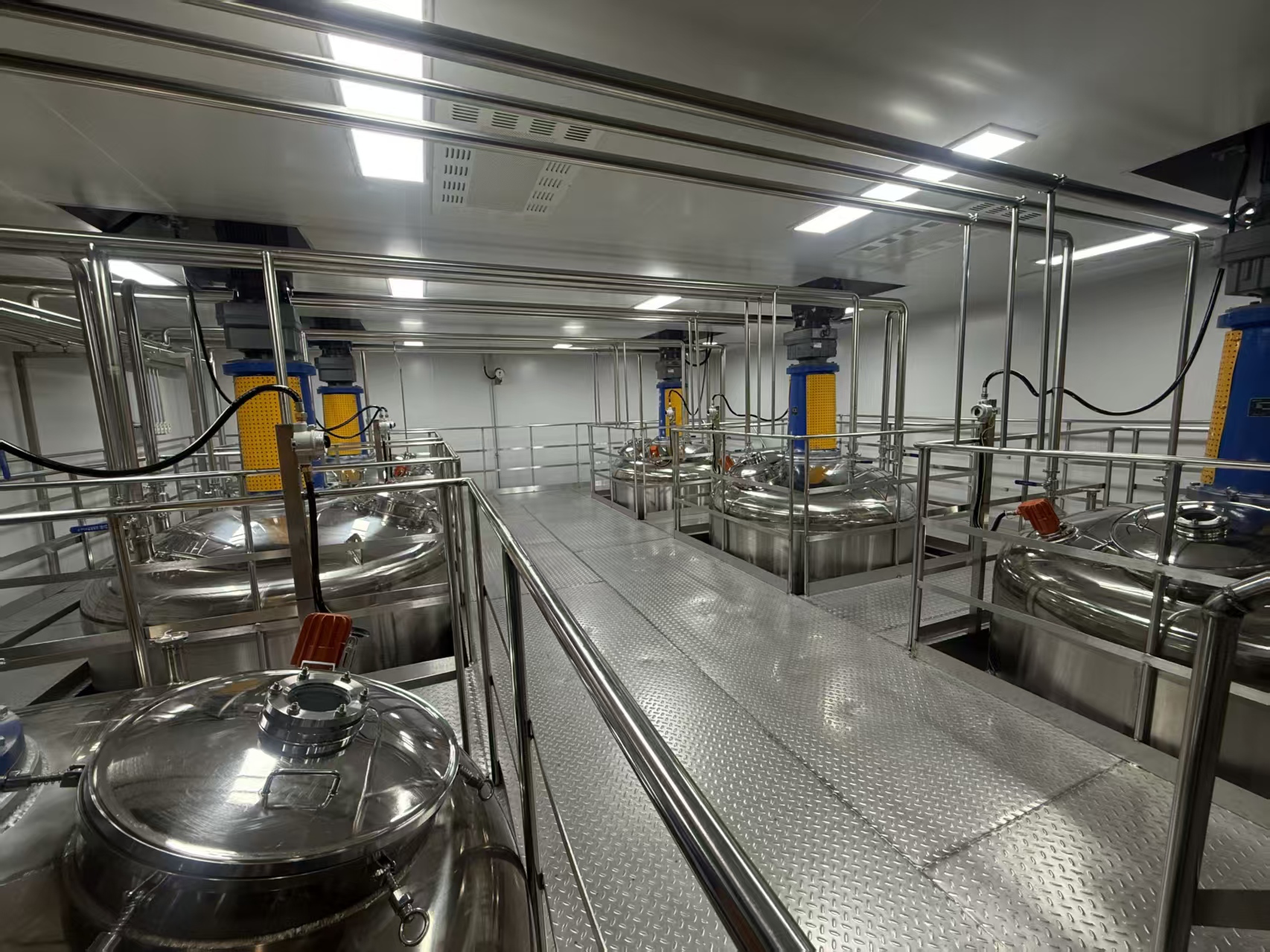
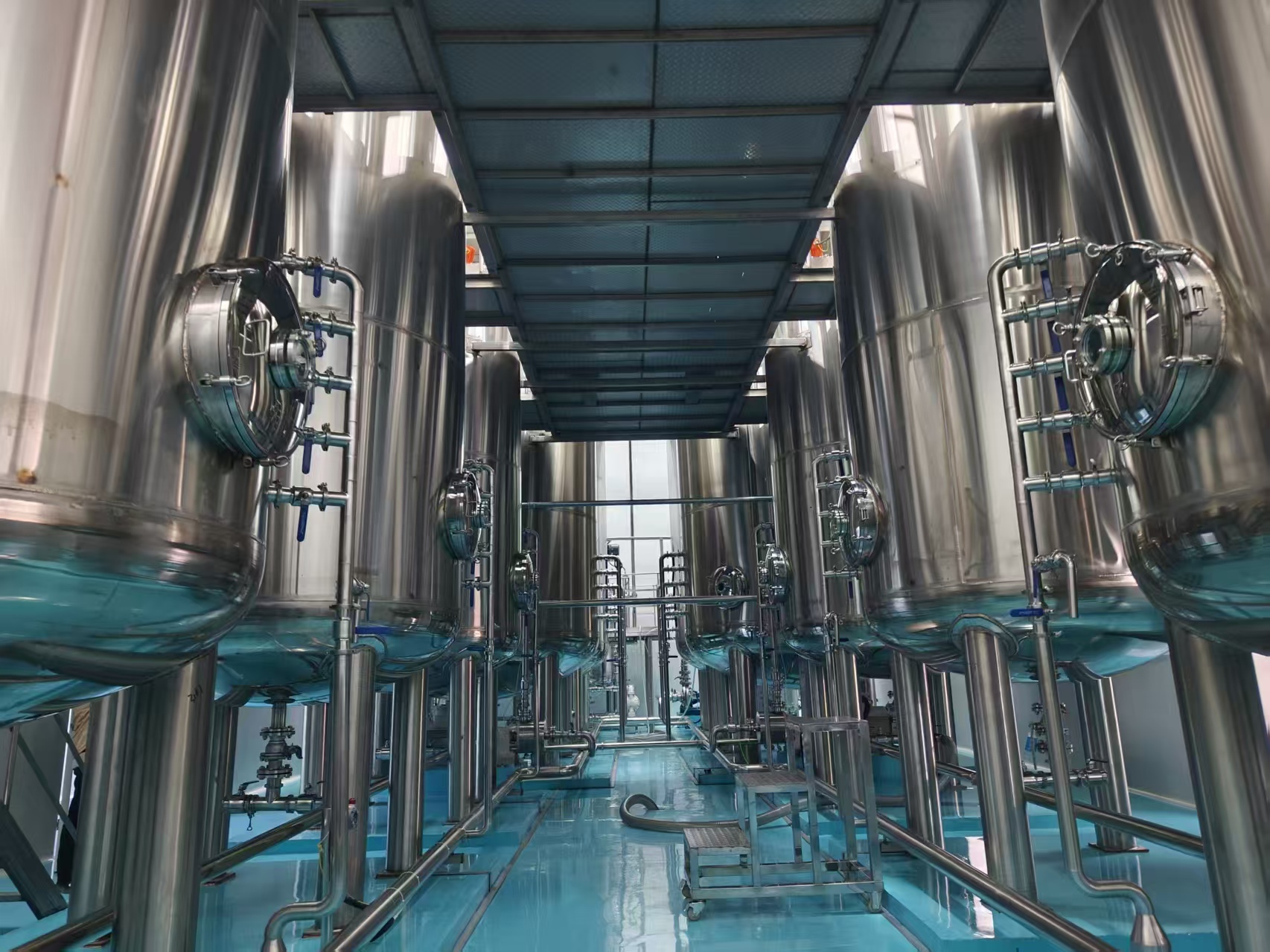
- Supply stability. A 30-day raw material inventory reserve, two independent fermentation workshops, and flexible shift production to handle bulk urgent orders.
- Compliance and certification. ISO9001, ISO22000, Kosher, Halal and Ecocert Cosmos certificates, annual third-party recertification, regular system audits, and a dedicated compliance team tracking EU and US food and cosmetic regulations.
- Quality control. Full-item inspection for every batch, an independent QC laboratory, support for customer-designated third-party testing, and full traceability records with unqualified batches rejected.
Frequently Asked Questions
Which certifications and regulatory categories should a buyer check first?
Two separate checks. For ingredient supply, Habier's qualification system includes ISO9001, ISO22000, HACCP, Kosher and Halal, and its organic cosmetic line holds Ecocert Cosmos and ISO 16128 certification. For market access, regulatory category is a different question: in China, NMPA Announcement No. 103 of 2022 states that medical sodium hyaluronate products that do not contain active pharmaceutical ingredients with pharmacological, metabolic or immunological action are managed as medical devices, with a classification no lower than Class II in the described cases. Certificates prove supply capability; regulatory classification governs whether you can sell the finished product.
Can one supplier cover food, cosmetic and pharma grades plus low, ultra-low and hydrolyzed variants?
Multi-grade sourcing from a single manufacturer is possible where the supplier runs the full portfolio. Habier's product range includes food grade, cosmetic grade and pharma grade sodium hyaluronate and hyaluronic acid, plus hydrolyzed, low, ultra-low, super-low, high and regular grade variants. The company operates a 50,000 m² site with 123 employees, a six-engineer R&D team and reported annual output of 600–700 MT, and holds two independent fermentation workshops for supply continuity.
What is the minimum order and what commercial terms apply?
Minimum order quantity is 1 kg, with FOB or CIF delivery terms. Acceptance is based on a pre-shipment full test with a COA report, and both third-party laboratory inspection and on-site factory inspection are supported. Payment mainly follows a high advance payment mode, with separate negotiation for large long-term clients. Because grade and molecular weight drive the specification, quotes should always be requested against a defined grade and band rather than as a generic enquiry.
Can I validate the material before committing to volume?
Yes. Free sample supply and quality tracking are part of the after-sales service, and sample validation is the normal first step before scale-up: check the certificate of analysis against the specification, run your own laboratory trial, and use third-party testing if your project or market requires an independent report. A practical next step is to request a sample and the technical data sheet for the specific grade and molecular weight band you intend to buy — Habier's team can be reached at jake@habier.com.
How do long-term buyers reduce lead-time and supply risk?
The measures that matter are inventory and capacity rather than promises. Habier reserves 30 days of raw material inventory, runs two independent fermentation workshops and uses flexible shift production for bulk urgent orders. Quality control includes 100% full inspection prior to delivery, backed by an independent QC laboratory, support for customer-designated third-party testing, and batch-level traceability. Together these reduce the two most common causes of disruption in this category: a single point of production failure and a specification that shifts quietly between batches.
Conclusion: Fix Two Variables, Then Buy
Sodium hyaluronate is one molecule sold under several names, three grade families and a series of molecular weight bands. The primer version of the answer is simple: grade tells you what the material is allowed to do and which documents come with it; molecular weight tells you how the chain behaves. Everything else — price comparison, sample validation, certification review, long-term supply planning — only becomes meaningful once those two variables are written down.
For buyers moving from evaluation into execution, the sequence is short. Fix the grade family. Fix the molecular weight band and the test method behind it. Request the document set and a sample. Then decide whether you are buying a single grade or building a multi-grade relationship that will carry your next few product launches. Habier publishes its full product range at www.habier.com.
Next Step: Sample, Specification or Full Catalogue
Shandong Habier Biopharma Co., Ltd. supplies food, cosmetic and pharma grade sodium hyaluronate and hyaluronic acid, including hydrolyzed, low, ultra-low, super-low, high and regular grade variants. To request a sample, a technical data sheet or a quotation against a defined grade and molecular weight band, contact Jake Chen at jake@habier.com or +86-186-0537-0487. The full company catalogue is available for download here: Habier product catalogue (PDF).
Shandong Habier Biopharma Co., Ltd. · 16F Building A, Xingguangtiandi International Square, Qufu City, Shandong, China 273100 · www.habier.com
Have Questions or Need More Details?
Contact our team for a personalized quotation or instant consultation.
Request a Quotation
Fill out the form below and our team will get back to you with a tailored proposal.
WhatsApp Direct Chat
Prefer to chat in real-time? Message us on WhatsApp for instant assistance & quick answers.
- Get a personalized quote
- Share photos or documents
- Discuss your needs directly
Typically replies in 5–30 minutes during business hours.