
What Is Sodium Hyaluronate? A Practical Guide for First-Time Buyers
What Is Sodium Hyaluronate? A Practical Guide for First-Time Buyers
Sodium hyaluronate is one of the most common names on raw material specification sheets for food, cosmetic, and pharmaceutical products. It also appears as hyaluronic acid, hyaluronic acid sodium salt, hydrolyzed sodium hyaluronate, low molecular weight sodium hyaluronate, or high molecular weight sodium hyaluronate. A first-time buyer who searches for sodium hyaluronate can find all of these terms within a few minutes and still not know which one to order.
This guide is written for buyers in the research stage. It explains the molecule, the commercial grades, the molecular weight terms, and the practical steps for selecting a product before contacting a supplier. Shandong Habier Biopharma Co.,LTD, a China-based manufacturer of hyaluronic acid and sodium hyaluronate, is used as a reference example because its catalog covers most of the grade categories discussed below.
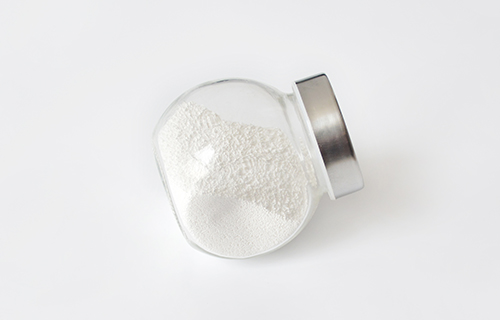
Sodium hyaluronate sample jar
Why Sodium Hyaluronate Sourcing Confuses First-Time Buyers
Sodium hyaluronate is not a single uniform product. It is sold in multiple grades and molecular weights, and suppliers describe them in different ways. Common problems include:
- The same material is labeled differently by different manufacturers.
- Grade names such as food grade, cosmetic grade, and pharma grade suggest the target industry but not the exact molecular weight.
- Terms such as low, ultra low, super low, and hydrolyzed are not strictly standardized, although they point to molecular weight ranges.
- Certification requirements differ depending on the application and destination market.
- Specification sheets often show parameters that are meaningful only if the buyer understands the terminology.
If these questions are not resolved early, a buyer can order a product that is not suitable for the intended formulation, fail an audit, or lose time in qualification. The rest of this article works through each of these points.
The Sodium Hyaluronate Market at a Glance
Sodium hyaluronate demand has expanded mainly because of cosmetic and medical applications. Published estimates help explain why the material matters.
According to Reports and Data, the global sodium hyaluronate raw material market was valued at approximately USD 504 million in 2024. A separate estimate from the same research provider puts the food grade sodium hyaluronate market at about USD 0.5 billion in 2024, with a compound annual growth rate of 8.5% projected through 2034. Grand View Research reports that the cosmetic grade segment held the largest share of the hyaluronic acid raw material market, accounting for 61.91% in 2025.
These figures come from different research scopes, so they should be treated as directional rather than directly comparable. The broader point is that sodium hyaluronate is a well-established raw material with continued demand in food, cosmetic, and pharmaceutical markets.
In China, sodium hyaluronate is also an established cosmetic ingredient. According to Plamed Group's review of China cosmetic ingredient filings in H1 2024, sodium hyaluronate remained a top-tier classic ingredient for hydrating masks and essences.
Shandong Habier Biopharma Co.,LTD is a relevant example in this category. The company was founded on May 14, 2015, and is located in Qufu City, Shandong Province, China. It operates a 50,000-square-meter manufacturing facility that employs approximately 123 staff, including an R&D team of 6 engineers. Its annual production capacity is 600 to 700 metric tons. About 20% of its products are exported, with major markets in the EU, USA, and Korea.
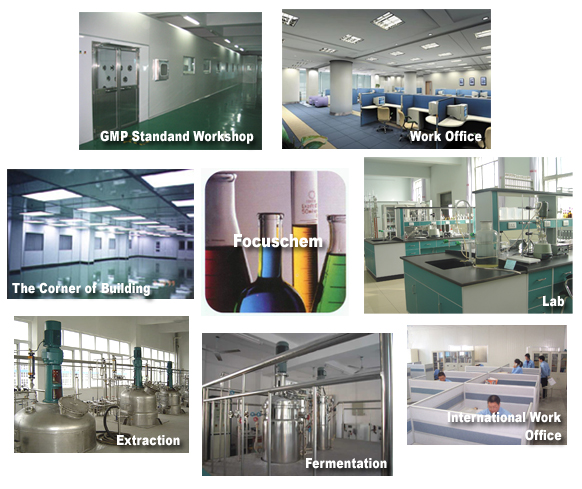
Factory workshop
What Is Sodium Hyaluronate?
Sodium hyaluronate is the sodium salt form of hyaluronic acid. It is a polysaccharide commonly used in formulations that need hydration, viscosity, or a viscoelastic texture. In commercial supply, sodium hyaluronate is available in various grades and molecular weights for different industries.
Shandong Habier Biopharma Co.,LTD defines its sodium hyaluronate as a product intended for the food, cosmetic, and pharmaceutical industries. Its catalog includes hyaluronic acid and sodium hyaluronate in food, cosmetic, pharma, hydrolyzed, low molecular weight, ultra low, super low, high molecular weight, and regular grades.
Sodium Hyaluronate vs. Hyaluronic Acid
The terms hyaluronic acid and sodium hyaluronate are often used interchangeably in the market, but they are not chemically identical. Hyaluronic acid is the nonsalt acid form. Sodium hyaluronate is the sodium salt form, which is commonly supplied as a powder and dissolves more readily in water-based formulas. Buyers may see both names on ingredient lists and in specification documents. When a supplier states that a product is sodium hyaluronate, it means the sodium salt form is the main component.
What Are the Commercial Grades?
Commercial sodium hyaluronate is commonly divided by intended application: food grade, cosmetic grade, and pharma grade. Each grade has a typical molecular weight range defined by the manufacturer.
In Habier's product specification, the ranges are:
- Food grade: 0.8 to 1.5 million Daltons
- Cosmetic grade: 1.0 to 1.5 million Daltons
- Pharma grade: minimum 2.0 million Daltons
- High molecular weight grade: minimum 2.0 million Daltons
- Low molecular weight grade: maximum 0.1 million Daltons
The grade name usually indicates the intended market and compliance framework. For pharma grade, recognized pharmacopoeial requirements apply in many markets. According to Princeton Powder Guide, pharma grade sodium hyaluronate must meet USP-NF, European Pharmacopoeia (EP), and JP standards, with endotoxin levels typically below 0.05 EU/mg.
What Does Molecular Weight Mean?
Molecular weight is measured in Daltons. In broad terms, high molecular weight sodium hyaluronate tends to provide surface hydration, film formation, and viscosity. Low molecular weight grades are usually selected when a lighter texture or faster absorption is desired. These are general product behaviors rather than universal specifications; the actual effect depends on the formulation.
From Habier's specification, the high molecular weight grade starts at a minimum of 2.0 million Daltons, while the low molecular weight grade is capped at a maximum of 0.1 million Daltons. This shows how far the range can stretch between the two categories.
Hydrolyzed, Ultra Low, and Super Low Molecular Weight
Hydrolyzed sodium hyaluronate and hydrolyzed hyaluronic acid are produced by breaking longer hyaluronic acid chains into shorter fragments. Hydrolysis is often used to create lower molecular weight products. Ultra low and super low are commercial descriptors that indicate progressively lower molecular weight ranges. Buyers should ask the supplier for the actual molecular weight specification instead of relying on these terms alone.
How to Choose the Right Sodium Hyaluronate Grade: A Step-by-Step Approach
The selection process below is suitable for first-time buyers who are still in the research stage.
Step 1: Define the Application and Target Market
The first question is not which grade should I buy. It is what product am I making and where will I sell it. A food manufacturer, a cosmetic formulator, and a pharmaceutical producer have different requirements even when they all use sodium hyaluronate.
Step 2: Choose the Grade Family
Once the application is clear, the grade family usually follows. Food products typically use food grade. Cosmetic and personal care products typically use cosmetic grade. Pharmaceutical or medical products typically use pharma grade.
Step 3: Match Molecular Weight to Function
After choosing the grade, consider molecular weight. If the formulation needs viscosity or surface hydration, a higher molecular weight range may be appropriate. If the finished product needs a light texture or faster absorption, a low or ultra low molecular weight grade may be more useful. The supplier should state the molecular weight range in the specification.
Step 4: Review the Specification Sheet and Certificates
A complete specification sheet should include grade, molecular weight, and applicable standards. For pharma applications, check compliance with pharmacopoeial standards and endotoxin levels. For food and cosmetic applications, check whether the supplier holds relevant certifications such as ISO 22000, ISO 9001, HACCP, Kosher, Halal, or organic standards.
Shandong Habier Biopharma Co.,LTD, for example, operates with a dual ISO certification system, HACCP, Kosher, and Halal. Its products are certified under both COSMOS organic and ISO 16128. Buyers should verify the specific certificate against their own market requirements.
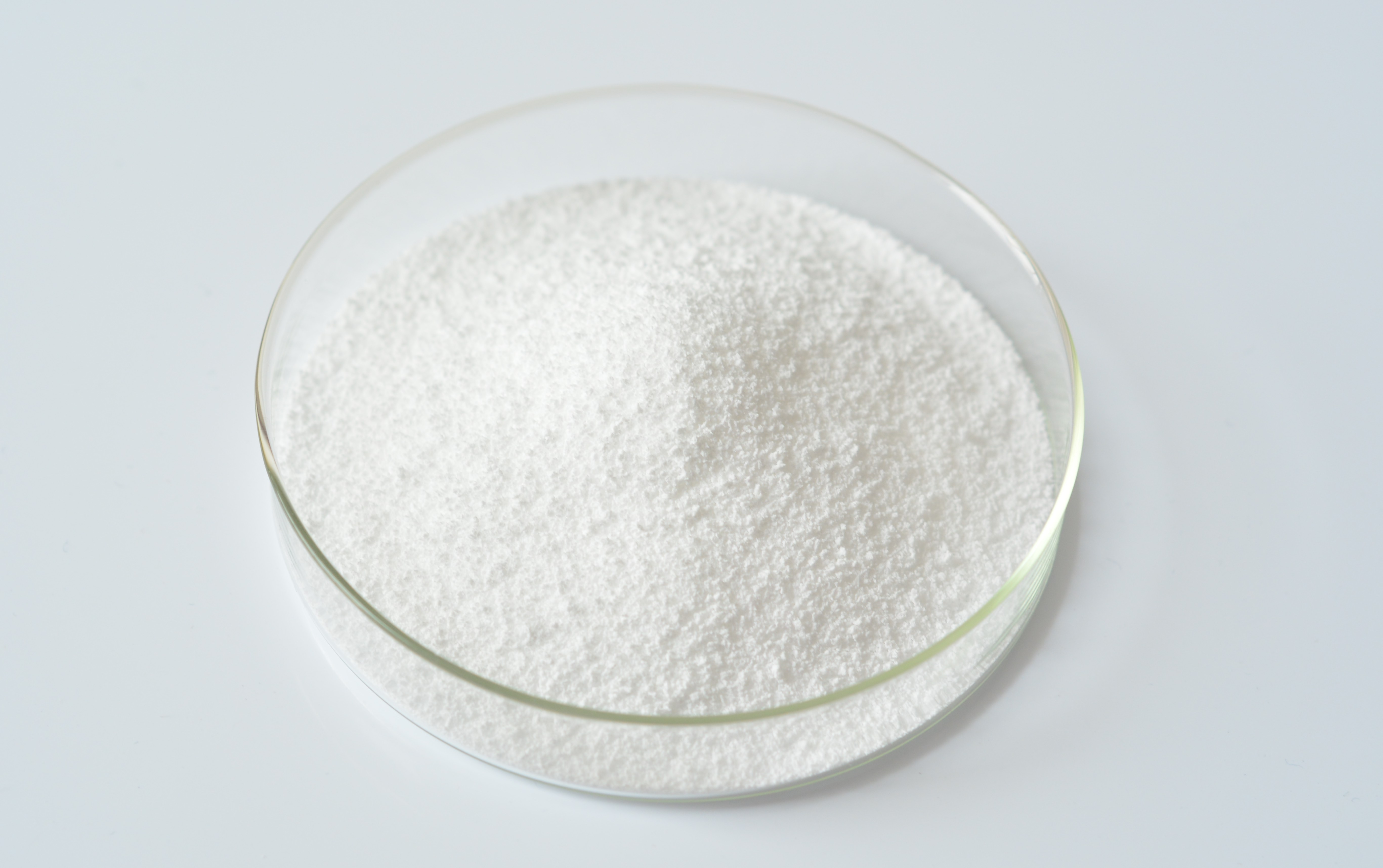
Quality verification sample
Step 5: Request a Sample and Run a Trial
Specification sheets do not replace actual evaluation. Ask the supplier for a sample, prepare a small batch, and verify appearance, dissolution, viscosity, and compatibility with your formulation before placing a bulk order.
Step 6: Confirm Packaging, Export Documentation, and Lead Time
Finally, confirm how the product will be packaged and shipped. Bulk packaging options used by suppliers include foil packs and carton pallet packaging. Buyers should also confirm lead time and required documentation before signing a purchase order.
Sodium Hyaluronate in Real Applications
Cosmetic Skincare Raw Material Blending
One common scenario is a cosmetic skincare raw material blending project. According to Habier's application notes, sodium hyaluronate is used in the pharmaceuticals and cosmetics industry for this type of project, especially in the United States. Its functions include acting as a humectant, viscosity modifier, filler, or viscoelastic material.
For medical or injectable grade products, special requirements include sterility and low microbial limits. Production typically uses low-temperature fermentation synthesis and aseptic cleanroom production. Equipment can include fermentation bioreactors, ultrafiltration purification equipment, sterile mixing tanks, vacuum emulsifiers, cleanroom filling machines, low-temperature drying ovens, and microbial and heavy metal testing instruments. Operations may run on a 24/7 basis.

Fermentation bioreactor
Food Grade Applications
Food grade sodium hyaluronate is a separate segment in the market. Reports and Data estimates the global food grade sodium hyaluronate market at approximately USD 0.5 billion in 2024, with a projected CAGR of 8.5% through 2034. Food manufacturers typically require food safety management certifications and clean production conditions. In Habier's specification, the food grade molecular weight range is 0.8 to 1.5 million Daltons.
Pharmaceutical and Medical-Grade Production
Pharma grade sodium hyaluronate is the most demanding category. Buyers in this segment must verify compliance with pharmacopoeial standards. According to Princeton Powder Guide, pharma grade sodium hyaluronate must meet USP-NF, European Pharmacopoeia (EP), and JP standards, with endotoxin levels typically less than 0.05 EU/mg. In Habier's specification, the pharma grade molecular weight is a minimum of 2.0 million Daltons.
Pharmaceutical buyers also look for stability, consistent batch quality, and a supplier that can document the entire production chain.
Sodium Hyaluronate Grade Comparison
The table below summarizes the molecular weight ranges available from Shandong Habier Biopharma for sodium hyaluronate grades.
| Grade / Type | Molecular Weight Range | Typical Application Focus |
|---|---|---|
| Food grade | 0.8 to 1.5 million Daltons | Food and supplement manufacturing |
| Cosmetic grade | 1.0 to 1.5 million Daltons | Cosmetic and personal care formulation |
| Pharma grade | Minimum 2.0 million Daltons | Pharmaceutical and medical applications |
| High molecular weight grade | Minimum 2.0 million Daltons | Formulations needing high molecular weight sodium hyaluronate |
| Low molecular weight grade | Maximum 0.1 million Daltons | Formulations needing low molecular weight sodium hyaluronate |
In addition, the company offers hydrolyzed sodium hyaluronate, hydrolyzed hyaluronic acid, ultra low molecular weight sodium hyaluronate, super low molecular weight sodium hyaluronate, and regular grade hyaluronic acid or sodium hyaluronate.
Frequently Asked Questions
What certifications should a sodium hyaluronate supplier hold for food, cosmetic, and pharma grades?
Pharma grade sodium hyaluronate must meet recognized pharmacopoeial standards such as USP-NF, European Pharmacopoeia (EP), and JP, with endotoxin levels typically below 0.05 EU/mg. For food and cosmetic applications, requirements vary by market. A supplier's certifications can include ISO 22000, ISO 9001, HACCP, Kosher, Halal, and organic standards such as COSMOS and ISO 16128. Always verify the certificate against the destination market.
What is the difference between hyaluronic acid and sodium hyaluronate?
Hyaluronic acid is the nonsalt acid form. Sodium hyaluronate is the sodium salt form, which is commonly supplied as a powder and is often preferred for water-based formulations. Both forms are sold commercially. Manufacturers such as Shandong Habier Biopharma produce both, with grades including food, cosmetic, pharma, hydrolyzed, low molecular weight, ultra low, super low, high molecular weight, and regular grade.
Can one supplier provide multiple grades and molecular weights?
Yes. Some manufacturers produce a full range. Shandong Habier Biopharma, for example, offers food, cosmetic, pharma, hydrolyzed, low, ultra low, super low, high molecular weight, and regular grades, with an annual production capacity of 600 to 700 metric tons. This can simplify qualification for buyers who need several variants.
What affects the price of sodium hyaluronate?
The price depends on grade, molecular weight, purity requirements, certifications, order volume, and packaging. A pharma grade with a minimum molecular weight of 2.0 million Daltons and low endotoxin limits will not be priced the same as a standard cosmetic grade. Buyers should request a quote with the exact specification before comparing prices.
How can a first-time buyer request samples and confirm lead time?
A first-time buyer should contact the supplier directly with the target grade, molecular weight, application, and destination market. Suppliers typically provide samples upon request. For example, buyers can reach Shandong Habier Biopharma at Jake@habier.com to request product information, samples, or a quotation. Lead time should be confirmed in writing when the purchase order is placed.
Conclusion and Next Step
Sodium hyaluronate is a mature and widely used ingredient, but it is not a single product. Grade, molecular weight, certification, and supplier capability all affect what you should buy. The safest sequence for a new buyer is to define the application, choose the grade family, match the molecular weight, review the specification and certificates, and test a sample.
Shandong Habier Biopharma Co.,LTD is a useful reference point for this category. The company was established on May 14, 2015, in Qufu City, Shandong Province, China, and operates a 50,000-square-meter facility with about 123 employees and an R&D team of 6 engineers. It produces 600 to 700 metric tons of hyaluronic acid and sodium hyaluronate annually and exports about 20% of its output to the EU, USA, and Korea.
If you are evaluating suppliers or need more information, you can download the company brochure here: Habier Brochure.
For direct inquiries, contact Jake Chen at Jake@habier.com or call +86-186-0537-0487. The company address is 16F Building A, Xingguangtiandi International Square, Qufu City, Shandong, China 273100.
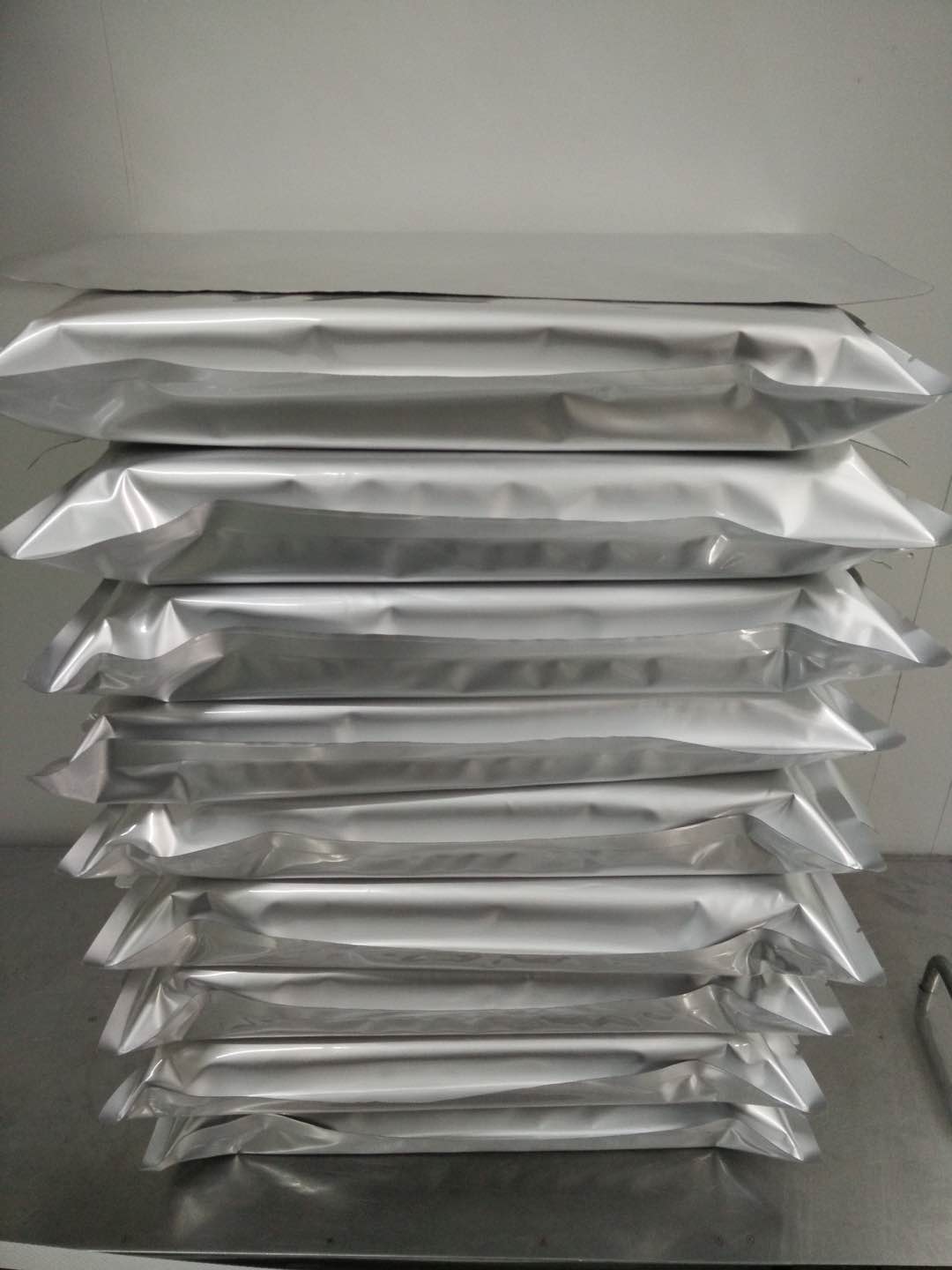
Aluminum foil pack bulk packaging
Have Questions or Need More Details?
Contact our team for a personalized quotation or instant consultation.
Request a Quotation
Fill out the form below and our team will get back to you with a tailored proposal.
WhatsApp Direct Chat
Prefer to chat in real-time? Message us on WhatsApp for instant assistance & quick answers.
- Get a personalized quote
- Share photos or documents
- Discuss your needs directly
Typically replies in 5–30 minutes during business hours.