
Sodium Hyaluronate Project Fit: Matching Grades to Cosmetic, Supplement & Pharma Scenarios
Sodium Hyaluronate Project Fit: Matching Supplier Grades and Molecular Weight to Your Application
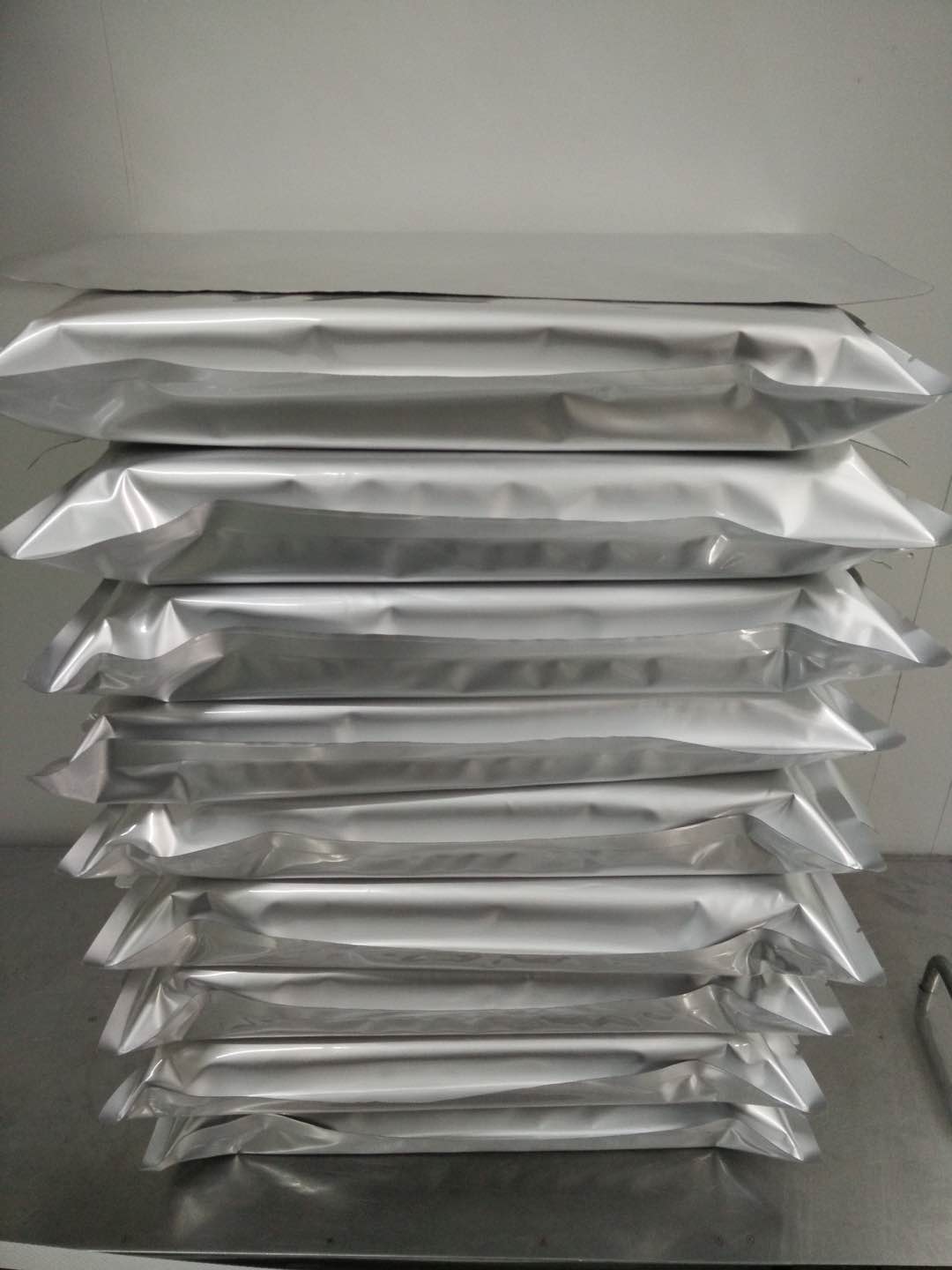
Sodium hyaluronate is the sodium salt form of hyaluronic acid and is often listed as hyaluronic acid sodium salt in raw material specification sheets. Buying teams also encounter it as food grade sodium hyaluronate, cosmetic grade sodium hyaluronate, pharma grade sodium hyaluronate, hydrolyzed sodium hyaluronate, or molecular weight-specific sodium hyaluronate. These names are not interchangeable in a project.
Project fit matters because the same ingredient family can be used in a cosmetic skincare blend, an oral health care supplement, or a medical cleanroom formulation. A supplier that documents product grades, molecular weight ranges, production conditions, and import compliance gives a buyer the information needed to make a confident decision. This guide explains how to map sodium hyaluronate specifications to project scenarios, using Shandong Habier Biopharma Co., Ltd as a working example.
Problem Definition: The Project Gap in Sodium Hyaluronate Buying Decisions
The most common buying mistake is comparing sodium hyaluronate price before confirming what the project actually needs. Two bags of sodium hyaluronate may look similar but can differ in grade, molecular weight, production process, or intended compliance. A cosmetic blending project may require a different grade from a food supplement project, and a pharmaceutical project may require a different set of limits for sterility and microbial contamination.
Another source of confusion is nomenclature. A spec sheet may say hyaluronic acid, while a purchase order may say sodium hyaluronate. Some product lines include regular grade hyaluronic acid alongside low molecule weight sodium hyaluronate, ultra low molecule weight sodium hyaluronate, super low molecule weight sodium hyaluronate, and hydrolyzed sodium hyaluronate. The project-fit question is not simply which ingredient family to buy, but which product form and supplier capability will perform correctly from formulation to finished batch.
Industry Background: Where Sodium Hyaluronate Demand Is Heading
In the global hyaluronic acid raw material market, cosmetic grade demand is substantial. Grand View Research reported in 2025 that the cosmetic grade segment held the largest raw material market share at 61.91%. That signal helps explain why so many US projects are now focused on cosmetic skincare raw material blending, where sodium hyaluronate is used as a humectant, viscosity modifier, or functional ingredient in skin care formulations.
At the same time, sodium hyaluronate is widely used beyond cosmetics. Natural cosmetic and health supplement importers in the US buy sodium hyaluronate for both cosmetic raw material blending and oral health care supplement raw material projects. Pharmaceutical grade sodium hyaluronate also remains an important category because it requires tighter production control. For buyers in the Research and Evaluation stages, this means supplier selection should include grade documentation, production environment fit, and regulatory evidence, not just ingredient pricing.
Detailed Solution: Match Sodium Hyaluronate Grades to Project Conditions
A practical sodium hyaluronate project-fit review should include four checks: chemical naming, grade and molecular weight, production environment, and supplier support capabilities.
These distinctions are not just marketing names. They help buyers and formulators communicate the exact molecular weight profile they expect. In the Habier product specification, the documented molecular weight ranges are as follows:
- Food grade sodium hyaluronate: 0.8–1.5 million Da.
- Cosmetic grade sodium hyaluronate: 1.0–1.5 million Da.
- Pharma grade sodium hyaluronate: min. 2.0 million Da.
- High molecule weight sodium hyaluronate: min. 2.0 million Da.
- Low molecule weight sodium hyaluronate: max. 0.1 million Da.
For a cosmetic skincare blending project, a buyer should confirm that the proposed sodium hyaluronate grade aligns with the target use and formulation. Habier documents cosmetic grade sodium hyaluronate at 1.0–1.5 million Da. For an oral supplement project, food grade sodium hyaluronate at 0.8–1.5 million Da is the documented option in the same product line. For a medical or injection-grade project, pharma grade sodium hyaluronate at minimum 2.0 million Da should be evaluated, and the project may require sterility and low microbial limits.
Production Environment as a Fit Factor
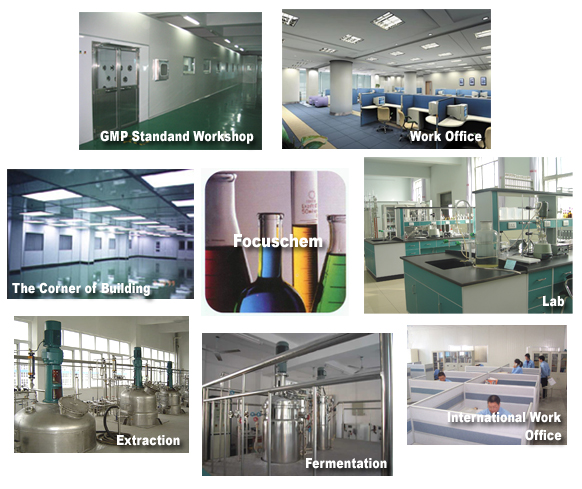
Factory and equipment conditions can determine whether a sodium hyaluronate product will meet a specific project specification.
Project fit also depends on the conditions in which sodium hyaluronate is produced. Habier states that its sodium hyaluronate line is designed for low-temperature fermentation synthesis and aseptic cleanroom production for medical and injection-grade environments. The operation runs continuously, and the supporting equipment list includes a fermentation bioreactor, ultrafiltration purification equipment, sterile mixing tank, vacuum emulsifier, cleanroom filling machine, low-temperature drying oven, and microbial and heavy metal testing instruments.
For a US buyer, these production details are not background noise. A cosmetic brand may want assurance about microbial control and cleanroom handling. An importer of supplement raw materials may want evidence of stable manufacturing. A pharmaceutical project may require an aseptic cleanroom environment and strict quality control. When a supplier can name the equipment and process conditions used, the buyer can compare that evidence against project expectations.
Supplier Capabilities That Change Project Feasibility
Beyond grade and equipment, the supplier’s production capability influences whether a project can move from sample stage to repeat orders. Habier reports a monthly capacity of 50–60 tons, a standard lead time of 5–8 days, and a minimum order quantity of 1 kg. The company also supports OEM and ODM orders and allows purity adjustment as a customization option. Every order is described as 100% inspected before delivery, which is important for buyers who need batch consistency in commercial production.
For first-time buyers, Habier’s after-sales support includes free sample supply and after-sales quality tracking. This combination helps a buyer test sodium hyaluronate in the actual formulation before scaling up.
Step-by-Step Breakdown: How to Confirm Sodium Hyaluronate Project Fit
Use the following steps to avoid the common mismatch between a sodium hyaluronate raw material and the real project specification.
- Define the application and regulatory route. Determine whether the finished product will be a cosmetic formulation, an oral supplement, a food ingredient application, or a medical or injectable product. This decision determines whether the project should reference food grade, cosmetic grade, or pharma grade sodium hyaluronate.
- Choose the target molecular weight profile. If the project specification already states high molecule weight, low molecule weight, ultra low molecule weight, or super low molecule weight sodium hyaluronate, include that information in the supplier inquiry. The documented molecular weight range should match the purchase specification.
- Verify the supplier product catalogue. Not every sodium hyaluronate supplier offers every grade form. Confirm that the supplier can provide the exact variant, such as hydrolyzed sodium hyaluronate, hydrolyzed hyaluronic acid, cosmetic grade sodium hyaluronate, or pharma grade hyaluronic acid.
- Ask about production and testing equipment. For projects with strict quality requirements, request evidence about low-temperature fermentation, aseptic cleanroom production, cleanroom filling, drying, and testing instruments for microbial and heavy metal limits.
- Validate with a sample, documentation, and a small order. A sample allows the formulation team to check powder behavior in the project medium. Compliance documents, including grade certificates and import-related documents, help confirm that the material can move through the intended supply chain.
For example, a US cosmetic skincare raw material blending project would normally need a cosmetic grade sodium hyaluronate that is consistent and can be handled in a mixing or emulsifying process. A project using sodium hyaluronate for oral health care supplement raw material would normally need a food grade or supplement-compatible specification. A project involving a medical cleanroom formulation would need to confirm sterility and low microbial limits from the start.
Use Case: A US Natural Cosmetic and Health Supplement Importer
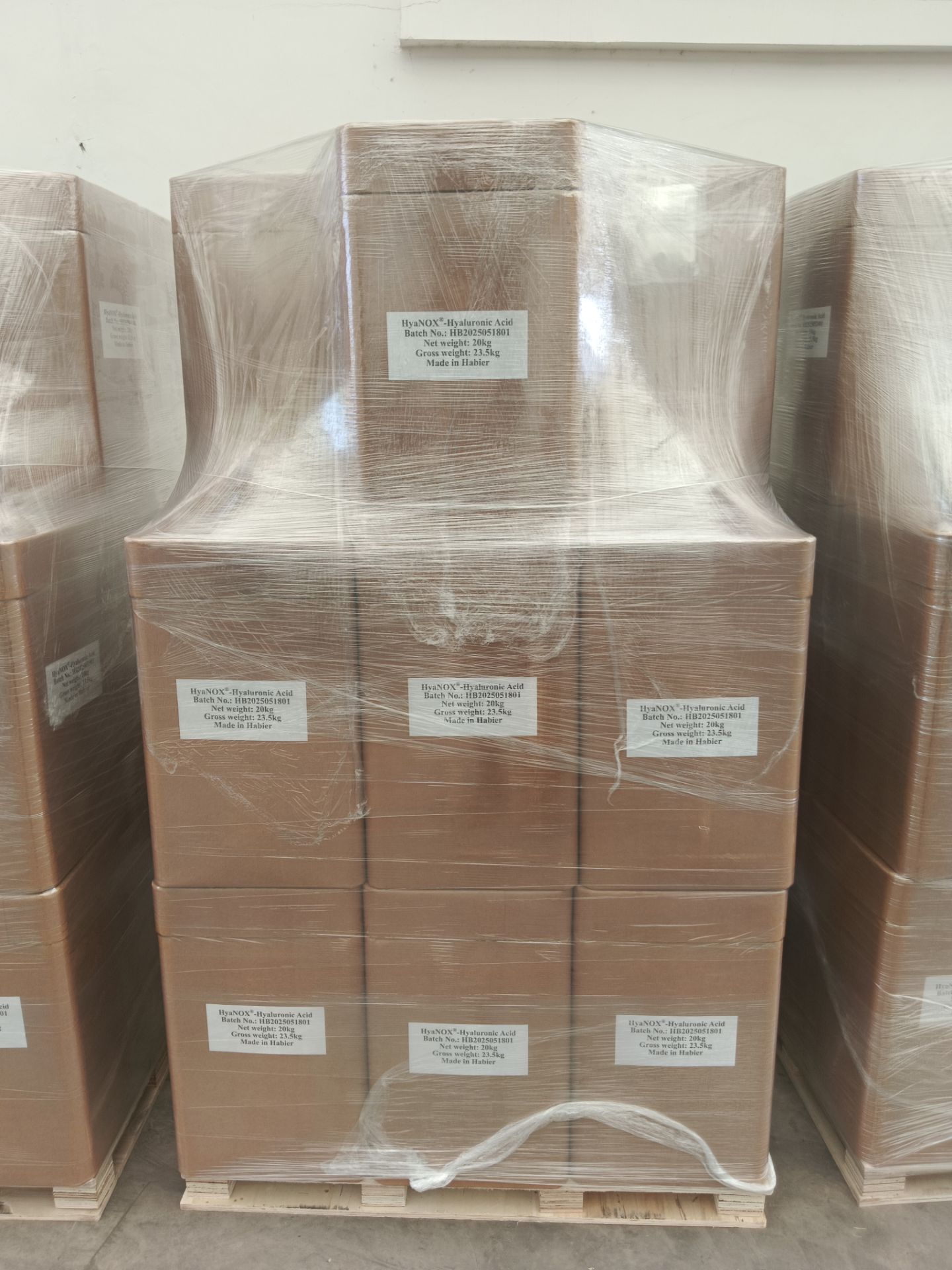
A documented Habier shipment to a US natural cosmetic and health supplement importer.
A documented scenario for sodium hyaluronate project fit comes from a US natural cosmetic and health supplement importer. This customer used the raw material both as a cosmetic raw material and as an oral health care supplement raw material. According to the case record, Shandong Habier Biopharma supplied 4,733 kg over a long-term stable period, supporting the customer’s laboratory, cosmetic, and oral care mass production requirements.
One of the most useful parts of this case is import compliance. The shipment was described as avian-origin raw material with complete official veterinary heat treatment certification, meeting US APHIS import standards. The case record also notes that smooth customs clearance was supported by a valid USDA import permit. For a buyer in the US, this shows that a sodium hyaluronate supplier should be able to provide documentation that supports a real import path, not just a product specification.
Comparison Table: Sodium Hyaluronate Grades for Project Planning
| Product Option | Documented Molecular Weight | Example Project Fit |
|---|---|---|
| Food grade sodium hyaluronate | 0.8–1.5 million Da | Oral health care supplement raw material and food-related formulation projects |
| Cosmetic grade sodium hyaluronate | 1.0–1.5 million Da | Cosmetic skincare raw material blending projects |
| Pharma grade sodium hyaluronate | Min. 2.0 million Da | Medical or injection-grade environments; may require sterility and low microbial limits |
| High molecule weight sodium hyaluronate | Min. 2.0 million Da | Projects that specify a high molecular weight sodium hyaluronate profile |
| Low molecule weight sodium hyaluronate | Max. 0.1 million Da | Projects that specify a low molecular weight sodium hyaluronate profile |
Molecular weight ranges in the table come from Habier product specification data. Independent pharma-grade guidance also references USP-NF, European Pharmacopoeia, and JP standards, with endotoxin levels typically below 0.05 EU/mg for pharma grade sodium hyaluronate.
FAQ: Sodium Hyaluronate Project Fit Questions
What is the difference between hyaluronic acid and sodium hyaluronate in a raw material purchase?
Sodium hyaluronate is the sodium salt form of hyaluronic acid. Suppliers may use sodium hyaluronate as the ingredient name and hyaluronic acid as the chemical family name. During project evaluation, confirm the exact grade and molecular weight because these details determine how the ingredient fits the finished product specification.
How do I decide whether my project needs food grade, cosmetic grade, or pharma grade sodium hyaluronate?
For an oral supplement or food-related project, food grade sodium hyaluronate is the usual starting point. Habier documents food grade at 0.8–1.5 million Da. For a cosmetic skincare blending project, cosmetic grade sodium hyaluronate is documented at 1.0–1.5 million Da. For a medical or injection-grade project, pharma grade sodium hyaluronate is documented at a minimum of 2.0 million Da, and the project may require sterility and low microbial limits.
Does Shandong Habier Biopharma offer low molecule weight and hydrolyzed sodium hyaluronate options?
Yes. The Habier product line includes sodium hyaluronate and hyaluronic acid across food, cosmetic, pharma, high molecule weight, low molecule weight, and regular grade categories. The catalogue also includes hydrolyzed sodium hyaluronate, hydrolyzed hyaluronic acid, ultra low molecule weight sodium hyaluronate, super low molecule weight sodium hyaluronate, and the corresponding low molecule weight hyaluronic acid forms. Buyers should confirm their exact target molecular weight with the supplier before placing an order.
What are the typical MOQ and sample conditions for a sodium hyaluronate project evaluation?
Habier lists a minimum order quantity of 1 kg and includes free sample supply in its after-sales support. The company reports a monthly production capacity of 50–60 tons, a standard lead time of 5–8 days, and 100% full inspection before delivery. OEM and ODM projects are supported, and purity adjustment is available as a customization option.
What documentation should a US buyer request for sodium hyaluronate import compliance?
For avian-origin sodium hyaluronate, buyers should request complete official veterinary heat treatment certification and confirm that the material meets US APHIS import standards. In a documented Habier use case, a valid USDA import permit supported smooth customs clearance. For current requirements, buyers should always confirm import documentation with their customs broker or USDA/APHIS resources before shipment.
Conclusion: Match the Raw Material to the Entire Project
Sodium hyaluronate procurement works best when it is treated as a project-fit exercise. The project defines the grade, the molecular weight, the production environment, and the documentation that should be reviewed before purchase. A cosmetic skincare blending project may need a different sodium hyaluronate specification from an oral supplement project, and both may differ from a pharma or injection-grade project.
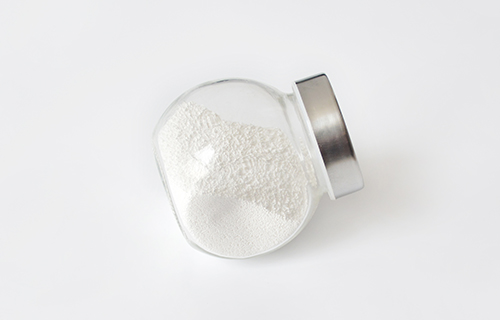
A sodium hyaluronate sample can help your team verify grade behavior before full production.
Validate the fit with a sodium hyaluronate sample
Shandong Habier Biopharma Co., Ltd supports project evaluation with free sample supply and OEM/ODM development. For grade recommendations, purity adjustment, pricing, and the full company brochure, contact Jake Chen at Jake@habier.com or visit www.habier.com.
Have Questions or Need More Details?
Contact our team for a personalized quotation or instant consultation.
Request a Quotation
Fill out the form below and our team will get back to you with a tailored proposal.
WhatsApp Direct Chat
Prefer to chat in real-time? Message us on WhatsApp for instant assistance & quick answers.
- Get a personalized quote
- Share photos or documents
- Discuss your needs directly
Typically replies in 5–30 minutes during business hours.