Sodium Hyaluronate Supply Partnership: A Long-Term Stability Checklist for Food, Cosmetic & Pharma Buyers
Sodium Hyaluronate Supply Partnership: A Long-Term Stability Checklist for Food, Cosmetic & Pharma Buyers
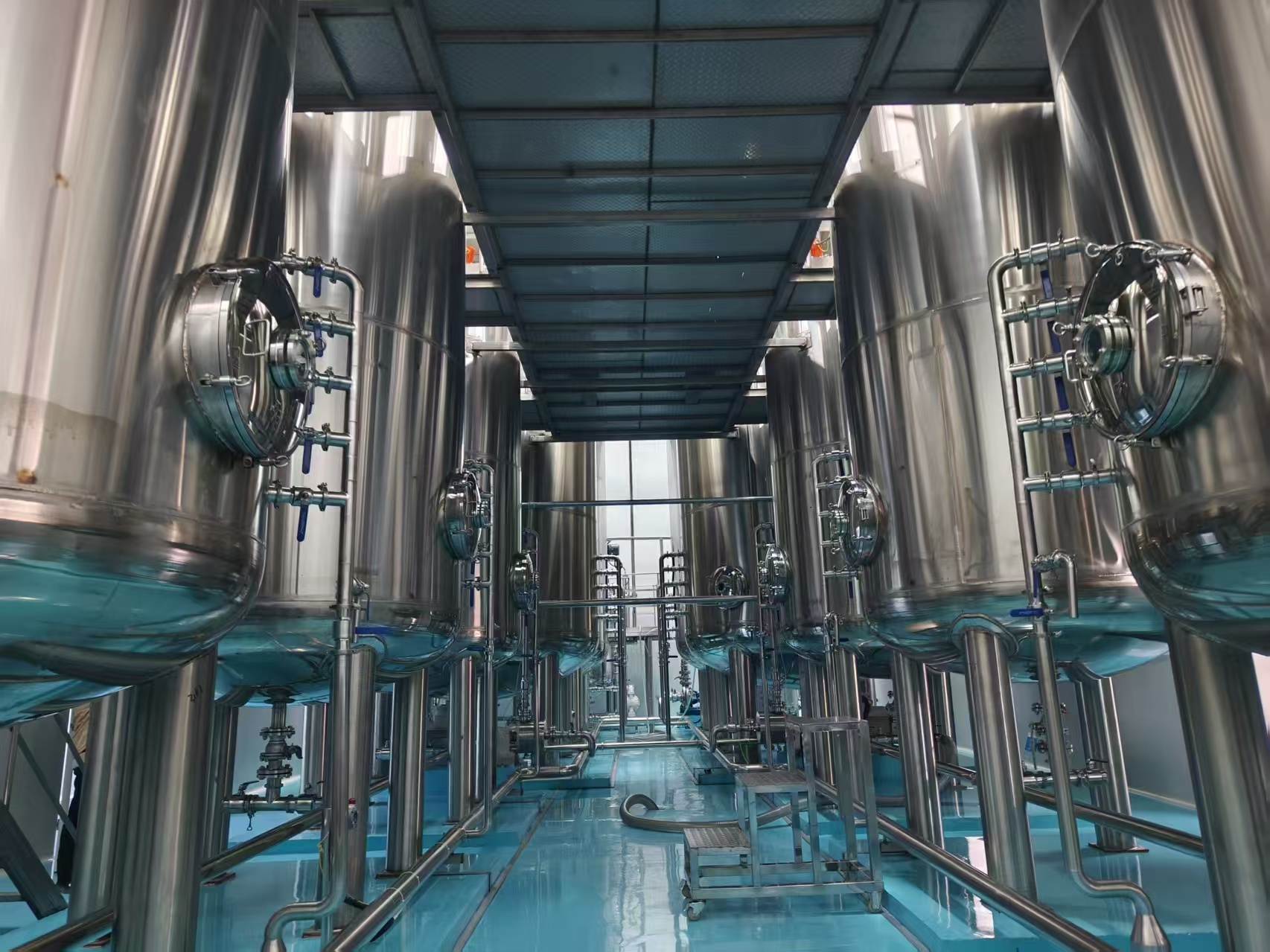
Buyers of sodium hyaluronate — also referred to as hyaluronic acid or hyaluronic acid sodium salt — rarely fail because of a single bad batch. More often, supply chains break down over repeated quality inconsistencies, missed delivery windows, unmanaged certification renewal, or a supplier that cannot scale when a product line grows. This article explains how procurement, R&D, and quality teams can evaluate a sodium hyaluronate manufacturer for long-term partnership, using Shandong Habier Biopharma Co., LTD as a working example.
What Does a Long-Term Sodium Hyaluronate Partnership Require?
A stable sodium hyaluronate supply partnership depends on four pillars: consistent product quality, reliable production capacity, documented compliance, and responsive after-sales support. Price matters at the negotiation stage, but continuity of supply and batch-to-batch consistency determine whether a partnership remains viable over multiple order cycles.
Shandong Habier Biopharma Co., LTD is a manufacturer of hyaluronic acid and sodium hyaluronate, established in 2015 and based in Qufu City, Shandong Province, China. The company supplies food grade, cosmetic grade, and pharma grade sodium hyaluronate, with an annual output of 600–700 MT and a 50,000 m² facility.
Why Supplier Stability Matters in Food, Cosmetic & Pharma Formulation
Sodium hyaluronate is used across food, cosmetic, and pharmaceutical applications because of its moisturizing, viscosifying, and biocompatible properties. The cosmetic grade segment held the largest hyaluronic acid raw material market share at 61.91% in 2025, according to Grand View Research. The global sodium hyaluronate raw material market was valued at approximately USD 504 million in 2024, driven by cosmetic and medical demand.
For formulators, switching sodium hyaluronate suppliers is not just a purchasing decision. Molecular weight, purity, viscosity, residual solvent profile, and endotoxin levels can each affect finished product behavior. A supplier that cannot maintain these parameters across batches introduces reformulation risk, regulatory risk, and brand risk.
What Makes a Supplier a Long-Term Partner Instead of a Vendor
In a mature ingredient category, the difference between a transactional vendor and a long-term partner shows up in manufacturing discipline, documentation, risk planning, and technical support.
Manufacturing Discipline
Shandong Habier Biopharma operates with uniform production SOPs, standardized fermentation and purification processes, and fixed production parameters. Each batch is monitored in real time for viscosity, molecular weight, and purity, then rechecked by a second laboratory. This level of process control directly addresses the most common cause of supplier switching: inconsistent quality between batches.
Documentation and Traceability
Quality control includes 100% full inspection before delivery. For regulated industries, this means a complete COA (Certificate of Analysis) for every batch, rejection of non-conforming product, and full traceability records. Buyers should treat documentation as a deliverable, not a courtesy.
Risk Planning
Supply disruptions can come from raw material shortages, production line failures, certification lapses, or sudden order spikes. Shandong Habier Biopharma addresses these with a 30-day raw material safety stock, two independent fermentation workshops, and flexible shift production to handle urgent bulk orders.
Technical After-Sales Support
Long-term partnerships also depend on how a supplier responds after delivery. Free sample supply and quality tracking are part of Shandong Habier Biopharma's after-sales services, along with customized molecular weight production and short lead times for repeat orders.
Evaluating Grade, Molecular Weight, and Application Fit
A long-term partnership must be built on the correct grade from the start. Sodium hyaluronate is commonly supplied in food grade, cosmetic grade, and pharma grade, each with different molecular weight expectations:
- Food grade: typically 0.8–1.5 Million Da
- Cosmetic grade: typically 1.0–1.5 Million Da
- Pharma grade: minimum 2.0 Million Da
- Low molecular weight grade: maximum 0.1 Million Da
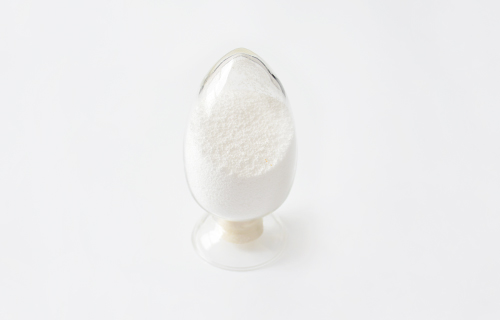
Shandong Habier Biopharma also supplies hydrolyzed sodium hyaluronate, hydrolyzed hyaluronic acid, ultra low molecular weight, super low molecular weight, high molecular weight, and regular grade sodium hyaluronate and hyaluronic acid. For pharma-grade projects, regulatory expectations are higher: pharma grade sodium hyaluronate must meet USP-NF, European Pharmacopoeia (EP), and JP standards, with endotoxin levels typically below 0.05 EU/mg.
Comparison: What to Benchmark Between Suppliers
When comparing peer sodium hyaluronate suppliers, whether domestic or international, buyers should evaluate five areas: molecular weight range, purity grades, test reports, price, and supply capacity. These five factors determine whether an ingredient will perform consistently in your formulation and whether the supplier can meet your order pattern over time.
The table below shows the criteria a buyer can use to benchmark suppliers and how those criteria translate into partnership value.
| Benchmark Criterion | Why It Matters for Long-Term Supply | What to Verify |
|---|---|---|
| Molecular weight range | Determines whether the grade fits the intended application and formulation behavior. | COA-reported molecular weight versus the supplier's stated range for each grade. |
| Purity grades | Food, cosmetic, and pharma applications have different purity and safety requirements. | Grade-specific specifications, including endotoxin limits for pharma grade. |
| Test reports | Documentation is the evidence that quality claims are true. | COA for every batch, third-party inspection support, and traceability records. |
| Price | Total cost of ownership includes re-testing, rejects, and supply delays. | Competitive cost position plus reliable delivery performance. |
| Supply capacity | Determines whether the supplier can absorb growth and urgent orders. | Annual output, production line redundancy, raw material stock, and lead times. |
Five Risks That Break Supply Partnerships (And How to Check Them)
Long-term supply relationships fail in predictable ways. Below are the five most common risk areas and the specific checks a buyer should run during supplier evaluation.
1. Quality Risk
Risk: Batch-to-batch variation in purity, molecular weight, or viscosity leads to reformulation or rejected finished products.
Check:Confirm that the manufacturer performs full-item inspection for every batch, operates an independent QC laboratory, and supports customer-designated third-party testing. Rejection of unqualified products with full traceability records is also a basic requirement.
2. Supply Stability Risk
Risk: The supplier cannot fulfill bulk orders or maintain delivery schedules during peak demand.
Check:Ask about production line layout, raw material inventory policy, and shift flexibility. In the case of Shandong Habier Biopharma, the company reserves 30 days of raw material inventory and operates two independent fermentation workshops to manage urgent orders.
3. Compliance / Certification Risk
Risk: Certifications expire or do not cover the markets you sell into.
Check:Verify that certifications are current and broad enough for your target markets. Shandong Habier Biopharma holds ISO9001, ISO22000, Kosher, Halal, and Ecocert Cosmos certificates, with a compliance team tracking EU and US food and cosmetic regulations.
4. Technical Consistency Risk
Risk: Even with the same nominal grade, process drift changes molecular weight or purity over time.
Check:Require strict molecular weight segmentation, standardized fermentation and purification processes, and fixed production parameters. Real-time online monitoring of viscosity, molecular weight, and purity, plus cross-laboratory rechecks, should be part of the standard operating procedure.
5. Documentation / Traceability Risk
Risk: Missing or incomplete documentation causes customs delays, audit findings, or regulatory rejection.
Check:Confirm that every batch includes pre-shipment full testing with a COA report, and that third-party laboratory inspection and on-site factory inspection are accepted.
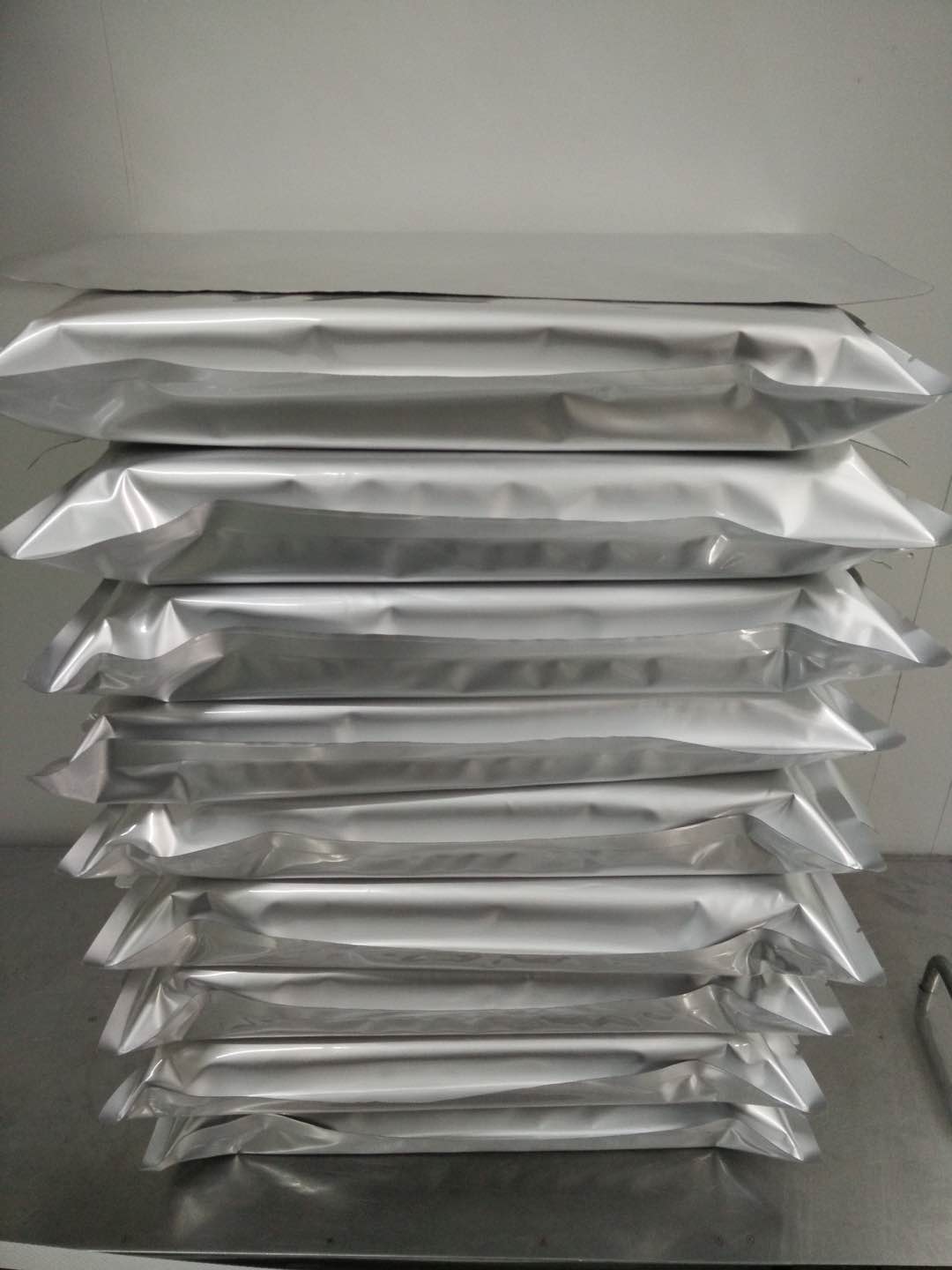
Step-by-Step Checklist for Building a Long-Term Sodium Hyaluronate Supply Partnership
Use the following workflow when qualifying or re-qualifying a sodium hyaluronate supplier.
- Define the required grade and molecular weight.Match the product to your application: food grade, cosmetic grade, pharma grade, low molecular weight, ultra low molecular weight, super low molecular weight, or high molecular weight.
- Audit the manufacturing system.Verify SOPs, fermentation and purification controls, real-time monitoring, and cross-laboratory batch checks.
- Review certification scope.Confirm ISO9001, ISO22000, Kosher, Halal, COSMOS, or other certifications relevant to your markets.
- Inspect the QC system.Require full-item inspection for every batch, an independent QC laboratory, and third-party testing options.
- Evaluate supply capacity.Check annual output, raw material safety stock, number of fermentation workshops, and shift flexibility.
- Test the documentation process.Request a sample COA and evaluate how easily the supplier provides traceability records.
- Run a trial order.Validate quality, packaging, documentation, and lead time on a small order before committing to a long-term contract.
- Define after-sales support.Confirm sample supply, quality tracking, and the process for resolving quality disputes.
Use Case: Scaling from R&D Sample to Bulk Production
A cosmetics manufacturer developing a hydrating serum typically starts with a small sample of low or ultra low molecular weight sodium hyaluronate. After formula validation, the buyer needs to scale to bulk production without changing the ingredient's performance profile. In this scenario, the supplier must be able to reproduce the same molecular weight and purity at production scale, provide full COA documentation for each batch, and maintain delivery timelines as order volumes grow.
Sodium hyaluronate remains a top-tier classic ingredient for hydrating masks and essences, according to Plamed Group's review of China's cosmetic ingredient filings in H1 2024. For brands relying on hydration claims, ingredient consistency is not optional.
Use Case: Managing a Multi-Grade Procurement Portfolio
A distributor or finished-goods manufacturer may need food grade, cosmetic grade, and pharma grade sodium hyaluronate simultaneously. Working with a single supplier across multiple grades reduces supplier qualification workload, simplifies documentation, and improves negotiating leverage. The key is to verify that the manufacturer can produce each grade under controlled conditions and provide grade-specific COAs.
What to Expect from Shandong Habier Biopharma as a Long-Term Partner
Shandong Habier Biopharma Co., LTD is positioned as a manufacturer serving food, cosmetic, and pharmaceutical customers, with a 600–700 MT annual output and an export ratio of 20% to the EU, USA, and Korea. The company describes its competitive position as offering the most competitive cost among peer suppliers, consistent stable quality indicators, complete test documentation, and reliable large-scale production capacity.
For buyers, these statements translate into three practical benefits: a stable long-term stock supply, customized molecular weight production with short lead times, and professional technical after-sales support.

FAQ
Is Shandong Habier Biopharma a qualified supplier for food, cosmetic, and pharma grade sodium hyaluronate?
Shandong Habier Biopharma Co., LTD supplies food grade, cosmetic grade, and pharma grade sodium hyaluronate. The company holds ISO9001, ISO22000, Kosher, Halal, and Ecocert Cosmos certificates, and its products are certified as both organic COSMOS and ISO16128.
What molecular weight grades does Shandong Habier Biopharma offer?
Shandong Habier Biopharma offers regular grade, high molecular weight (minimum 2.0 Million Da), low molecular weight (maximum 0.1 Million Da), ultra low molecular weight, super low molecular weight, and hydrolyzed forms of sodium hyaluronate and hyaluronic acid. Food grade is typically 0.8–1.5 Million Da, cosmetic grade 1.0–1.5 Million Da, and pharma grade minimum 2.0 Million Da.
What is the MOQ and what delivery terms are available?
The MOQ is 1 kg, which makes trial orders accessible for R&D and small-batch production. Delivery terms include FOB and CIF. Large long-term clients can negotiate payment terms separately, while the standard model is a high advance payment mode.
What quality documentation does the buyer receive?
Quality control includes 100% full inspection before delivery. Each batch is subject to pre-shipment full testing with a COA report. The company also supports customer-designated third-party laboratory inspection and on-site factory inspection.
Can Shandong Habier Biopharma supply customized molecular weight grades on a long-term basis?
Yes. Customized molecular weight production is part of the company's stated capability, supported by stable long-term stock supply and short lead times. Technical after-sales support includes free sample supply and quality tracking.
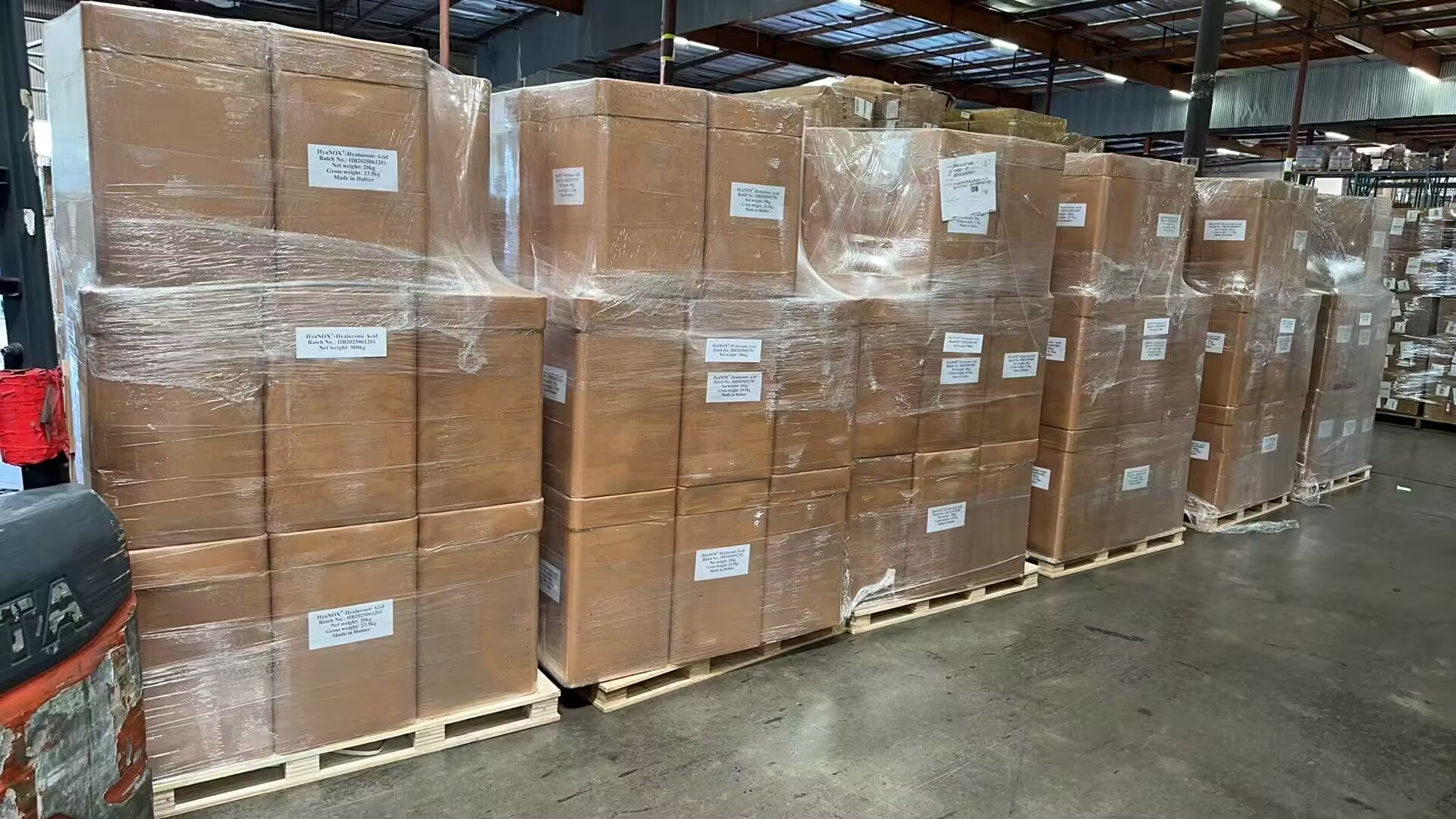
Next Step for Buyers
Long-term supply partnerships are built on evidence, not promises. Start by requesting samples and COA documentation for the specific grade your project requires, verify the supplier's certifications against your target markets, and run a trial order before committing to volume. Shandong Habier Biopharma welcomes sample requests and quality inquiries through its website at www.habier.com or by contacting Jake Chen at Jake@habier.com / +86-186-0537-0487.
For a full overview of the company's product lines and manufacturing capabilities, download the Shandong Habier Biopharma brochure.
Have Questions or Need More Details?
Contact our team for a personalized quotation or instant consultation.
Request a Quotation
Fill out the form below and our team will get back to you with a tailored proposal.
WhatsApp Direct Chat
Prefer to chat in real-time? Message us on WhatsApp for instant assistance & quick answers.
- Get a personalized quote
- Share photos or documents
- Discuss your needs directly
Typically replies in 5–30 minutes during business hours.