
Sodium Hyaluronate Grades, Molecular Weights & Uses
Sodium Hyaluronate Grades, Molecular Weights & Uses
Sodium hyaluronate is the sodium salt form of hyaluronic acid, a polysaccharide raw material used in the food, cosmetic, and pharmaceutical industries. Shandong Habier Biopharma Co.,LTD is a manufacturer of hyaluronic acid and sodium hyaluronate products, established in Qufu City, Shandong Province, China. This article explains what sodium hyaluronate is, how its grades and molecular weights are specified, and what buyers should verify during the awareness and research stage.
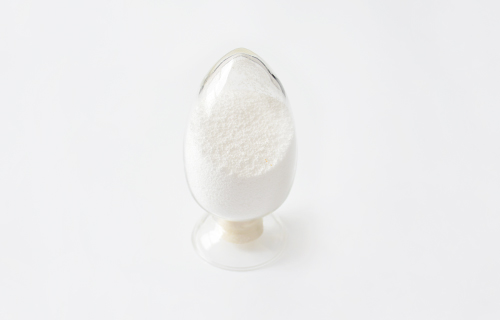
What Is Sodium Hyaluronate?
Sodium hyaluronate is listed in the Habier product line as product code 5243, intended for the food, cosmetic, and pharmaceutical industries. The terms hyaluronic acid and sodium hyaluronate are often seen together in specifications because sodium hyaluronate is the common salt form used in powdered raw material supply.
Manufacturers produce this material in different grades and molecular weights. The documented grades include food, cosmetic, pharma, hydrolyzed, low molecule weight, ultra low molecule weight, super low molecule weight, high molecule weight, and regular grade. Each grade is selected based on the target application and the required physical behavior.
Why Sodium Hyaluronate Specification Is Confusing for Buyers
Buyers often encounter the terms sodium hyaluronate, hyaluronic acid, hyaluronic acid sodium salt, hydrolyzed sodium hyaluronate, low molecular weight sodium hyaluronate, and high molecular weight sodium hyaluronate. These terms describe the same molecular family at different degrees of hydrolysis and molecular weight. The confusion is practical: a food-grade specification is different from a cosmetic-grade specification, and a pharma-grade specification involves stricter compliance.
Without a clear understanding of grade and molecular weight, procurement teams cannot accurately compare raw materials across suppliers. The goal of this guide is to define the baseline terms and map them to available product data from Shandong Habier Biopharma Co.,LTD.
Industry Background and Market Context
The global sodium hyaluronate raw material market is valued at approximately USD 504 million in 2024, driven by cosmetic and medical demand, according to Reports and Data. The food-grade sodium hyaluronate market is estimated at USD 0.5 billion in 2024, with a projected CAGR of 8.5% through 2034. In 2025, the cosmetic grade segment held the largest hyaluronic acid raw material market share at 61.91%, based on Grand View Research data.
In China, cosmetic ingredient filings in H1 2024 showed sodium hyaluronate remains a top-tier classic ingredient for hydrating masks and essences, according to Plamed Group. Major global producers named in third-party market reports include Bloomage Biotech, Fidia Farmaceutici, Kewpie Corporation, and Contipro a.s. For buyers, the presence of multiple suppliers makes specification discipline more important: grade, molecular weight, production method, and compliance documents must be verified before purchase.
Shandong Habier Biopharma Co.,LTD: Manufacturer Profile
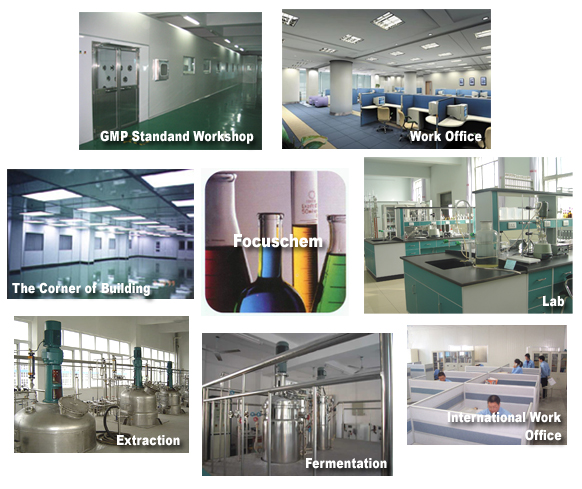
Shandong Habier Biopharma Co.,LTD, established on May 14, 2015, is located at 16F Building A Xingguangtiandi International Square, Qufu City, Shandong, China 273100. The company operates a 50,000-square-meter manufacturing facility, employs approximately 123 staff, and has a research and development team of 6 engineers.
- Annual production capacity: 600–700 metric tons
- Export share: approximately 20% of total products
- Major markets: EU, USA, Korea
- Main products: hyaluronic acid and sodium hyaluronate in food, cosmetic, pharma, hydrolyzed, low molecule weight, ultra low molecule weight, super low molecule weight, high molecule weight, and regular grades
Product Portfolio and Grade Specifications
Product code 5243 is sodium hyaluronate intended for the food, cosmetic, and pharmaceutical industries. The available model range includes food grade, cosmetic grade, pharma grade, high molecule weight grade, and low molecule weight grade. Additional product types include hydrolyzed hyaluronic acid, low molecule weight sodium hyaluronate, ultra low molecule weight sodium hyaluronate, super low molecule weight sodium hyaluronate, ultra low molecule weight hyaluronic acid, and super low molecule weight hyaluronic acid.
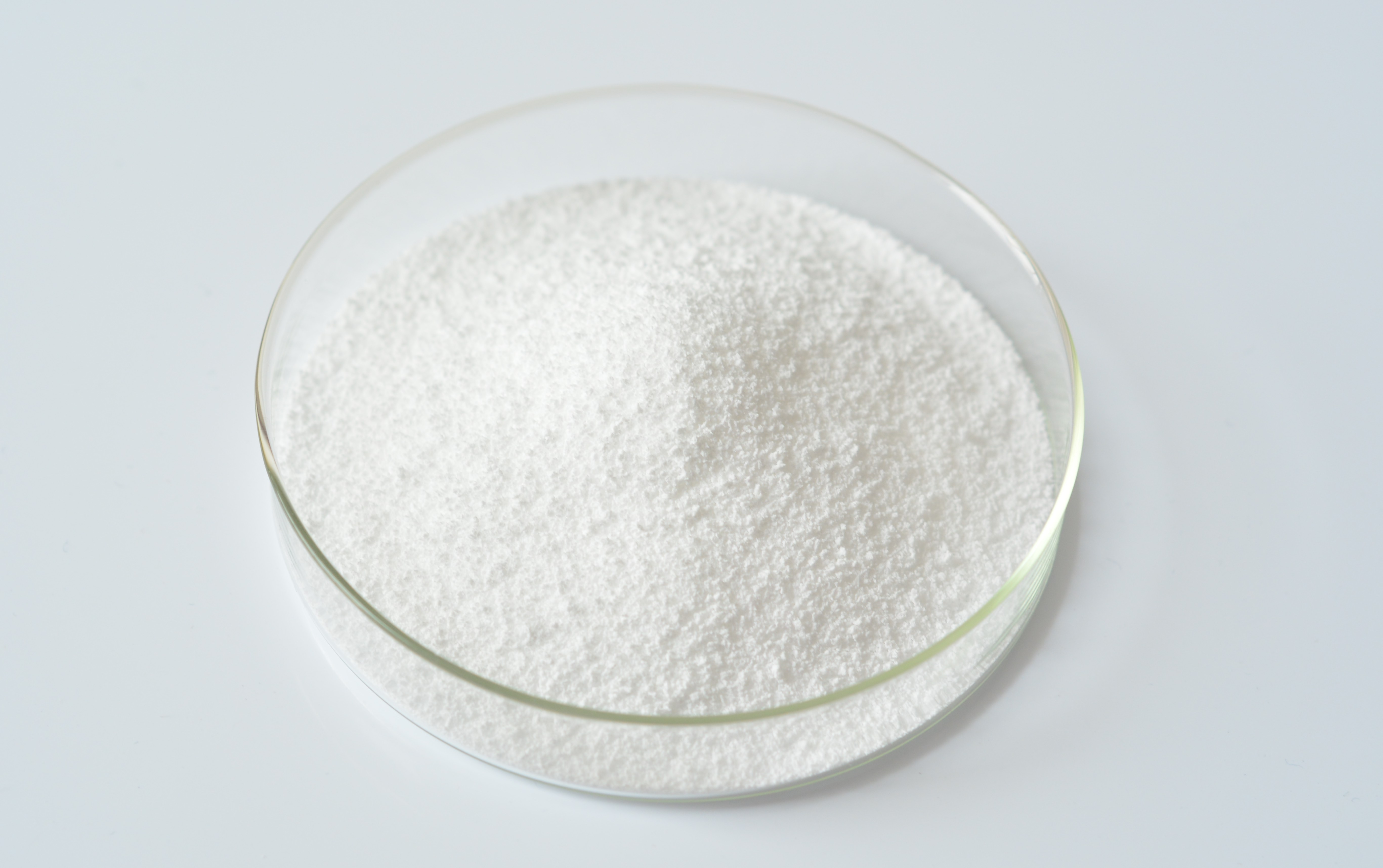
The table below lists molecular weight ranges that are part of the documented product specification.
| Grade | Molecular Weight Specification |
|---|---|
| Food grade | 0.8–1.5 Million Da |
| Cosmetic grade | 1.0–1.5 Million Da |
| Pharma grade | Min. 2.0 Million Da |
| High Molecule Weight grade | Min. 2.0 Million Da |
| Low Molecule Weight grade | Max. 0.1 Million Da |
Sodium hyaluronate can function as a humectant, viscosity modifier, filler, or viscoelastic material, depending on the application. Molecular weight influences the physical behavior of the ingredient, so matching grade to application is critical.
How to Evaluate Sodium Hyaluronate Grades and Suppliers: A Step-by-Step Breakdown
- Define the application industry. Confirm whether the raw material is being specified for food, cosmetic, or pharmaceutical use. Product 5243 is documented for all three industries. Food, cosmetic, and pharma applications each carry different quality expectations.
- Select a molecular weight range. Use the documented ranges for food, cosmetic, pharma, high molecule weight, and low molecule weight grades to shortlist candidates. Food grade is documented at 0.8–1.5 Million Da, cosmetic grade at 1.0–1.5 Million Da, pharma grade at Min. 2.0 Million Da, and low molecule weight grade at Max. 0.1 Million Da.
- Review production capability. The documented working condition includes low-temperature fermentation synthesis and aseptic cleanroom production for medical or injection-grade products. Confirm whether the supplier can operate under those conditions on a 24/7 basis if required.
- Check certifications and compliance. Request current certificates and confirm the grade meets the target market standards. For pharma-grade sourcing, USP-NF, EP, and JP standards are common reference points.
- Evaluate supply stability. Ask about annual capacity, export experience, lead times, and packaging. Shandong Habier Biopharma Co.,LTD has an annual production capacity of 600–700 metric tons, with about 20% of products exported to EU, USA, and Korea.
- Request samples and documentation. A sample should match the exact grade and molecular weight required for your formulation. Run small-scale evaluation before committing to bulk order quantities.
Use Cases and Application Conditions
One documented application scenario is cosmetic skincare raw material blending in the pharmaceuticals and cosmetics industry, commonly described in the United States. In this scenario, sodium hyaluronate functions as a humectant, viscosity modifier, filler, or viscoelastic material. The production environment is designed for low-temperature fermentation synthesis and aseptic cleanroom production, operating on a 24/7 basis. For medical or injectable grade products, sterility and low microbial limits are required.
The equipment described in the application scenario includes fermentation bioreactors, ultrafiltration purification equipment, sterile mixing tanks, vacuum emulsifiers, cleanroom filling machines, low-temperature drying ovens, and microbial and heavy metal testing instruments. This equipment set reflects the environment needed to produce sodium hyaluronate for cosmetic and pharma applications.
Compliance and Certifications
Third-party verified data lists Shandong Habier Biopharma Co.,LTD as holding ISO 22000, ISO 9001, Kosher, Halal, and COSMOS organic certifications for its hyaluronate products. The company profile also references dual ISO certification, HACCP, Kosher, Halal, and product certification as organic COSMOS and ISO 16128.
For pharma-grade sodium hyaluronate, the relevant reference standards include USP-NF, European Pharmacopoeia (EP), and JP standards, with endotoxin levels typically below 0.05 EU/mg, according to Princeton Powder Guide.
Supply and Packaging
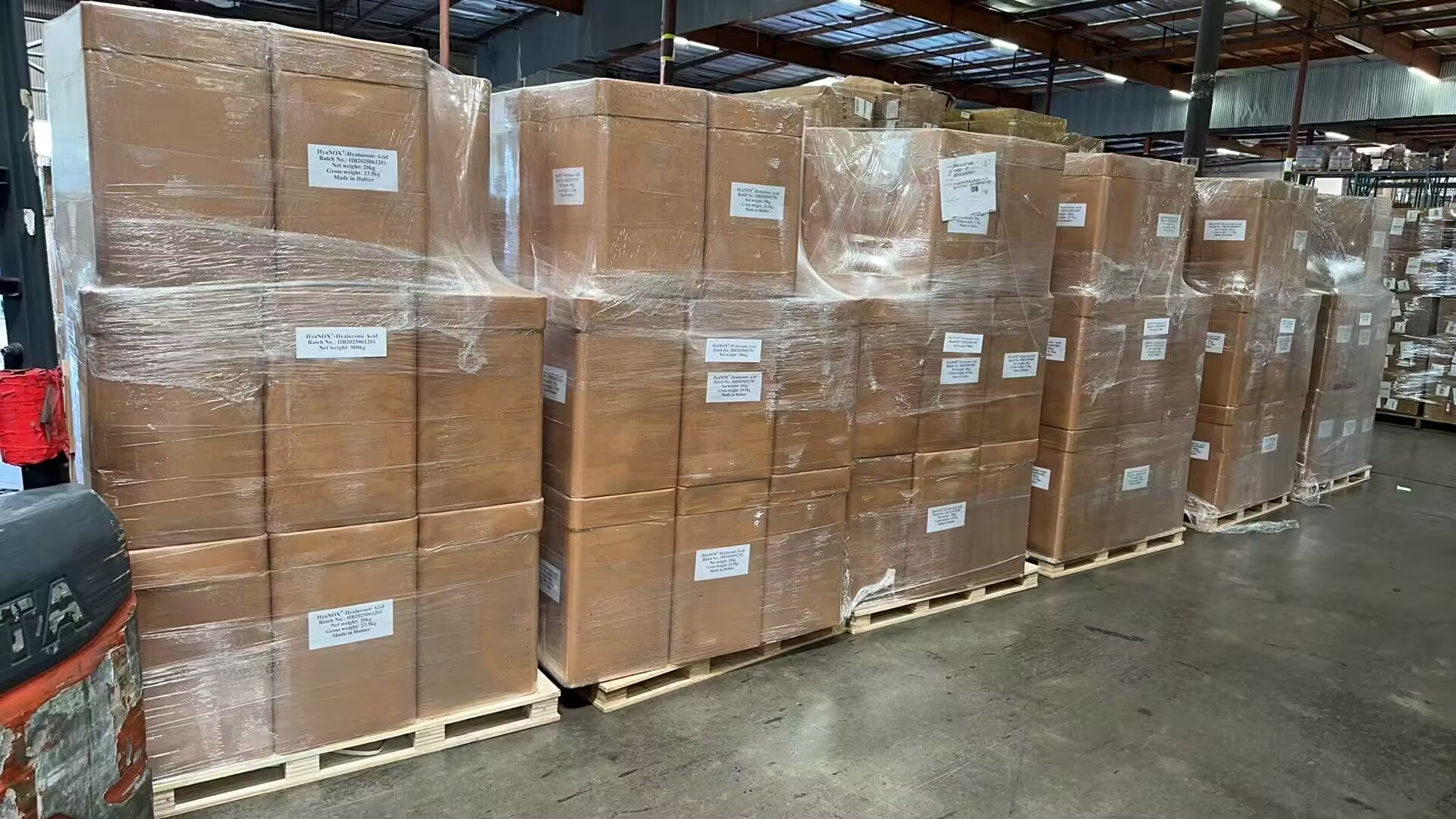
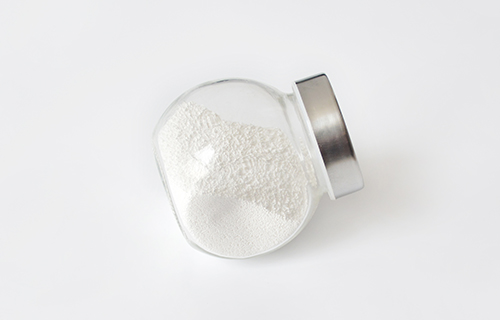
The Habier product image library includes bulk carton pallet packaging, aluminum foil pack bulk packaging, glass storage jars, sample jars, and conical sample bottles. These packaging options give buyers a starting point for discussing commercial supply, sample evaluation, and bulk export requirements.
Frequently Asked Questions
1. What certifications should food, cosmetic, and pharma grade sodium hyaluronate meet?
Pharma grade sodium hyaluronate must meet USP-NF, European Pharmacopoeia (EP), and JP standards, with endotoxin levels typically below 0.05 EU/mg. For manufacturer-level compliance, Shandong Habier Biopharma Co.,LTD holds ISO 22000, ISO 9001, Kosher, Halal, and COSMOS organic certifications for its hyaluronate products, and its qualification system includes dual ISO certification, HACCP, Kosher, Halal, organic COSMOS, and ISO 16128.
2. What production capabilities should a sodium hyaluronate manufacturer have?
A documented production environment for sodium hyaluronate includes low-temperature fermentation synthesis and aseptic cleanroom production for medical or injection-grade products, with 24/7 operation where required. Shandong Habier Biopharma Co.,LTD operates a 50,000-square-meter facility, employs approximately 123 staff, and has a research and development team of 6 engineers. Annual production capacity is 600–700 metric tons.
3. How much does food, cosmetic, or pharma grade sodium hyaluronate cost?
The available product data does not include a public price list. Sodium hyaluronate pricing depends on grade, molecular weight, order quantity, packaging, and compliance documentation. Buyers should request written quotes from manufacturers with a defined specification rather than relying on generic market estimates.
4. How can I request a sodium hyaluronate sample from Shandong Habier Biopharma Co.,LTD?
You can request a sample by emailing Jake Chen at Jake@habier.com or calling +86-186-0537-0487. The company address is 16F Building A Xingguangtiandi International Square, Qufu City, Shandong, China 273100. Include the intended grade, molecular weight, application, and target market so the team can match the specification.
5. How long does sodium hyaluronate delivery or lead time take?
Lead time is not published in the product specification. It depends on the grade, molecular weight, order volume, packaging, production schedule, and destination. To estimate lead time, send a formal inquiry or request a quote with your target specification, and the Shandong Habier Biopharma Co.,LTD team can confirm availability and delivery schedule.
Next step: request a sodium hyaluronate sample or quotation
Contact Jake Chen: Jake@habier.com | +86-186-0537-0487
Address: 16F Building A Xingguangtiandi International Square, Qufu City, Shandong China 273100
Website: www.habier.com
Download the company brochure: Habier Company Brochure (PDF)
Conclusion
Sodium hyaluronate is a defined raw material with multiple grades and molecular weights, each tied to a specific application setting. For first-time buyers, the practical next step is to confirm the application industry, shortlist a molecular weight range, verify compliance documents, and request a sample or quote. Shandong Habier Biopharma Co.,LTD provides a documented manufacturer profile with food, cosmetic, pharma, hydrolyzed, low molecule weight, high molecule weight, and regular grade options across a 600–700 metric ton annual capacity.
Have Questions or Need More Details?
Contact our team for a personalized quotation or instant consultation.
Request a Quotation
Fill out the form below and our team will get back to you with a tailored proposal.
WhatsApp Direct Chat
Prefer to chat in real-time? Message us on WhatsApp for instant assistance & quick answers.
- Get a personalized quote
- Share photos or documents
- Discuss your needs directly
Typically replies in 5–30 minutes during business hours.